

Growing curly hair longer is often about protecting the length you already gain, rather than trying to make your hair grow faster. Rough detangling, frequent heat styling, and everyday friction can weaken curly strands, causing them to break before you notice much progress.
Natural shrinkage can also make healthy curls appear shorter than they actually are. As your hair dries, it springs back into its natural curl pattern, hiding some of its length. Understanding the difference between shrinkage, breakage, and shedding can help you choose better hair care habits and avoid wasting money on products that promise unrealistic results.
Why Does Curly Hair Seem Like It Is Not Growing?
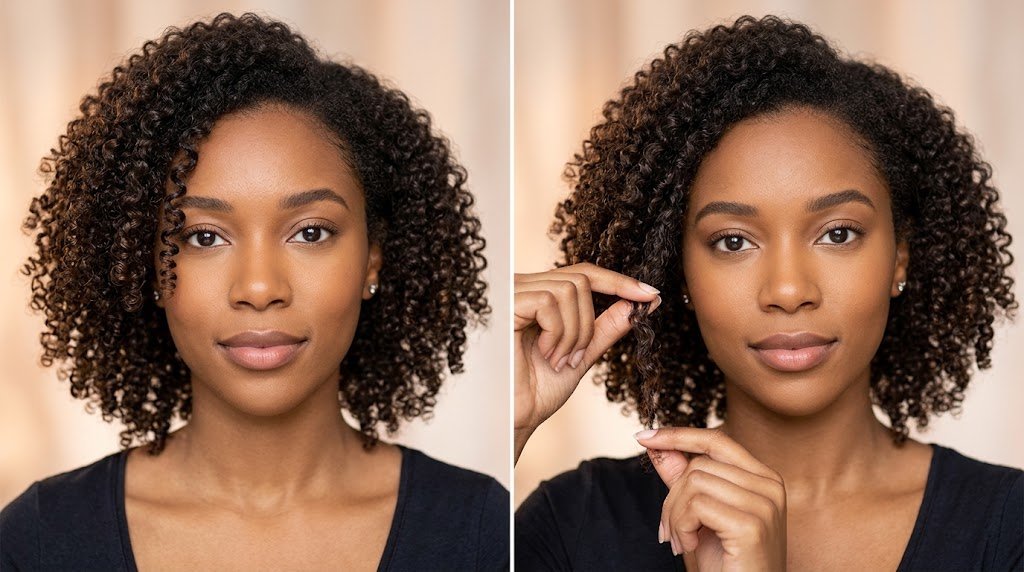
Curly hair may be growing normally even when its visible length barely changes. One common reason is shrinkage. For example, curls that reach your shoulders when wet may spring above them once dry. The strands haven’t become shorter; they’ve simply returned to their natural shape.
Breakage is another possibility. Unlike shrinkage, it involves actual damage to the hair shaft. Strands can snap at different points after repeated tangling, rough brushing, excessive heat, or tension. You might notice uneven ends, shorter pieces, or more tangles than usual, although these signs alone cannot confirm breakage.
Shedding is different from both. It happens when hairs naturally release from the scalp during the hair growth cycle. Some daily shedding is normal, but sudden increases or noticeable thinning may need professional attention.
| What You Notice | Possible Explanation | What to Check |
|---|---|---|
| Curls look shorter after drying | Natural curly hair shrinkage | Gently stretch the same curl to compare its visible and actual length |
| Ends appear thin, uneven, or shorter over time | Possible hair breakage or split ends | Look for frequent tangles, rough handling, or heat damage |
| More hair comes out during washing or detangling | Normal shedding or possible hair loss | Notice changes in shedding, overall density, and scalp condition |
To check whether your curly hair is gaining length, compare the same section every few weeks under similar conditions. Use a consistent, gently stretched measurement rather than judging growth by how your curls look on a particular day.
If you experience sudden excessive shedding, bald patches, or scalp pain, consult a dermatologist instead of treating the problem as ordinary breakage.
10 Ways to Reduce Curly Hair Breakage and Retain Length
If your curls are growing but the ends keep breaking, changing a few everyday habits may help you see more progress. The key is to reduce unnecessary damage while keeping your hair and scalp healthy. These ten curly hair growth tips focus on protecting existing strands rather than promising faster growth.
1. Wash Your Scalp According to Its Needs
A healthy curly hair washing routine starts with understanding your scalp. Sweat, natural oils, and styling products can build up around the roots, especially if you regularly use gels, creams, or oils.
When shampooing, concentrate on your scalp rather than rubbing the lengths together. Massage gently with your fingertips, then rinse thoroughly. If your hair is thick or tightly coiled, washing it in sections can make the process easier and reduce tangling.
There’s no ideal washing schedule for everyone. Hair texture, scalp oiliness, exercise, and product use all affect how often cleansing is needed. If your roots become greasy or feel coated, you may need to wash more frequently.
Persistent itching, redness, or flaking can have causes beyond product buildup. If these symptoms continue, consult a dermatologist instead of repeatedly changing shampoos.
2. Condition Your Curls to Reduce Dryness and Friction
Dry curly hair is often harder to detangle because strands can catch and pull against one another. Conditioning helps improve slip, making everyday handling easier and reducing avoidable friction.
After shampooing, apply a rinse-out conditioner through your curls, paying particular attention to the lengths and ends. Work it through gently before rinsing according to the product instructions.
Some formulas contain ingredients such as glycerin, which attracts moisture, or conditioning fatty alcohols like cetyl alcohol. However, the overall formula matters more than any single ingredient.
If your hair still feels rough after washing, a leave-in conditioner for curly hair may help with manageability. Start with a small amount and add more only if needed. Fine curls may respond better to a lightweight lotion or spray than a heavy cream.
Conditioning protects the hair you already have. It doesn’t increase the rate of growth at the scalp.
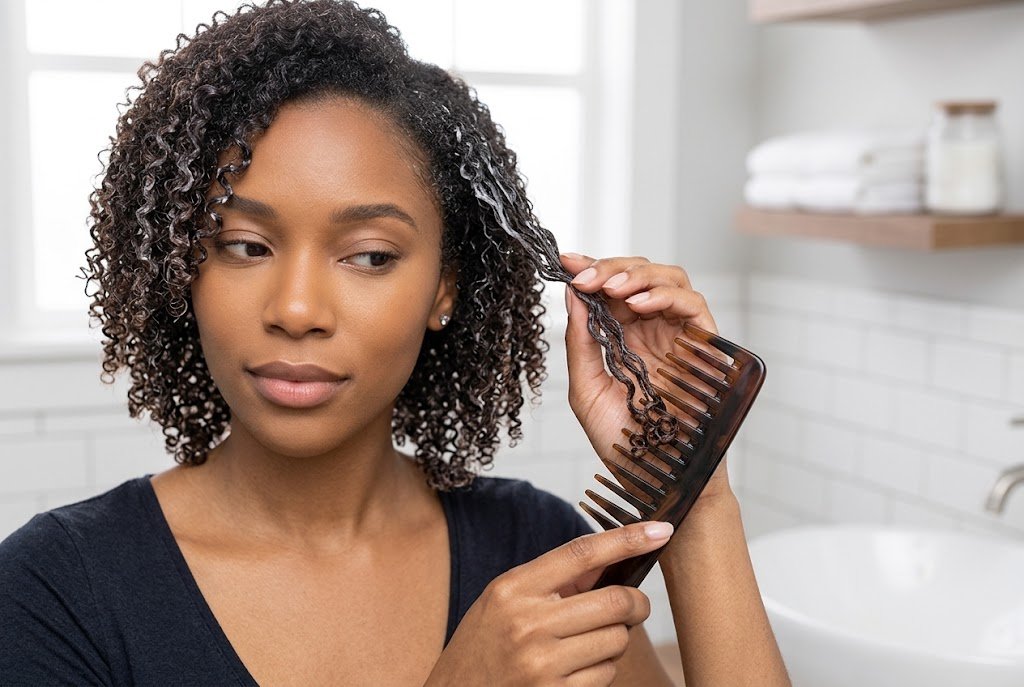
3. Detangle Gently, Starting at the Ends
Trying to pull a comb through tangled curls can cause strands to snap, particularly when knots have formed around the ends. A slower approach is usually more effective than using extra force.
For most curly and coily textures, detangle when the hair is thoroughly wet or damp and has enough conditioner to provide slip. Divide thick hair into manageable sections and begin near the ends, gradually working toward the roots.
If you encounter a tight knot, hold the section above it to reduce pulling on the scalp. Add a little water or conditioner, then use your fingers to separate a few strands at a time. Continue with a wide-tooth comb or a suitable detangling brush once the knot loosens.
Avoid forcing a brush through dry, tightly curled hair.
4. Dry Your Hair Without Rough Towel Friction
Rubbing wet curls with a towel may seem harmless, but rough handling can create tangles and place additional stress on the hair shaft.
After washing, gently squeeze out excess water with your hands. Then use a soft cotton T-shirt or microfiber towel to absorb moisture. Press the fabric against your hair instead of rubbing it back and forth.
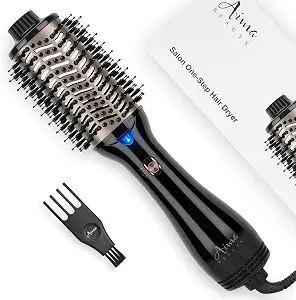
If you use a diffuser, choose low heat and gentle airflow. Move it carefully around your curls rather than repeatedly pulling or separating wet sections.
Air-drying is another option when practical. You don’t need to leave your hair dripping wet for hours to avoid heat damage. The aim is to dry it comfortably while minimizing friction and excessive heat.
5. Limit Heat and Chemical Damage
Regular exposure to high temperatures can weaken curly hair, especially when the same sections are repeatedly straightened or curled.
If you use a blow dryer, start with a lower heat setting and increase it only when necessary. Apply a heat protectant suitable for your hair and styling tool, following its instructions. Remember that heat protection can reduce some damage but cannot prevent it completely.
When using a flat iron, make sure your hair is dry and avoid repeatedly passing the tool over the same strands.
Chemical treatments also deserve attention. Bleaching, relaxing, and permanent coloring can leave hair more fragile, particularly when treatments overlap on previously processed lengths.
If your curls already feel brittle or break easily, consider postponing further chemical processing until a qualified stylist has assessed their condition.
6. Choose Protective Hairstyles Without Tight Tension
Protective hairstyles for curly hair can reduce the need for daily styling, but the amount of tension matters more than the name of the style.
Loose twists, braids, and low buns may help keep ends organized and reduce tangling. Choose styles that don’t pull tightly around the hairline or place constant pressure on the same sections.
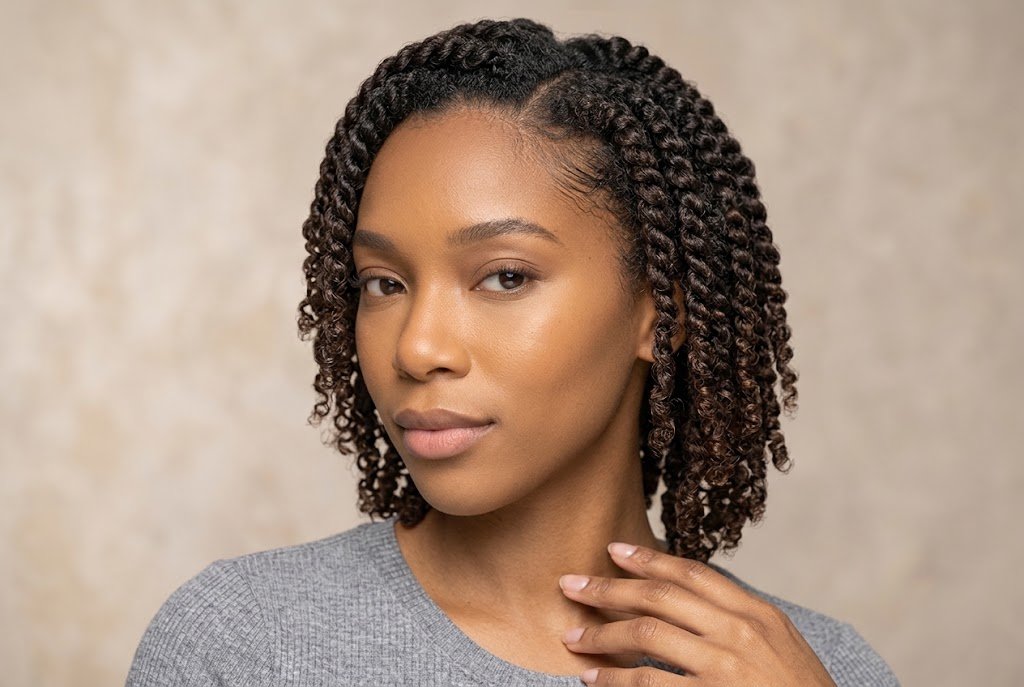
Pay attention to discomfort. Braids or extensions that cause pain, scalp bumps, or persistent pulling aren’t protecting your hair. Repeated tension can contribute to traction alopecia, a form of hair loss that may become permanent if ignored.
Changing hairstyles occasionally also helps avoid stressing the same areas.
For tighter curl patterns, our guide on how to care for long 4C hair provides more texture-specific care advice.

7. Protect Your Curls While Sleeping
If your curls become tangled overnight, you may spend more time pulling them apart the following morning. Reducing friction while sleeping can make your hair easier to manage.
A satin bonnet or smooth pillowcase may help reduce rubbing against bedding. Choose a comfortable fit that stays in place without pressing tightly around your hairline.
For longer curls, a loose pineapple hairstyle or braid can help keep strands together while you sleep. Use a soft hair tie and avoid wrapping it tightly.
You don’t need several nighttime products or an elaborate routine. If your curls are already comfortable and manageable, a simple low-friction setup may be enough.
These habits support length retention by making unnecessary tangling and handling easier to avoid, not by speeding up hair growth.
8. Reduce Snagging and Daily Hair Manipulation
Some hair breakage happens during ordinary activities rather than during a wash or styling session.
For example, curls near the back of your neck may repeatedly catch against rough collars, scarves, or bag straps. Metal hair clips and uncovered elastics can also snag strands when removed carelessly.
Notice where your hair tangles most often. If the same area develops knots every day, check what regularly touches or pulls against it.
Choose smooth hair accessories and loosen tight styles rather than constantly adjusting them. When removing a hair tie, unwind it carefully instead of dragging it through the ends.
You can still enjoy different hairstyles. The goal is to avoid repeated pulling and unnecessary restyling that makes fragile strands more likely to break.
9. Trim Damaged Ends When Necessary
Split ends are a common concern when growing curly hair longer. Once the hair shaft splits, conditioning products may temporarily smooth its appearance, but they cannot permanently reconnect the damaged strands.
If your ends frequently knot, catch against neighboring hairs, or show visible splitting, a small trim may improve manageability and remove damaged portions.
You don’t automatically need a haircut every six or eight weeks. Someone who regularly uses high heat or chemical treatments may notice damage sooner than someone whose ends remain in good condition.
Check your hair’s condition rather than following a strict trimming calendar. If you visit a stylist, explain that you’re trying to retain length and discuss how much hair actually needs removing.
Trimming doesn’t stimulate faster growth at the roots. Its purpose is to remove damaged ends and help you manage the remaining hair more gently.
10. Support Healthy Growth With Balanced Nutrition
Hair follicles need adequate nutrients to support normal growth. Not getting enough protein, iron, or certain other nutrients can contribute to hair loss, although the cause isn’t always related to diet.
You don’t need a special curly hair diet. Regular meals containing a variety of nutritious foods can help meet your body’s needs. Eggs, fish, beans, and lentils provide protein, while lentils and leafy greens contribute iron.
If you already eat enough protein and have normal iron levels, consuming more won’t necessarily make your hair grow faster.
Be cautious with products marketed as hair-growth supplements. Extra vitamins or minerals aren’t automatically beneficial, and excessive amounts of certain nutrients can be harmful.
If your hair is thinning unexpectedly or you’re shedding much more than usual, speak with a dermatologist. They can assess whether a nutritional deficiency or another condition may be involved.
For most people, consistent hair care and adequate nutrition offer a more sensible approach than chasing products that promise rapid results.
A Simple Weekly Routine for Longer, Healthier Curls
A healthy curly hair routine doesn’t need a complicated schedule. What matters is keeping your scalp comfortable, your curls manageable, and your ends protected without handling your hair more than necessary.
For example, if you normally wash your hair once a week, Sunday might be your wash day, followed by small touch-ups during the week. Here’s how to organize your routine:
| When | What to Do |
|---|---|
| Wash day, as needed | Cleanse your scalp, condition your hair, detangle in sections, and dry gently. |
| Between washes | Refresh flattened curls with a little water before reaching for more styling products. |
| Before bed | Use a comfortable satin bonnet, smooth pillowcase, or loose hairstyle to reduce tangling. |
| Every few weeks | Check your ends for splitting, recurring knots, or changes in manageability. |
If you exercise frequently or have an oily scalp, you may need to wash more often. Drier, tightly coiled hair may need a different schedule.
Keep your curly hair growth routine flexible. Adjust one habit at a time and pay attention to whether your hair becomes easier to manage. The aim is consistent length retention, not following a strict weekly calendar.
How to Track Curly Hair Growth Without Confusing Shrinkage
To see whether your curly hair is retaining length, compare the same small section under similar conditions. This helps you notice changes in length, although it cannot tell you exactly how fast your hair grows at the scalp.
Choose a reference section near the nape and photograph it in its natural, dry state. Keep your head position, lighting, and styling method consistent. If you want a measurement, gently stretch the same section alongside a ruler, using the same starting point each time. Never pull hard enough to strain the roots.
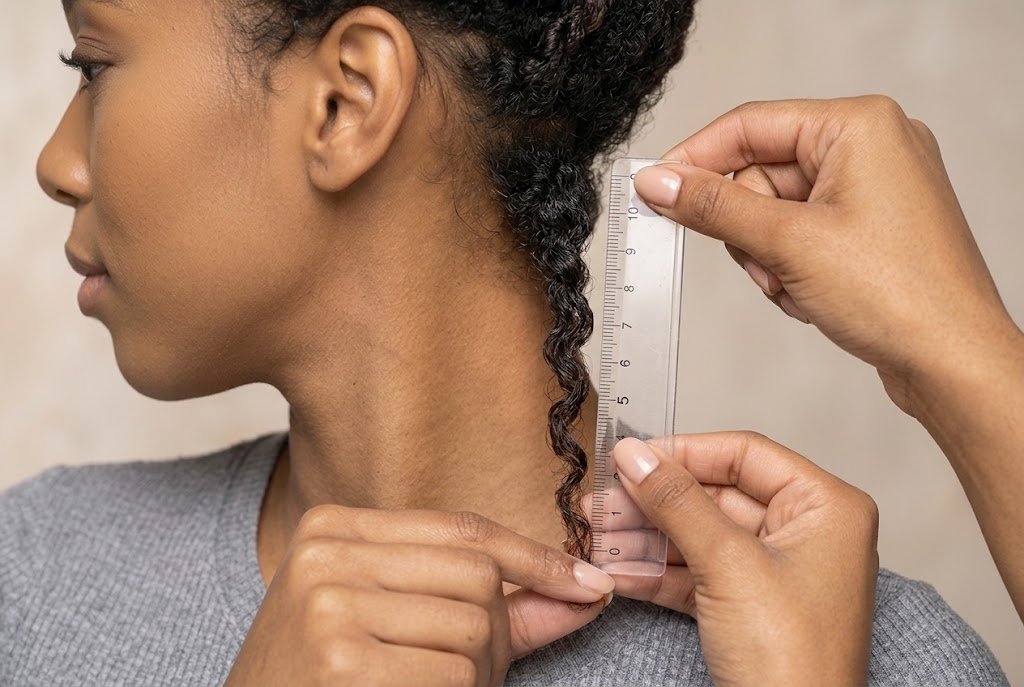
Repeat the comparison after approximately 8–12 weeks. This is a practical interval for observing gradual changes, not a required growth period. Record any trims or noticeable breakage that might affect your results.
For example, curls may appear shorter after a humid day or a different styling routine, even though the strands haven’t lost length. That’s why comparing only their natural appearance can be misleading.
Consistent measurements help you track retained length without mistaking normal curly hair shrinkage for a lack of growth.
When Should You See a Dermatologist for Curly Hair Breakage or Shedding?
Occasional broken strands aren’t always a cause for concern. However, sudden heavy shedding, rapidly thinning hair, a widening part, or bald patches shouldn’t be treated as ordinary styling damage.
Pay attention to your scalp, too. Persistent redness, burning, soreness, scaling, or inflammation, especially alongside hair loss, deserves professional assessment. These symptoms can have different causes, and switching shampoos or conditioners may not address the problem.
Frequently Asked Questions
Does Curly Hair Grow Slower Than Straight Hair?
No, having curly hair doesn’t automatically mean it grows more slowly. Growth rates vary from person to person, regardless of curl pattern. Because curly strands bend and coil, their full length is less visible than straight hair. Shrinkage can make healthy curls look shorter, even when they’re gaining length.
How Long Does It Take to Grow Curly Hair Longer?
Scalp hair grows about 1 centimeter (0.4 inch) per month on average, although individual rates vary. Over a year, that works out to roughly 4.7 inches of new growth. The length you actually retain depends on breakage, trims, and other factors.
For realistic expectations over several months, read our 1 year hair growth guide.
Why Does My Curly Hair Keep Breaking at the Ends?
The ends are the oldest part of your hair, so they’ve experienced more washing, detangling, heat, and everyday friction. This accumulated wear can make them more vulnerable to splitting and snapping.
If the same sections repeatedly develop knots or rough ends, check where your hair catches during daily activities. The detangling and damage-prevention tips above can help you identify habits worth changing.
Can Oils Make Curly Hair Grow Faster?
Hair oils may improve softness, shine, or manageability, depending on the formula and your hair type. Easier handling may help reduce avoidable breakage, but that doesn’t mean the oil increases growth at the follicle.
Castor oil, for example, hasn’t been proven to speed up hair growth. Treatments such as minoxidil have evidence for certain types of hair loss, but they’re different from ordinary conditioning oils and aren’t necessary for everyone.
How Can I Tell the Difference Between Hair Breakage and Shedding?
Hair breakage occurs when a strand snaps along its length. Shedding happens when a hair releases from the scalp as part of its natural growth cycle.
You may notice shorter broken pieces or longer shed hairs, but appearance alone isn’t a reliable diagnosis. Some shedding is normal. If the amount changes substantially or your hair becomes visibly thinner, consult a dermatologist.
Final Thoughts on Growing Curly Hair Longer
Growing curly hair longer isn’t only about new growth at the roots. Protecting your existing strands matters just as much. If your curls keep tangling, snapping, or developing damaged ends, review your daily handling habits before buying another growth product.
A routine that suits your hair and helps reduce breakage is worth maintaining.
For more texture-specific advice, explore our guide to caring for long 4C hair.