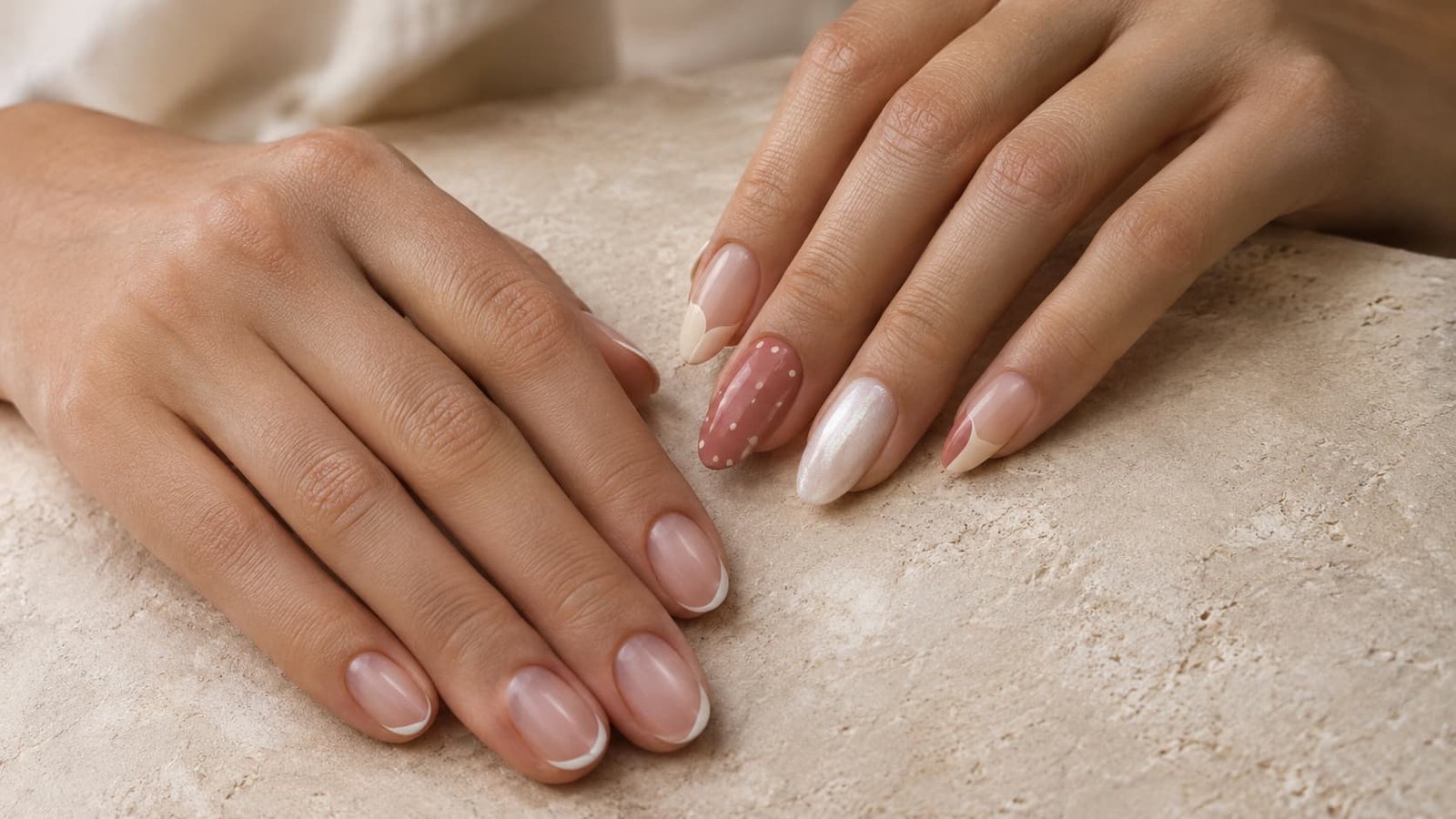


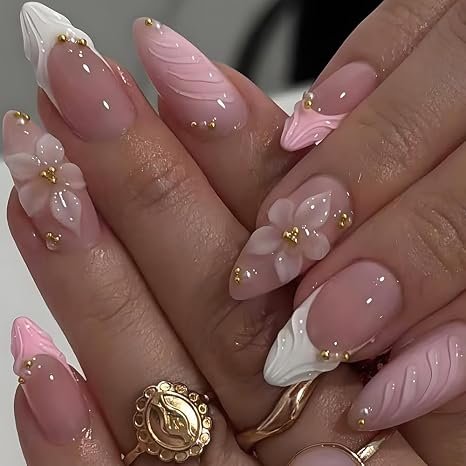
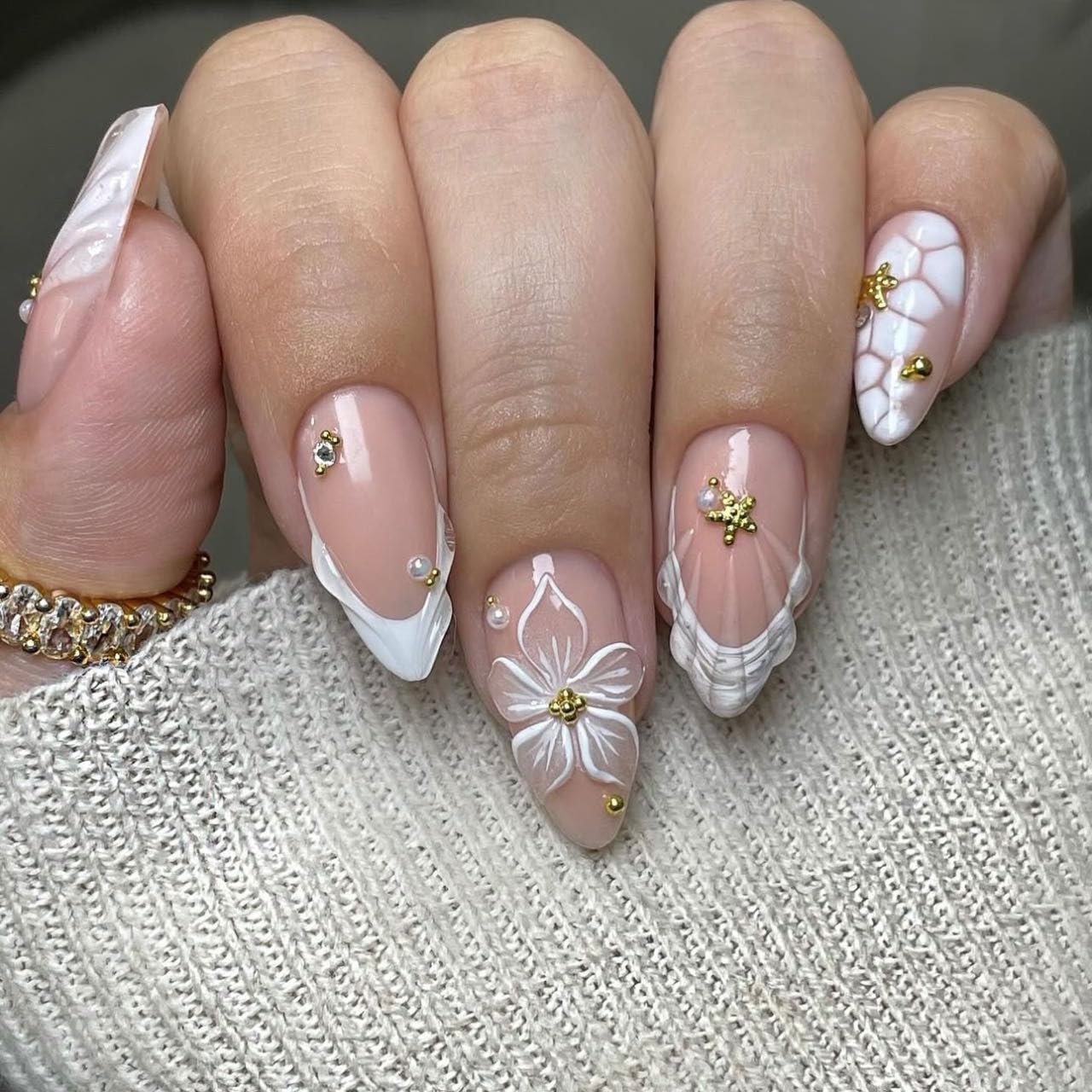
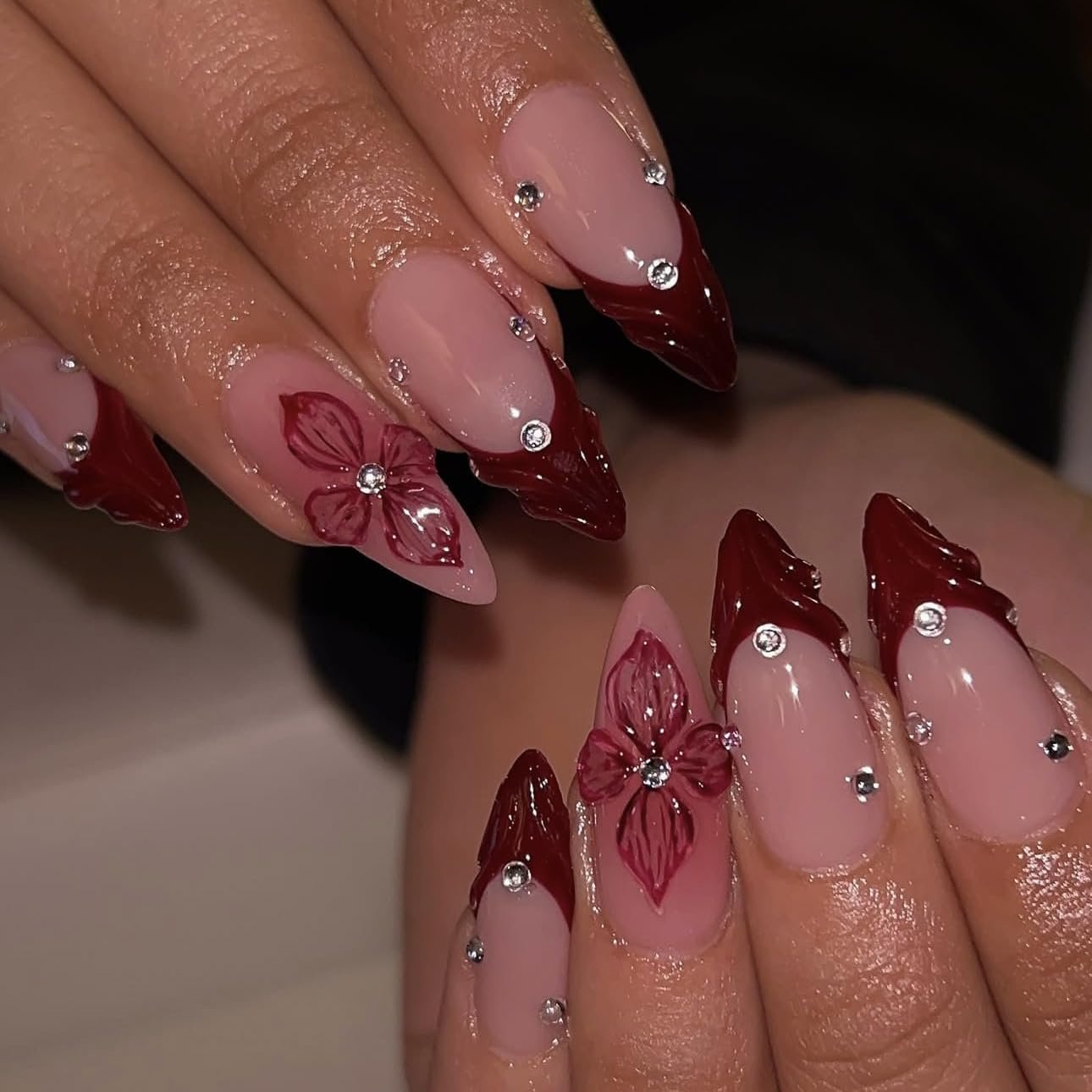
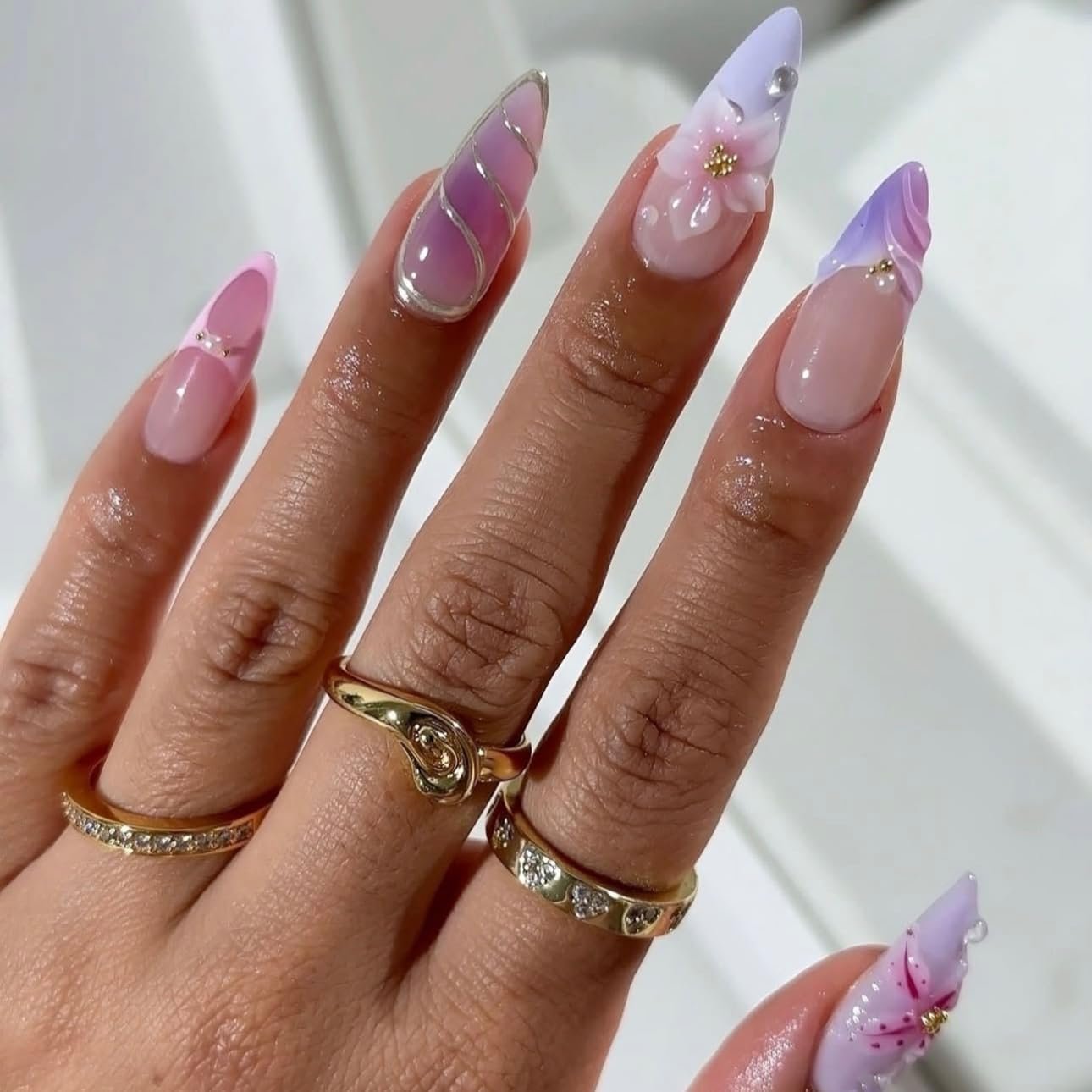
A beautiful manicure does not need complicated artwork or bold decorations to stand out. Sometimes, a soft color, a delicate line, or a small accent can give nails a clean and stylish appearance. If you enjoy understated nail art, trendy simple nail designs offer plenty of inspiration without making every nail look overly decorated.
From sheer nude manicures to playful pastel patterns, simple nail designs can suit different nail lengths, shapes, and personal styles. Some feature subtle details on a single nail, while others use contrasting colors or finishes to create visual interest.
Whether you prefer short natural nails or longer almond shapes, these 20 ideas explore different ways to combine colors, patterns, and finishes for a polished-looking manicure.
What Makes a Nail Design Simple and Stylish?
A simple nail design usually focuses on a limited number of colors, small decorative details, and balanced placement. Instead of filling every nail with artwork, minimalist styles often leave part of the base color visible.
For example, a sheer pink manicure with a thin white line can create a softer appearance than a design covered in several patterns. Similarly, one accent nail may add enough contrast to make an otherwise plain manicure more interesting.
Nail length, shape, and finish also influence the final look. Short rounded nails can give a manicure a compact appearance, while tapered almond shapes may create a visually elongated effect on some hands.
Glossy finishes reflect light, matte finishes create a less reflective surface, and pearlescent effects introduce a soft shimmer.
The most suitable design depends on your preferred colors, natural nail shape, daily activities, and the amount of detail you want.
20 Trendy Simple Nail Designs to Inspire Your Next Manicure
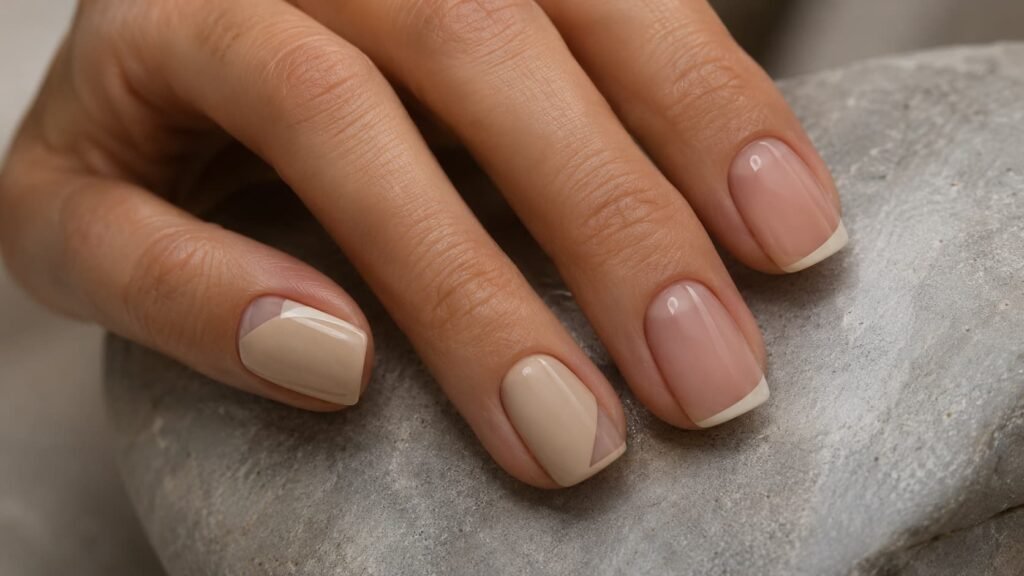
The following manicure ideas combine different color palettes, decorative details, and finishes. Each design offers a distinct visual approach, from barely noticeable accents to more colorful but balanced patterns.
1. Sheer Nude Nails With Asymmetrical Micro French Tips
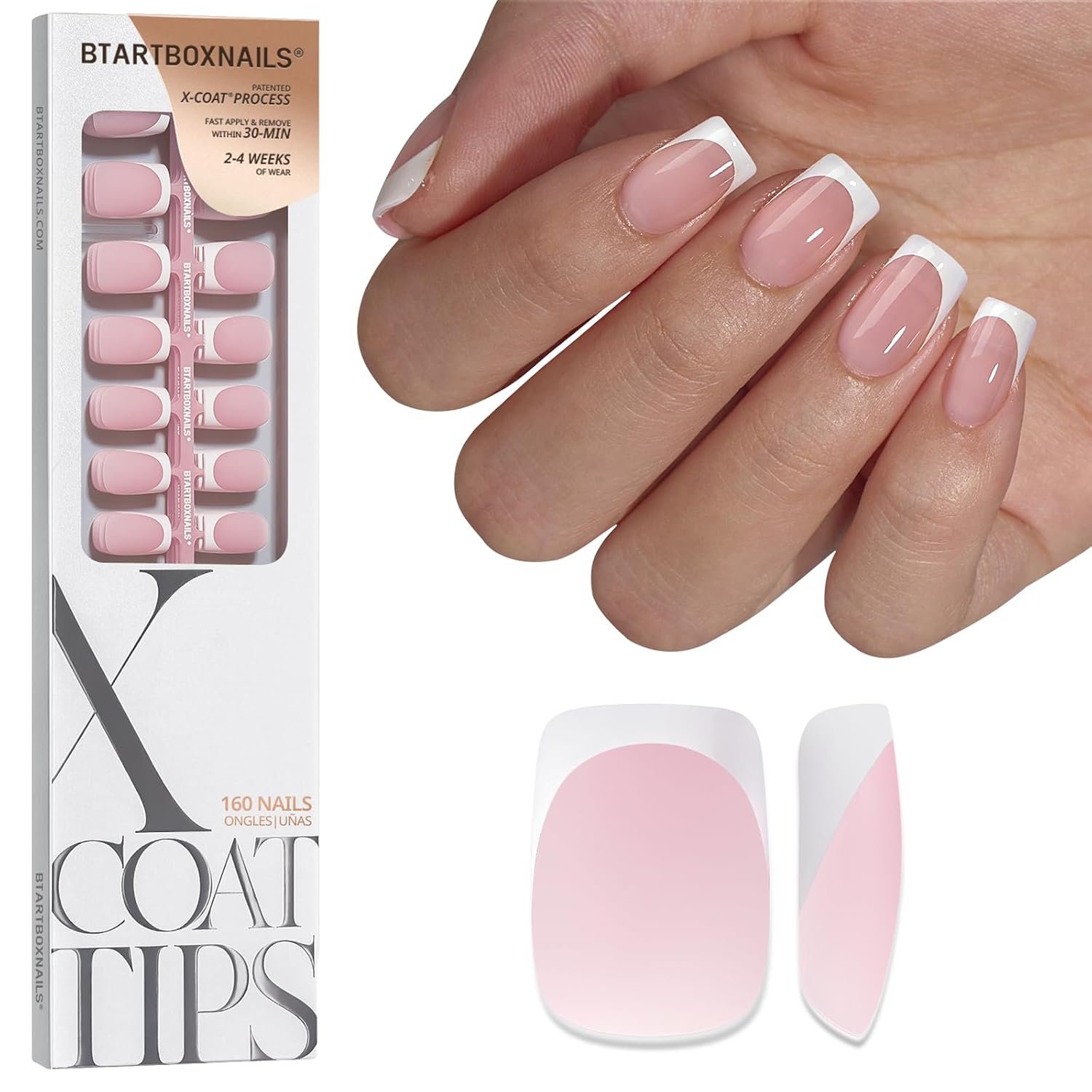
Sheer nude nails with asymmetrical micro French tips combine a natural-looking base with delicate lines along the nail edges. Unlike traditional French manicures, where the tips follow a balanced curve, this variation places a thin line slightly toward one side.
A translucent beige or pale pink base allows the natural nail color to remain partially visible. The tips can be white, cream, or another subtle shade that contrasts gently with the background.
The asymmetrical placement adds a geometric detail without covering much of the nail surface.
This design may suit short squoval nails or medium almond nails. On shorter nails, keeping the tip lines narrow can help preserve the minimalist appearance.
2. Milky Pink Nails With Minimal Gold Foil Accents
Milky pink nails have a soft, translucent appearance that provides a gentle background for metallic decoration. Adding small pieces of gold foil introduces a reflective detail without requiring complicated artwork.
Rather than placing foil across the entire nail, the accents can be positioned near the cuticle or along one side.
For example, two nails might feature tiny gold fragments while the remaining nails stay plain pink. This arrangement creates contrast between the smooth base and irregular metallic shapes.
The combination can create an elegant appearance on oval, almond, or softly squared nails.
A glossy finish emphasizes the reflective foil, while a less shiny finish may give the pink base a more muted appearance.
3. Soft Beige Nails With Negative-Space Corners
Negative-space nail art incorporates sections of the nail that remain uncolored or covered only with a clear finish. When paired with soft beige polish, this technique creates an understated geometric design.
One possible arrangement features beige polish across most of the nail, leaving a small triangular section near one corner transparent.
The uncolored area creates contrast without introducing another strong color.
For a coordinated manicure, the transparent corners can appear in different positions on alternating nails. Keeping the shapes small and the edges clean helps maintain a balanced appearance.
This style can work with square and squoval nails, where the straight edges complement the geometric details.
4. Pastel Color-Block Nails With Clean Geometric Edges
Pastel color blocking uses two or more soft shades in clearly separated sections. Instead of blending colors together, the design creates visible boundaries between them.
A combination of lavender, pale blue, and butter yellow can give the nails a light, colorful appearance.
For example, one nail may feature a lavender section beside a pale yellow section, while another combines blue and soft pink.
Straight diagonal lines or small rectangular areas can help keep the artwork visually organized.
To avoid a crowded look, use only two colors on each nail and repeat a limited palette across the manicure.
This design offers more color than a traditional nude manicure while maintaining a simple overall style.
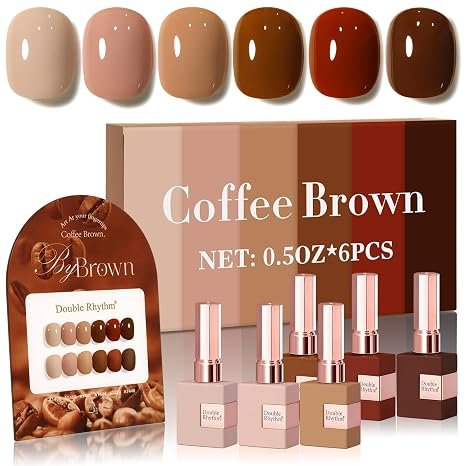
5. Chocolate Brown Nails With Matte and Glossy Contrast
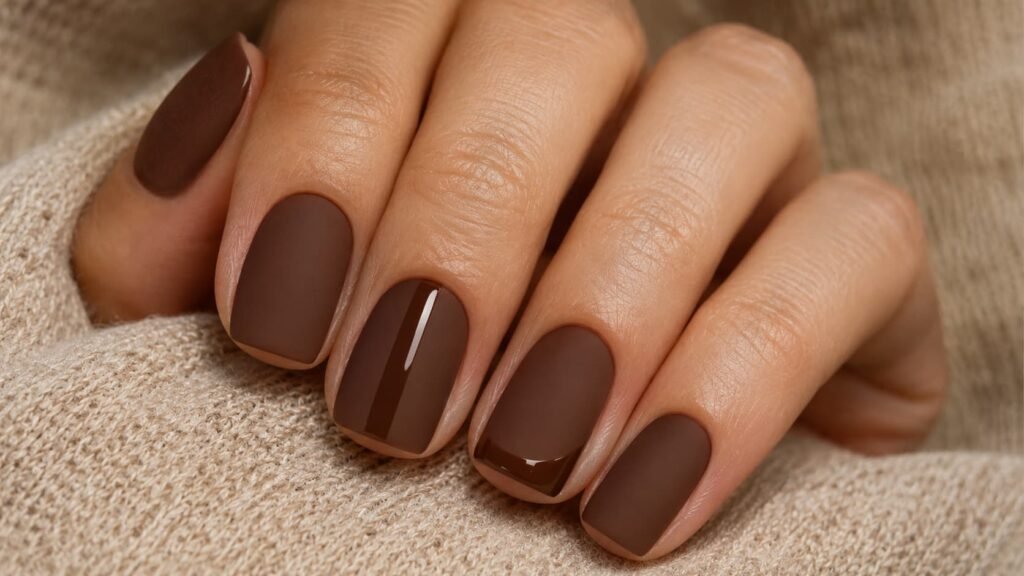
Chocolate brown nails can create a rich, understated manicure, particularly when paired with a combination of matte and glossy finishes.
Instead of adding another color, this design uses differences in surface appearance to create contrast.
For example, a matte chocolate brown base can feature a narrow glossy stripe down the center of an accent nail. Another option is to use glossy brown French tips over a matte brown background.
Because the colors remain similar, the details may appear subtle in softer lighting and become more noticeable when light reflects from the glossy sections.
Short square nails and medium almond nails can both complement this style.
The finished appearance will depend on the chosen brown shade, lighting, and finish.
6. Short Oval Nails With Tiny White Daisy Accents
Tiny white daisies can bring a delicate floral detail to short oval nails without covering the entire manicure in artwork.
A sheer peach, pale pink, or light beige base creates a gentle background for the flowers.
Instead of placing multiple daisies on every finger, consider adding one small flower near the outer edge of two accent nails.
Each daisy can feature several short white petals and a small yellow center. The remaining nails can stay plain to keep the flowers visually distinct.
The rounded outline of oval nails complements the soft shape of the petals.
This design may appeal to readers who enjoy floral nail art but prefer smaller, less detailed patterns.
7. Lavender Nails With Delicate Silver Star Details
Lavender polish provides a soft purple background that can be paired with small silver stars.
The contrast between the pastel color and metallic accents creates a playful appearance while keeping the overall design relatively simple.
One arrangement features lavender polish on every nail, with a single miniature silver star placed near the cuticle of each ring fingernail.
Another option is to use one star on two alternating nails, leaving the other nails undecorated.
The stars can appear as small decals or carefully painted shapes.
A glossy lavender finish may make the silver accents more noticeable, while a muted finish can create a softer contrast.
This design can complement short rounded nails and medium-length almond shapes.
8. Sage Green Nails With Minimal White Leaf Art
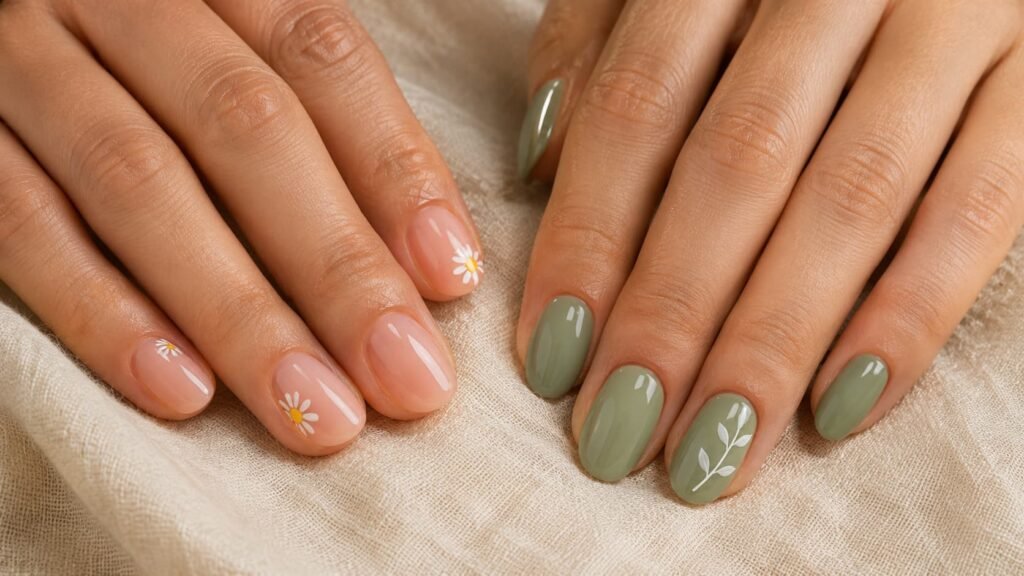
Sage green is a muted color with a soft, earthy appearance. It can provide a calm background for delicate botanical artwork.
A thin white leaf design along one side of an accent nail adds a nature-inspired detail without overwhelming the manicure.
For a minimalist arrangement, the leaf pattern might include a slender curved stem and only two or three small leaves.
The remaining nails can be painted solid sage green, allowing the accent design to become the main feature.
A cream-colored alternative to bright white may create an even softer contrast.
This combination can work with oval, squoval, or almond nails, depending on the preferred appearance.
9. Glossy Peach Nails With Subtle Half-Moon Details
Half-moon nail designs focus on the curved area near the base of the nail. Instead of decorating the tip, this manicure uses a small semicircular shape close to the cuticle.
A warm peach polish can form the main background, while a narrow cream-colored or transparent half-moon provides contrast.
The curved detail can follow the natural outline near the base of each nail.
For a simpler variation, add half-moons to only two accent nails and leave the remaining nails solid peach.
A glossy finish can emphasize the smooth color and curved design.
This style may suit shorter oval and rounded nails, although the appearance can vary depending on the nail’s natural proportions.
10. Black and Nude Nails With Thin Diagonal Lines
Black and nude nail art creates a noticeable contrast using only two colors.
A translucent nude base keeps the manicure visually light, while thin black diagonal lines introduce a sharper geometric element.
Rather than drawing several overlapping lines, one narrow diagonal line can cross each accent nail from a lower corner toward the opposite side.
The direction may alternate between fingers to create subtle variety.
For a more restrained look, leave most nails plain nude and add black lines to only one or two fingers.
This design can complement square and almond shapes. The straight black details may appear especially defined against a smooth, neutral background.
11. Soft Pink Nails With Miniature Red Heart Accents
Soft pink nails with tiny red hearts combine a gentle base color with a small, colorful decorative element.
A sheer pink or light blush polish creates a subtle background, allowing the red hearts to stand out.
One possible arrangement features a miniature heart near the tip of an accent nail, while the other nails remain plain pink.
For a slightly different appearance, the heart can be positioned close to the cuticle or toward one side.
Keeping the hearts small can help preserve the clean look, particularly on shorter nails.
The combination can create a sweet, playful style without requiring detailed artwork on every finger.
12. Taupe Nails With Abstract Single-Line Artwork
Taupe nails offer a soft balance between gray and brown, making them an interesting option for minimalist nail art. Adding a single abstract line can introduce a small artistic detail while keeping the design understated.
A muted taupe base can be paired with a thin cream or dark brown line that curves gently across one or two nails. The line does not need to form a recognizable shape. A loose wave, small loop, or irregular curve can create an abstract appearance.
For a balanced look, keep the remaining nails plain taupe. This allows the artwork to stand out without making the manicure feel crowded.
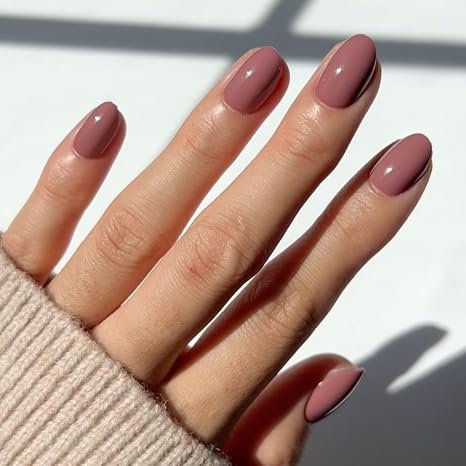
The design may suit short oval or medium squoval nails. A matte finish can create a softer appearance, while a glossy finish may make the contrasting line more noticeable.
13. Pale Blue Nails With Tiny White Cloud Accents
Pale blue nails with miniature cloud details create a light, playful manicure inspired by the sky. The soft background color helps the small white shapes remain visible without requiring complicated patterns.
A powder blue or pastel sky-blue base works well for this design. One tiny white cloud can be positioned toward the upper corner of an accent nail, leaving plenty of blue space around it.
The cloud can have a rounded outline with two or three soft curves. Keeping the shape small helps maintain the simple appearance.
For a more coordinated style, use cloud accents on two nails and leave the others solid blue.
This idea may appeal to readers who enjoy cute nail art but prefer designs with limited decorative details.
14. Neutral Nails With Modern Side French Tips
Side French tips offer an alternative to the traditional French manicure. Instead of placing the colored tip across the free edge, this design follows one side of the nail.
A sheer nude or beige base provides a subtle background for a narrow white, brown, or muted pink line.
The colored section can begin near one side of the tip and curve along the nail’s edge. This creates an asymmetrical detail that follows part of the nail’s outline.
For a minimalist look, keep the side tip narrow and use the same color across all fingers.
This design can complement almond and oval nails, although the placement may need adjusting depending on nail width and length.
15. Burgundy Nails With Minimal Negative-Space Curves
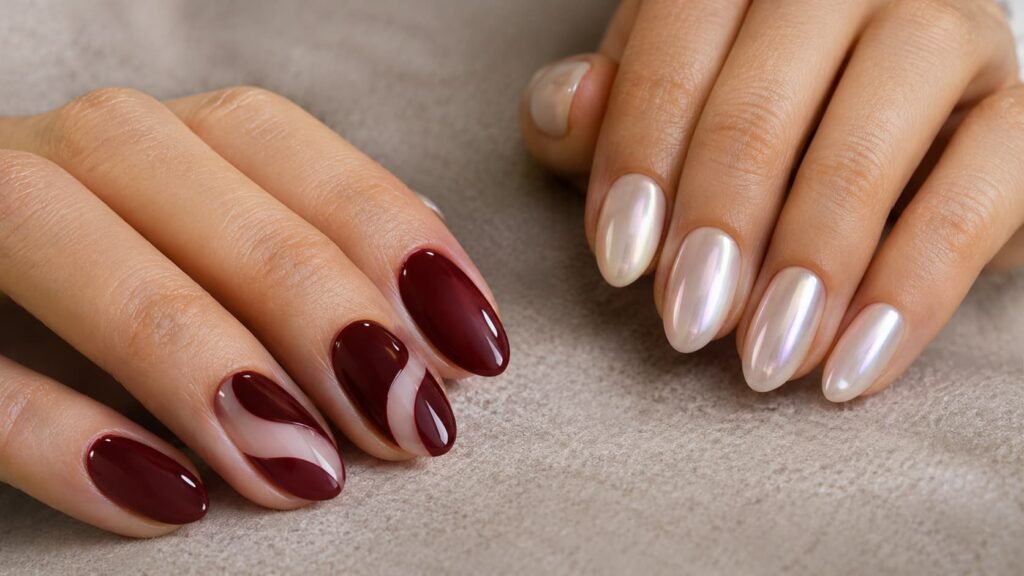
Burgundy nails can create a rich, dramatic appearance without detailed artwork. Adding a small negative-space curve introduces contrast while keeping the overall design simple.
The manicure can feature deep burgundy polish across most of each nail, leaving a narrow curved section transparent.
One possible arrangement places the clear curve diagonally near the lower side of an accent nail. Another uses a small curved opening closer to the tip.
The contrast between the deep color and transparent space becomes the main visual feature.
This style may work well with medium-length oval or almond nails, where there is room to display the curved detail.
A glossy finish can emphasize the depth of the burgundy shade, while a matte finish creates a more muted appearance.
16. Pearlescent White Nails With a Subtle Chrome Finish
Pearlescent white nails combine a light base color with a soft reflective effect. Unlike plain white polish, a pearlescent finish can show delicate shifts in brightness as the nails move under different lighting.
A milky white base with a subtle chrome effect creates a smooth-looking manicure without additional painted patterns.
The reflective finish becomes the main decorative element, so extra artwork is not necessary.
For a softer look, choose a restrained pearl effect rather than a highly reflective metallic appearance.
This design can complement short rounded nails, medium almond nails, and longer oval shapes.
The final appearance may vary depending on the base shade, reflective finish, and surrounding light.
17. Dusty Rose Nails With Simple Polka Dot Patterns
Dusty rose is a muted pink shade that can create a gentle background for small decorative patterns.
Adding evenly spaced dots introduces a playful detail without using complex artwork.
For example, a dusty rose base can feature tiny cream-colored dots arranged in a vertical line down the center of an accent nail.
Another option is to place three or four small dots near one side, leaving the rest of the nail undecorated.
The dot size and spacing can change the overall appearance. Smaller dots create a subtle pattern, while larger dots may become more noticeable.
This design may suit short square or oval nails. A glossy finish can give the soft pink color a smooth appearance.
18. Two-Tone Almond Nails With Soft Curved Color Blocking
Two-tone almond nails use two coordinating colors to create a design with clear but gentle contrast.
Instead of dividing the nail with a straight line, this variation features a smooth curved boundary between the colors.
A combination of warm beige and muted caramel can create a neutral appearance. Soft pink and lavender offer a more colorful alternative.
One shade can cover most of the nail, while the second follows a curved section along the tip or side.
The tapered outline of almond nails provides space for the color-blocking pattern to follow the nail’s shape.
For a coordinated manicure, repeat the same curved placement across all nails or alternate its direction between fingers.
19. Clear Base Nails With Tiny Cherry Accents
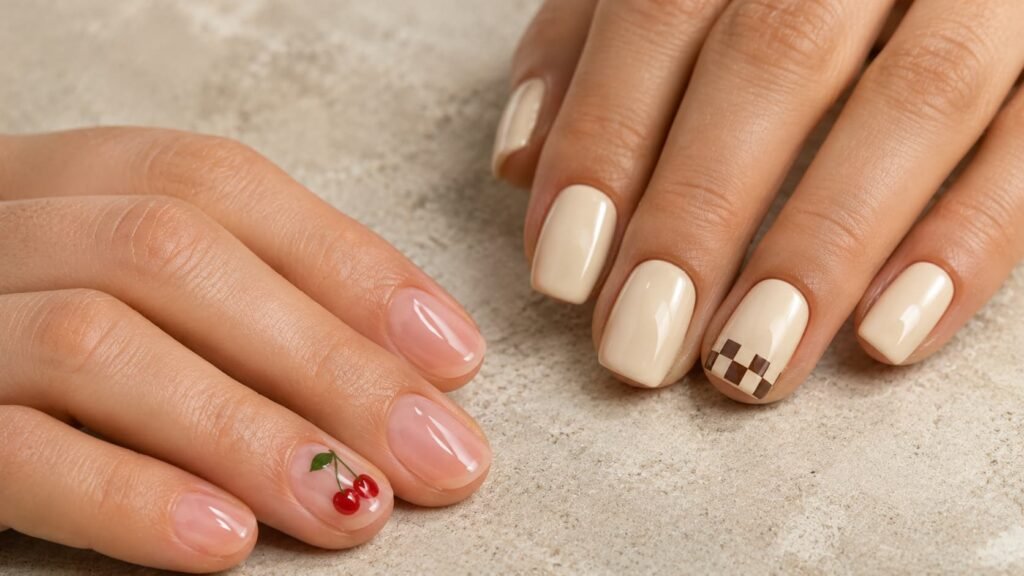
Clear base nails with miniature cherry artwork offer a playful way to decorate natural-looking nails.
A transparent or barely tinted base allows the small fruit details to become the main feature.
One tiny cherry pair can be placed near the outer corner of an accent nail. The design may include two small red circles connected by thin green stems.
Keeping the cherries small helps preserve the open appearance of the clear background.
For a balanced manicure, add cherry artwork to one or two nails while leaving the remaining fingers undecorated.
This design may suit short rounded or oval nails, especially when the artwork is kept within a small area.
The contrast between the clear base and bright red details creates a noticeable accent without covering the entire nail.
20. Cream Nails With Minimalist Checker board Accent Art
Cream-colored nails provide a soft neutral background for a small checkerboard pattern.
Instead of covering every nail with squares, this design places the pattern on one accent nail while the others remain solid cream.
A miniature checkerboard section can appear near the tip or along one side of the nail. Using cream and muted brown squares creates gentle contrast, while black and cream produce a stronger geometric look.
The squares should be clearly defined so the pattern remains recognizable.
For shorter nails, a small checkerboard strip may look less crowded than covering the entire surface.
This design combines a classic geometric pattern with a restrained color palette, creating an interesting finish without requiring several different decorative elements.
How to Choose a Simple Nail Design for Your Nail Length
Nail length can influence how much space is available for colors, patterns, and decorative details. A design that appears balanced on longer nails may need smaller accents when adapted to shorter lengths.
Choosing a design based on your nail length can help you visualize how the artwork might fit.
Simple Designs for Short Natural Nails
Short natural nails can look stylish with small patterns, soft colors, and delicate accents.
Micro French tips, tiny dots, miniature hearts, and single-line artwork are possible options because they can be arranged within a limited nail surface.
Solid colors such as milky pink, lavender, sage green, and taupe can also create a clean appearance without additional decoration.
If you prefer detailed artwork, consider placing one small design on an accent nail instead of using several patterns across every finger.
Rounded and squoval shapes may provide a useful visual starting point, depending on the natural nail outline and preferred shape.
Minimal Nail Art for Medium-Length Nails
Medium-length nails offer additional space for small decorative patterns without requiring a long nail shape.
Curved color blocking, side French tips, negative-space details, and small floral designs can all be adapted to this length.
For example, a medium oval nail may provide enough room for a thin diagonal line or a small botanical accent while leaving part of the base color visible.
A combination of solid-color nails and selected accent designs can create a balanced manicure.
The amount of artwork depends on your preferred level of detail rather than nail length alone.
Clean Designs for Long Almond and Square Nails
Longer nails provide more visible surface area, which can accommodate larger patterns and more noticeable color placement.
Almond nails have tapered sides and softly pointed tips. Their shape may complement curved French tips, flowing lines, and soft color-blocking patterns.
Square nails have straighter sides and flatter tips. These features can provide a defined outline for checkerboard accents, geometric details, and straight color divisions.
Long nails do not need elaborate artwork to look decorative.
A sheer base with a single metallic line or a narrow colored tip can create a restrained appearance while allowing the nail shape to remain noticeable.
How Nail Colors and Finishes Change the Overall Look
Color and finish are important parts of a manicure’s visual appearance. Two designs with similar patterns can look noticeably different when the base shade or surface finish changes.
A neutral color may create a quieter look, while a deeper shade can introduce stronger contrast. Similarly, a glossy finish reflects more light than a matte finish.
Understanding these differences can help you choose a style that matches your preferences.
Sheer and Neutral Colors for a Soft Appearance
Sheer pink, nude beige, milky white, and soft taupe are useful colors for creating understated manicures.
Sheer polish allows some of the underlying nail color to remain visible, while opaque neutral polish creates more consistent coverage.
For example, a translucent pink base with a tiny white accent can create a delicate appearance. An opaque beige manicure may offer a more uniform background for geometric details.
The final color can vary depending on the polish coverage, natural nail color, and lighting.
If you prefer minimal decoration, a neutral shade can also be worn without additional patterns.
Pastel and Deep Colors for Different Visual Styles
Pastel shades such as lavender, pale blue, peach, and sage green can introduce color without creating the same strong contrast as highly saturated shades.
They can be paired with tiny flowers, geometric accents, or simple color-blocking patterns.
Deeper colors such as burgundy, chocolate brown, and black create a different visual effect.
For example, a thin cream line may stand out more clearly against a dark brown base than against pale beige.
Both light and deep colors can work with minimalist nail art. The main difference comes from the level of contrast and the overall color combination.
Glossy, Matte, and Pearlescent Finishes
The finish of a manicure can change how the same color appears.
Glossy nails have a reflective surface that can make colors and decorative details appear more noticeable under light.
Matte nails have a less reflective appearance. This finish can give deeper colors, such as chocolate brown or burgundy, a softer visual character.
Pearlescent nails show a gentle shimmer or light-reflecting effect. They may appear different as the viewing angle or lighting changes.
Combining finishes can also create subtle nail art. For example, a matte base with a narrow glossy stripe adds contrast without requiring an additional color.
The final appearance depends on the products and finishes chosen.
What to Consider Before Choosing a Simple Nail Design
A simple manicure can include many different styles, so choosing one is largely a matter of personal preference.
Start by considering how much color you want. If you prefer a subtle appearance, sheer pink, cream, or beige may be suitable options. If you enjoy stronger contrast, consider burgundy, black, or chocolate brown with small decorative details.
Nail length is another consideration. A tiny flower or dot may be easy to see on a short nail, while a detailed checkerboard pattern may need more space to remain visually clear.
The placement of artwork also matters. A single accent nail can create a different overall impression from a design repeated across every finger.
Think about your preferred nail shape and finish as well. Rounded nails may create a softer outline, while square shapes provide straighter edges. Glossy, matte, and pearlescent finishes can each change the way a chosen color looks.
Finally, consider your daily activities and how much decorative detail you prefer. Flat painted patterns may appeal to people who favor a simpler surface over raised decorations.
There is no single design that suits everyone. The final choice can depend on your natural nail shape, personal style, and the appearance you want to achieve.
Frequently Asked Questions
What Are Some Easy Trendy Simple Nail Designs for Beginners?
Solid-color nails, miniature dots, tiny hearts, and simple accent decals are approachable options for beginners.
These designs use relatively few decorative elements. A plain nude manicure with one small white dot or a tiny heart on an accent nail can create an attractive appearance without detailed artwork.
The difficulty may vary depending on the design, tools, and application method.
Which Simple Nail Designs May Suit Short Nails?
Short nails can work well with micro French tips, small floral accents, soft pastel colors, and minimalist geometric lines.
Designs that use limited space may be easier to adapt visually to shorter nails.
For example, a thin diagonal line or one tiny flower can add detail while leaving most of the base color visible.
The final look may depend on the natural nail shape and preferred design placement.
How Can You Make a Plain Manicure Look More Stylish?
A plain manicure can be changed by adding a small decorative detail or choosing a different finish.
Possible options include a thin metallic line, miniature dots, a subtle French tip, or a single accent nail.
You can also experiment with matte and glossy finishes to create contrast without adding another color.
For a minimalist appearance, consider choosing one decorative feature instead of combining several patterns.
What Nail Colors Create a Clean and Minimal Look?
Sheer pink, milky white, nude beige, soft peach, taupe, and muted lavender can create a clean-looking manicure.
These shades can be worn alone or combined with small decorative accents.
However, dark colors can also create minimalist designs. A glossy burgundy or chocolate brown manicure with no additional artwork may look just as simple as a pale neutral style.
The overall appearance depends on color placement, finish, nail shape, and personal preference.
Can Simple Nail Designs Work on Natural Nails?
Yes. Many simple designs can be adapted to natural nails without requiring extensions.
Tiny dots, narrow French tips, solid colors, and small accent patterns can be arranged on short or medium-length natural nails.
Some detailed patterns may need to be simplified when there is less visible nail space.
Choosing smaller decorative elements can help maintain a balanced appearance.
What Is the Difference Between Minimalist and Detailed Nail Art?
Minimalist nail art usually focuses on a limited number of colors, small patterns, and open areas of the nail.
Examples include a single curved line, miniature dots, or a delicate French tip.
Detailed nail art may feature larger illustrations, multiple patterns, layered colors, or several decorative elements on the same nail.
Neither approach is automatically better. Minimalist designs may appeal to people who prefer an understated appearance, while detailed artwork offers more room for decorative expression.
Final Thoughts
Trendy simple nail designs offer many ways to create a stylish manicure without relying on complicated patterns or heavy decoration.
From soft taupe nails with abstract lines to pearlescent white finishes and playful cherry accents, each design creates a different visual impression through its colors, placement, or finish.
Short natural nails can feature delicate details, while medium and longer nails provide additional space for color blocking, geometric patterns, and curved accents.
The most suitable option depends on your preferred nail length, shape, colors, and overall style.
Whether you enjoy neutral shades or playful artwork, a simple manicure can still express personality through carefully chosen details.