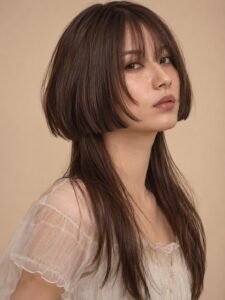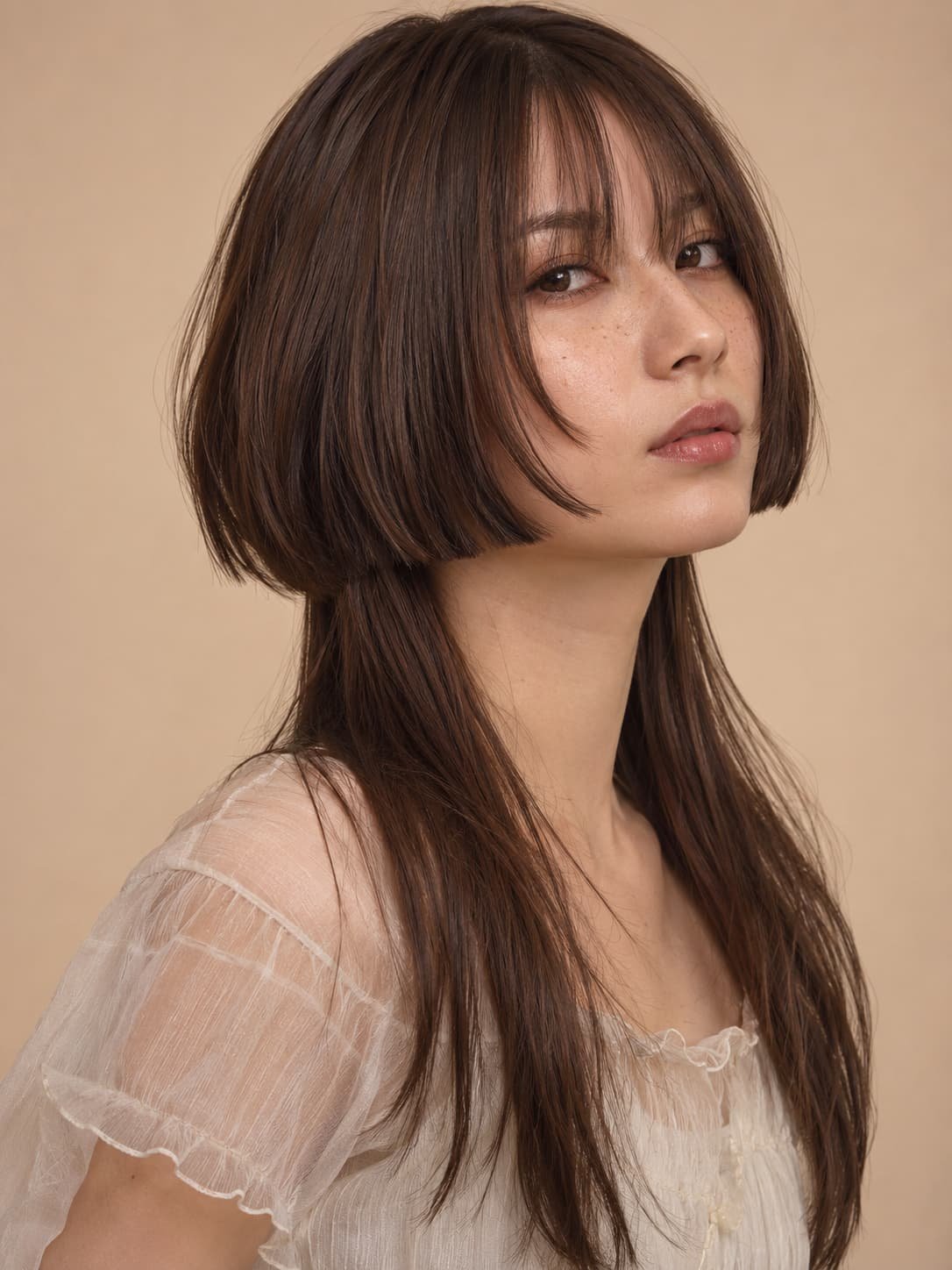

The jellyfish cut is a hairstyle that combines short, rounded hair on top with longer strands underneath. Its unusual shape creates a noticeable difference between the two lengths, giving the haircut a distinctive appearance.
Unlike traditional layered haircuts, where shorter and longer sections usually blend together, the jellyfish cut keeps them more separate. The upper section often resembles a short bob, while the lower section falls toward the shoulders or beyond.
This haircut can be adapted to different hair lengths and textures. Some versions have sharp, defined edges, while others feature softer layers and a more relaxed finish. Understanding how the haircut is shaped can help you decide which variation may suit your hair and styling preferences.
What Is a Jellyfish Cut?
A jellyfish cut is a two-level hairstyle with a shorter upper section and a longer lower section. The top layer typically sits around the ears, jawline, or chin, creating a rounded shape similar to a bob haircut. The hair underneath remains longer, forming a visible contrast.
The hairstyle gets its name from its resemblance to a jellyfish. The rounded upper section represents the jellyfish’s bell, while the longer strands underneath resemble its trailing tentacles.
What makes this haircut different is the way its layers are arranged. Most traditional layered hairstyles use gradual changes in length to create a connected shape. A jellyfish cut uses disconnected layers, meaning the shorter and longer sections are deliberately kept separate.
The amount of contrast can vary. A sharply defined upper layer creates a more dramatic appearance, while slightly softened edges can make the haircut look less structured.
What Does a Jellyfish Haircut Look Like?
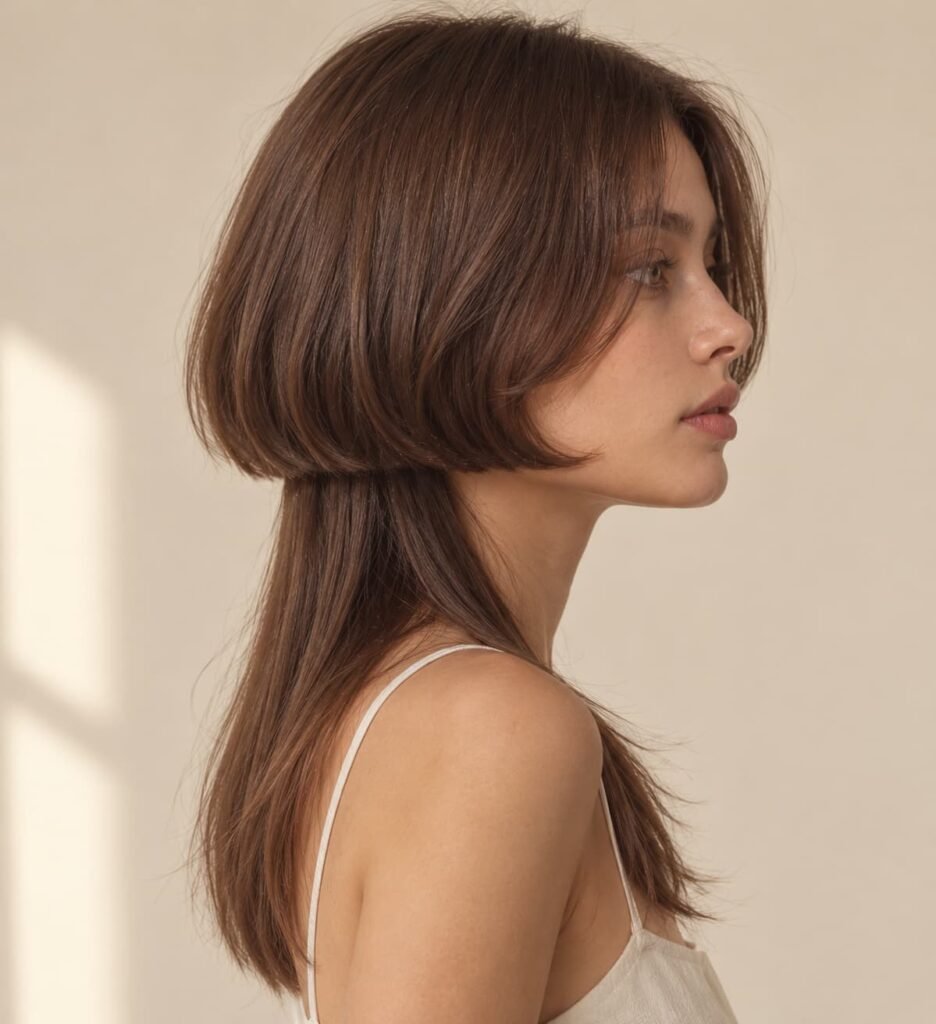
A jellyfish haircut has a recognizable shape, but its appearance can change depending on hair length, thickness, and natural texture.
The upper section usually frames the head with a rounded outline, while the longer hair falls underneath. Straight hair may make the difference between the two sections more noticeable. Waves and curls can add movement and volume, creating a softer overall appearance.
Three main features determine how the haircut looks.
The Short, Rounded Top Layer
The upper layer is one of the most noticeable parts of a jellyfish haircut. It commonly resembles a short bob that sits around the ears, jawline, or chin.
This section can have blunt ends for a clearly defined shape or lightly textured edges for a softer finish. The exact length affects how the haircut frames the face.
A shorter upper layer may create a stronger contrast with the longer hair underneath. A chin-length version can provide a more familiar bob-like appearance.
Hair density also affects the result. Thick hair may create a fuller, more rounded top, while fine hair can produce a lighter outline.
The Long, Flowing Underlayer
The lower section consists of longer hair that extends beneath the short upper layer. Depending on the chosen style, these strands may reach the shoulders, chest, or farther down the back.
This section provides the length contrast that makes the haircut recognizable.
The longer hair can remain straight, follow its natural waves, or form curls. These different textures change how the lower section moves and how clearly it stands apart from the top.
The amount of hair left underneath also matters. A fuller lower section may create a more balanced appearance, while fewer long strands can produce a sharper, more dramatic contrast.
How the Disconnected Layers Create Its Shape
Disconnected layers are the defining feature of the jellyfish cut. Instead of gradually blending short hair into long hair, the haircut creates a visible separation between the two sections.
This separation allows the rounded upper layer to maintain its own shape while the longer hair falls independently underneath.
The difference becomes especially noticeable when the hair is straight or styled with smooth ends. On wavy or curly hair, natural volume and movement may soften the transition.
The placement of the layers also changes the overall appearance. A higher, shorter top section can make the haircut look bolder, while a longer upper section with less contrast may create a more subtle result.
The final shape depends on how the hair is divided, its natural texture, and the amount of separation between the two lengths.
Popular Jellyfish Cut Styles to Consider
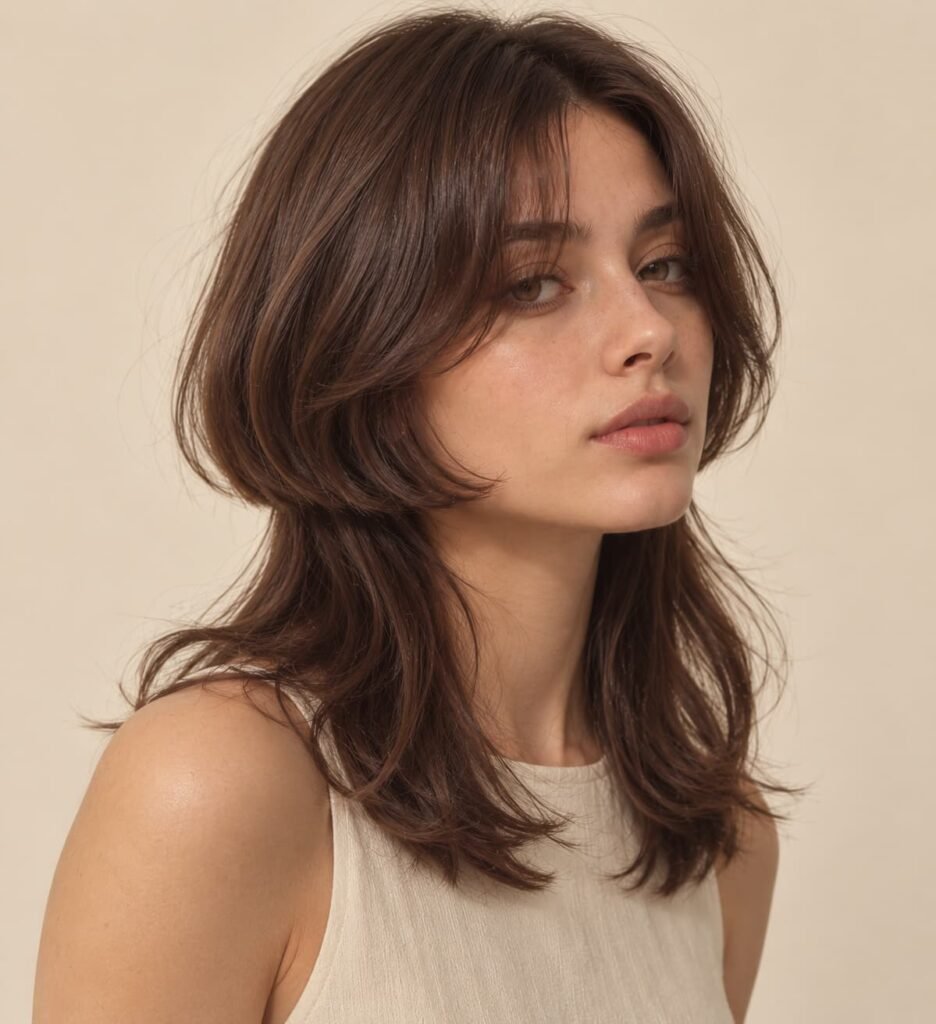
A jellyfish cut can look different depending on the length of each section, the shape of the upper layer, and the hair’s natural texture. Some variations have sharp, noticeable lines, while others create a softer appearance.
The following styles offer different ways to wear this haircut while keeping its recognizable two-level structure.
Classic Jellyfish Cut
The classic jellyfish cut features a short, rounded upper section with noticeably longer hair underneath. The top usually has a defined, bob-like shape, while the lower strands hang freely below it.
This variation emphasizes the contrast between the two lengths. Blunt edges can make the upper section appear more structured, especially when the hair is straight.
Someone who prefers a bold haircut with clear lines may find this version appealing. The final appearance can vary depending on the thickness and natural movement of the hair.
Soft Jellyfish Cut
A soft jellyfish cut keeps the two different lengths but uses less sharply defined edges. Light texturing around the shorter section can make the haircut appear more relaxed.
Unlike the classic version, the separation between the layers may be less dramatic. However, enough contrast remains to maintain the recognizable jellyfish shape.
This variation may appeal to people who prefer a subtle hairstyle rather than a strongly defined haircut. It can also be styled with gentle waves for a softer finish.
Short Jellyfish Cut
A short jellyfish cut uses a cropped upper layer with a relatively short lower section. The top may sit around the ears or jawline, while the longer strands extend toward the neck or shoulders.
Because both sections are shorter, the overall hairstyle has a more compact appearance. The difference in length remains visible, even without very long hair underneath.
This option may interest people who want a distinctive layered haircut without keeping their hair far below the shoulders.
Long Jellyfish Cut
A long jellyfish cut combines a shorter, rounded upper section with hair that extends below the shoulders. Depending on the starting length, the lower section may reach the chest or farther down the back.
The longer strands create a flowing appearance beneath the shorter top. Keeping the lower section straight can highlight the length difference, while waves may add movement.
This variation may appeal to someone who wants a noticeable change around the face while keeping much of their existing hair length.
Jellyfish Cut With Bangs
Bangs can change the way a jellyfish cut frames the forehead and face. They can be added to the shorter upper section without changing the longer hair underneath.
Blunt bangs create a more defined line across the forehead. Curtain bangs part toward the sides and may give the front a softer appearance. Wispy bangs provide lighter coverage and a less structured finish.
The choice depends on personal preference, natural hair growth patterns, and how much styling someone wants to do. Bangs are optional, and the haircut can maintain its distinctive shape without them.
Wavy and Curly Jellyfish Cut
A wavy or curly jellyfish cut uses natural texture to create movement through the two sections. Instead of a completely smooth outline, the upper layer may appear fuller, while the longer strands form waves or curls underneath.
Loose waves can soften the separation between the layers. Tighter curls may create a more rounded upper shape and additional volume.
Curl shrinkage is an important consideration because curly hair can appear shorter when dry. The length difference should account for how the curls naturally fall.
The finished hairstyle may look different from a straight-haired version, but the contrast between the shorter and longer sections can still remain visible.
How Does a Jellyfish Cut Look on Different Hair Types?
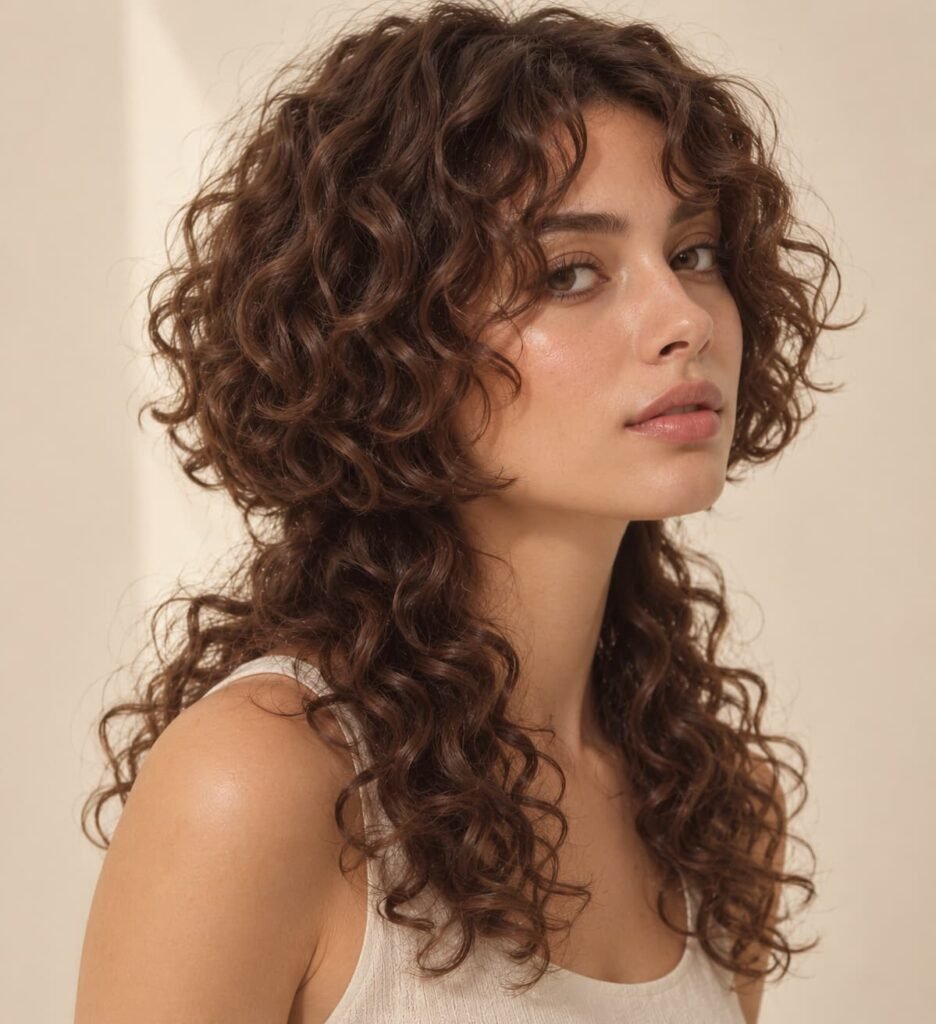
Hair texture and density can influence how a jellyfish haircut sits, moves, and holds its shape. The same cutting pattern may create different results on fine, thick, straight, wavy, or curly hair.
Understanding these differences can help readers choose a variation that matches their natural hair characteristics.
Straight and Fine Hair
Straight hair often makes the separation between the upper and lower sections easier to see. The shorter layer can form a smooth, rounded outline, while the longer strands fall beneath it.
Fine hair may create a lighter-looking shape because individual strands are usually smaller in diameter. If the lower section contains too little hair, it may appear sparse compared with the top.
Keeping enough density in both sections can help maintain the intended shape. A less dramatic difference between the lengths may be one possible option for someone who prefers a softer appearance.
Straight hair with greater density may produce a fuller upper layer, so the final result is not determined by texture alone.
Thick and Wavy Hair
Thick hair can create a fuller upper section, making the rounded shape more noticeable. If the hair also has natural waves, the shorter layer may have additional movement rather than sitting completely smooth.
The longer section can fall in loose waves, creating a relaxed appearance. Depending on the wave pattern, the separation between the two lengths may look softer than it does on straight hair.
Hair density and the placement of the shorter layer are important considerations. A very full top section may create a bulky silhouette, while carefully placed layers can change how the hair sits.
Some people may prefer to keep their natural waves, while others may choose a smoother finish to make the haircut’s structure more visible.
Curly Hair and Natural Volume
Curly hair can give a jellyfish cut a rounded, textured appearance. The shorter section may create noticeable volume around the head, while the longer curls fall below it.
The shape depends on the curl pattern, hair density, and the difference between wet and dry hair lengths.
Curl shrinkage means that curls can appear shorter when dry than when stretched or wet. This can affect where the upper layer sits and how much of the lower section remains visible.
For this reason, the chosen lengths should account for the hair’s natural curl pattern. The final look can vary between loose curls, tight curls, and hair with several curl patterns.
A curly version may have a softer outline than a straight version, but it can still maintain the two-level structure that defines the haircut.
How to Style a Jellyfish Cut
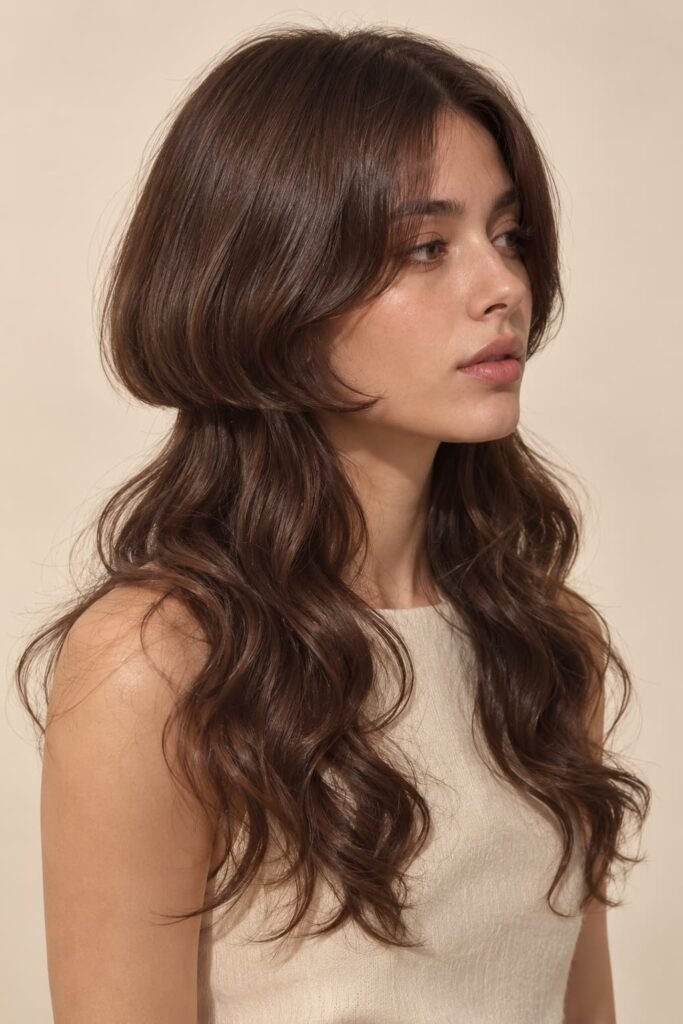
Styling a jellyfish cut involves working with its shorter upper section and longer hair underneath. Different techniques can create a smooth, structured appearance or a softer look with more movement.
The most suitable method depends on natural hair texture, preferred finish, and how much styling someone wants to include in their routine.
Jellyfish Cut vs. Wolf Cut: What’s the Difference?
The jellyfish cut and wolf cut both use shorter and longer layers, but they create different shapes. The main difference is how the layers connect and how the hair falls around the head.
A jellyfish cut has a more structured appearance because its shorter upper section remains visibly separate from the longer hair underneath. This creates a noticeable contrast between the two lengths.
A wolf cut uses multiple choppy layers that gradually connect throughout the hair. The shorter layers often create volume around the crown, while the longer sections form a textured, shaggy shape.
Styling also affects how these haircuts appear. A jellyfish cut can be styled with a smooth, rounded top to highlight its distinct sections. A wolf cut often features loose waves, tousled layers, or natural texture to emphasize movement.
The jellyfish cut may appeal to someone who prefers clearly defined layers and a more unusual shape. A wolf cut may be an option for those who like a softer, less structured appearance with movement throughout the hair.
Neither haircut is automatically better than the other. The choice depends on natural hair texture, preferred length, and the amount of styling someone is comfortable doing.
What Should You Consider Before Getting a Jellyfish Cut?
Before choosing a jellyfish cut, it helps to think about how the different lengths will work with your natural hair. The haircut can be adjusted in several ways, but the final appearance depends on more than the style shown in a photograph.
Hair length is one of the first things to consider. A longer lower section creates a stronger difference between the two levels, while a shorter version may produce a more compact shape. Think about how much of your current length you want to keep.
Hair density can also influence the result. Fine or lower-density hair may create a lighter-looking lower section, particularly if much of the hair is used to form the shorter top. Thicker hair may produce a fuller upper shape.
Natural texture affects how the layers sit. Straight hair may show the separation clearly, while waves and curls can soften the outline. Curly hair also needs additional consideration because shrinkage can change the visible length of each section.
Another important factor is the amount of contrast you prefer. A sharply defined difference between the upper and lower layers creates a bolder appearance. A softer version may feel more suitable for someone who prefers less dramatic styling.
Daily styling preferences matter as well. Some people may enjoy using a round brush to shape the top section, while others may prefer to let their natural texture show.
Before getting the haircut, consider showing a hairstylist photographs from the front, sides, and back. These different views can help communicate the desired upper-layer length, lower-layer length, and amount of separation.
Discussing these details can help establish realistic expectations about how the haircut may look with your individual hair characteristics.
How to Maintain and Grow Out a Jellyfish Cut
Maintaining a jellyfish cut mainly involves keeping the shorter and longer sections looking the way you prefer. Since the haircut relies on a visible difference between two lengths, its appearance can change as the hair grows.
The shorter upper layer may gradually lose its rounded outline. As both sections become longer, the original separation can appear less noticeable, depending on the haircut’s shape and natural hair texture.
Occasional trims can help maintain the preferred upper-layer length and overall silhouette. The frequency depends on individual hair growth, the chosen style, and how much change in length someone is comfortable with.
Daily care can remain relatively simple. Gentle detangling, suitable cleansing and conditioning products, and styling methods appropriate for the hair type can help keep the hairstyle manageable.
The longer underlayer may need particular attention when brushing or detangling, especially if it becomes tangled beneath the shorter section.
Growing out a jellyfish haircut can involve a noticeable transition because the two sections begin at different lengths.
One option is to let both sections grow while keeping the original contrast. Another is to gradually adjust the shorter layer until it connects more closely with the longer hair.
Someone who wants to move toward a conventional layered haircut may prefer to soften the separation over time. However, the final transition depends on the starting lengths and the hairstyle they want to achieve.
There is no single maintenance routine that suits everyone. Hair texture, personal preferences, and the desired level of definition all influence how much styling and trimming may be needed.
Frequently Asked Questions About the Jellyfish Cut
Is a Jellyfish Cut Suitable for Thin Hair?
A jellyfish cut may work with thin or fine hair, but the amount of hair left in each section is important.
If too much hair is used for the short upper layer, the longer section may appear sparse. A softer variation with less dramatic separation may be worth considering.
The final result depends on hair density, strand thickness, and how the haircut is shaped.
Can You Get a Jellyfish Cut Without Bangs?
Yes, a jellyfish cut can be worn without bangs. The shorter upper section and longer underlayer create the hairstyle’s main shape, so a fringe is not essential.
Without bangs, the front sections can remain open around the face or follow a preferred parting.
This option may appeal to someone who wants the two-level haircut without adding a separate fringe.
Does a Jellyfish Cut Work With a Round Face?
A jellyfish cut can be adapted for someone with a round face, although the preferred appearance is subjective.
The length of the upper layer and the way it frames the cheeks and jaw can influence the overall silhouette. Some people may prefer a slightly longer top section, while others may like a shorter, rounded shape.
There is no single version that suits every round face. Individual features, hair texture, and personal style preferences are more useful considerations than face shape alone.
Is a Jellyfish Cut Difficult to Maintain?
The maintenance needs of a jellyfish cut depend on the selected variation and natural hair texture.
A sharply defined upper layer may require more attention to preserve its rounded shape. A softer, textured version may allow for a more relaxed finish.
Some people may prefer regular blow-drying or smoothing, while others can work with their natural waves or curls.
The haircut is not completely maintenance-free, but it does not require the same routine for everyone.
What Should You Ask for at the Salon?
When requesting a jellyfish haircut, explain that you want a shorter, bob-like upper section with longer hair underneath.
Describe where you would like the upper layer to end and how much length you want to keep in the lower section.
It is also helpful to mention whether you prefer sharp, disconnected layers or a softer transition. If you want bangs, discuss their length and shape separately.
Reference photographs showing several angles can make the desired result easier to understand.
A hairstylist can then assess how the requested shape may work with your hair’s natural texture and density.
Final Thoughts
The jellyfish cut offers a distinctive way to combine shorter and longer hair in one hairstyle. Its disconnected layers create a recognizable shape, while different lengths and textures allow for several variations.
A classic version emphasizes the contrast between the two sections, while softer styles may create a more relaxed appearance. Bangs, natural waves, and curls can also change how the haircut looks.
Before choosing this style, consider your hair density, natural texture, preferred length, and daily styling habits. These factors can influence how the layers fall and how much maintenance you may prefer.
Understanding the haircut’s structure and exploring different variations can help you choose an option that matches your personal style.