
What Is a Bowl Cut?
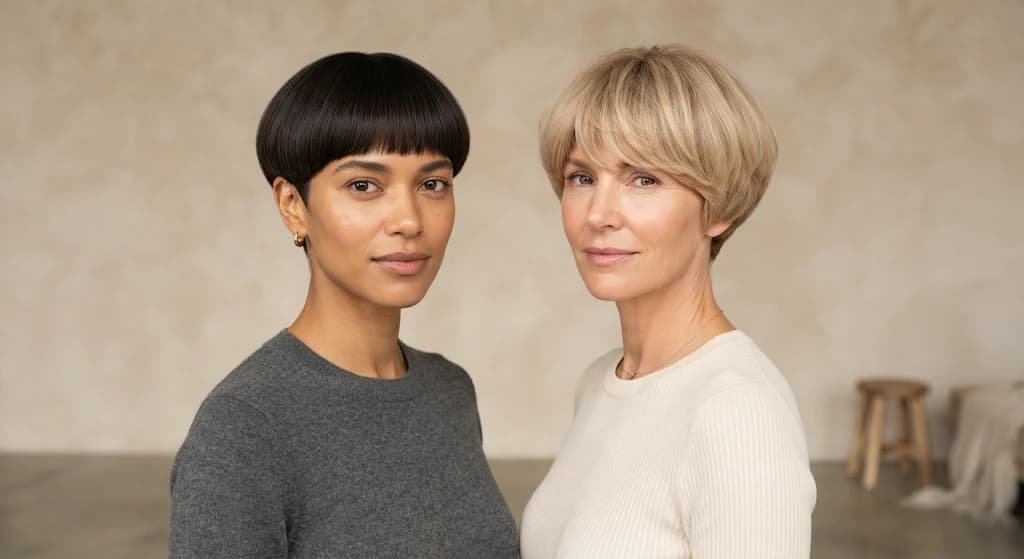
A bowl cut is a short hairstyle with a rounded outline and a fringe that usually runs straight across the forehead. The classic bowl cut hairstyle has a relatively even edge around the head, resembling an upside-down bowl. Modern versions can soften that shape with layers, textured ends, or shorter sides.
In a classic bowl cut, the hair around the sides and back follows a continuous rounded outline. The fringe is commonly cut straight across the forehead, although its length and thickness can vary. The overall shape is usually more structured than that of heavily layered short hairstyles.
A modern bowl cut keeps the recognizable rounded shape but allows more flexibility in the finish. Textured ends can soften a blunt edge, layers can change how the hair moves, and tapered sides can reduce fullness around the ears. Bring reference photos that show both the front and sides so your stylist can see which details you want.
The final look depends on the cutting technique, hair length, natural texture, and chosen finish. A bowl cut can appear smooth and structured or softer and more textured.
Main Characteristics of a Bowl Cut
A bowl cut is recognized by its rounded shape, fringe, and distinctive perimeter. However, these features can be adjusted to create different interpretations of the hairstyle.
Rounded Haircut Shape
The rounded silhouette is one of the main characteristics of a traditional bowl cut. The hair follows a curved outline around the head, connecting the upper sections with the sides and back.
A classic version generally has a more uniform shape, while modern interpretations may include layers or textured ends. These adjustments can make the outline appear softer or less symmetrical.
The amount of fullness around the crown and sides also influences the final silhouette.
Blunt or Soft Fringe
The fringe is an important part of many bowl cut variations. Traditional styles commonly feature blunt bangs that create a straight line across the forehead.
Modern versions may use softer, textured, or side-swept fringes instead. Blunt bangs give the haircut a more defined appearance, while longer or side-swept bangs offer a different way to frame the face.
The fringe can be customized according to the preferred length and overall haircut shape.
Short and Even Perimeter
The perimeter refers to the outer edge of the haircut. In a traditional bowl cut, this edge follows a relatively consistent length around the head, helping maintain its rounded appearance.
Modern versions do not always have an even perimeter. Some feature choppy ends, graduated sections, or subtle layers that create additional variation.
The chosen length can also change the overall effect, from a compact shape around the ears to a slightly longer silhouette.
Tapered or Undercut Sides
A tapered bowl cut combines a rounded upper section with hair that gradually becomes shorter toward the lower hairline. The transition can be subtle, depending on how much length you keep around the ears and neck.
An undercut bowl cut leaves a more distinct separation between the longer top and the shorter hair underneath. When discussing either option, explain how much of the ears you want exposed and whether you prefer a blended transition or a visible overhang.
Popular Types of Bowl Cut Hairstyles
A bowl cut can look quite different depending on its shape, length, and finishing technique. Some versions keep the traditional rounded outline, while others introduce layers, uneven edges, or shorter sides. Understanding these variations can help readers identify a style that matches their preferred appearance.
Classic Bowl Cut
The classic bowl cut features a rounded shape with a relatively even perimeter and straight fringe. The sides and back follow a continuous outline, giving the haircut its familiar bowl-like appearance.
This version has a neat, structured finish. The fringe usually sits across the forehead, while the hair around the sides follows the same general length. It is a recognizable choice for anyone interested in the traditional form of this haircut.
Textured Bowl Cut
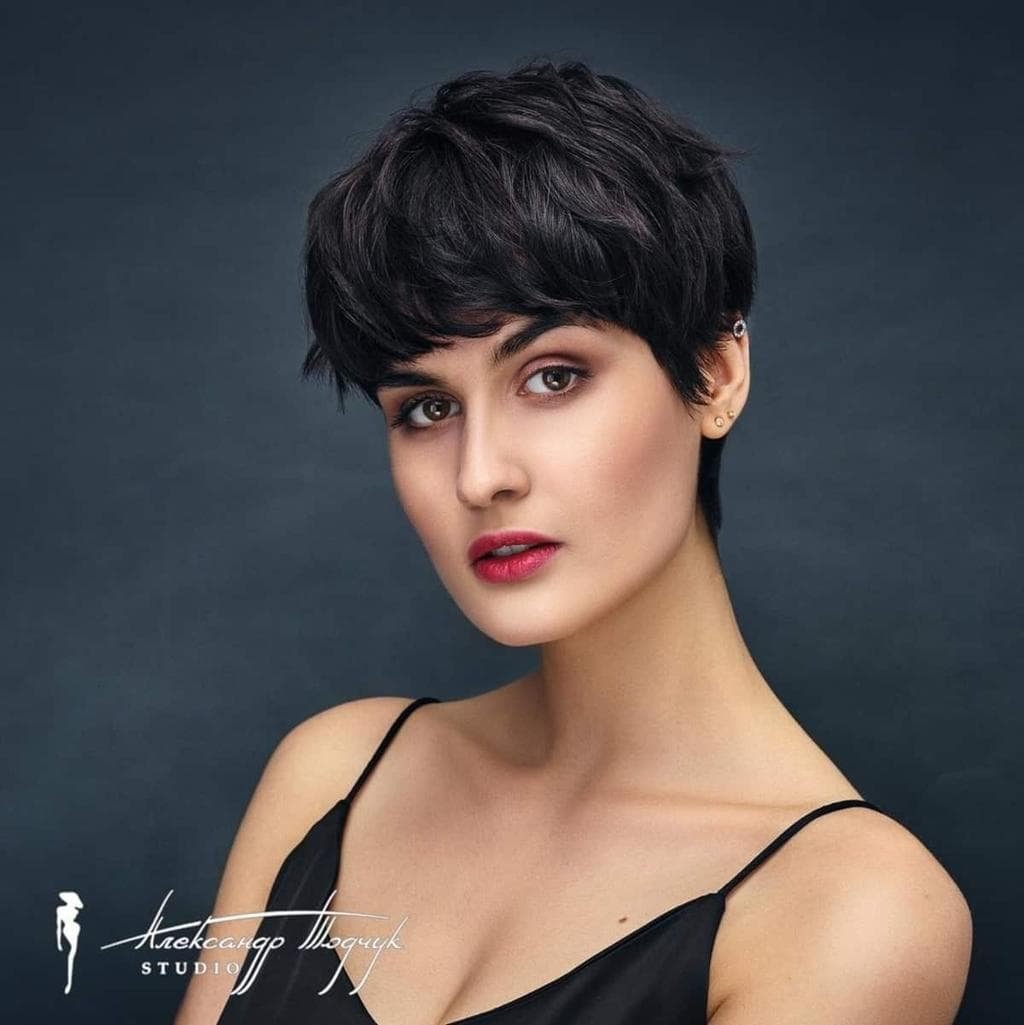
A textured bowl cut uses choppy ends or carefully placed layers to break up the solid edge of the classic shape. The rounded outline remains visible, but individual sections have more separation.
For a messy bowl cut finish, arrange the ends loosely with your fingers and a small amount of lightweight styling product. Ask your stylist how to recreate the texture at home, especially if your hair naturally falls smooth and straight.
Layered Bowl Cut
A layered bowl cut uses different hair lengths to create more dimension within the rounded shape. Instead of maintaining one consistent length throughout, the stylist introduces shorter sections that blend into the surrounding hair.
The layers can be subtle or more noticeable, depending on the desired result. This approach changes how the hair sits around the crown and sides while retaining elements of the bowl cut silhouette.
Asymmetrical Bowl Cut
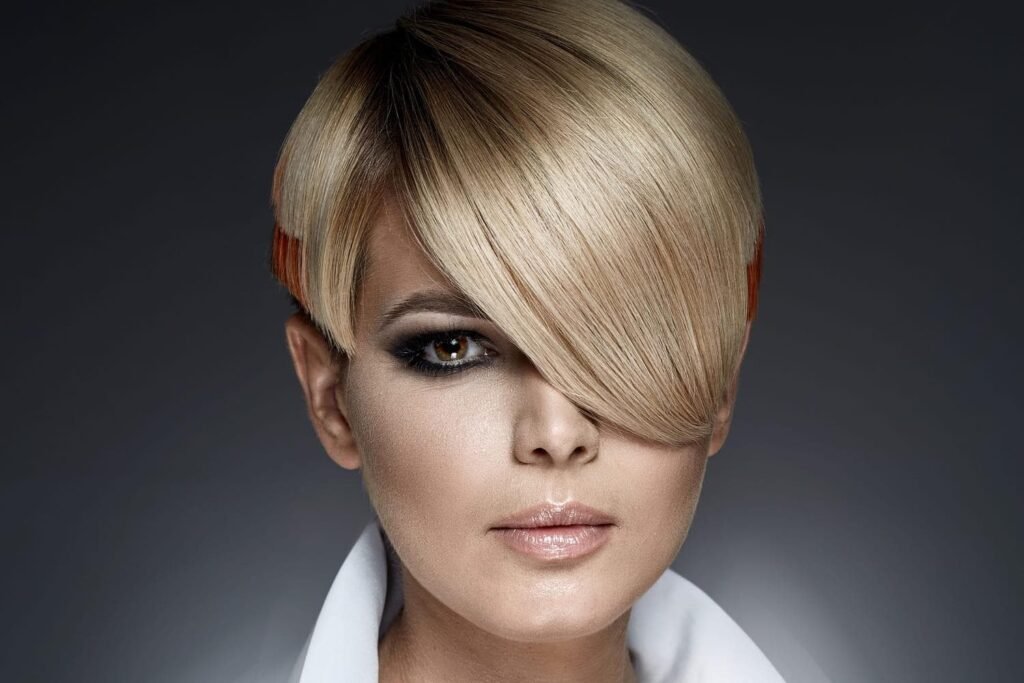
An asymmetrical bowl cut features different lengths on the two sides of the head. One side may be slightly longer, while the other has a shorter or more sharply defined edge.
The uneven outline creates a different profile from the traditional symmetrical version. A side-swept fringe or angled sections can further emphasize the shape.
Bowl Cut With Tapered Sides
This variation combines a rounded upper section with gradually shorter hair around the sides and back. The taper creates a transition between the fuller top and the shorter lower sections.
The upper hair can retain a traditional bowl-like outline, while the tapered areas give the haircut a more contemporary profile. The degree of taper can be adjusted to create either a subtle or more noticeable contrast.
Bowl Cut Fade
A bowl cut fade pairs a rounded top with sides and back that become progressively shorter toward the hairline. A lower fade keeps the shortest area closer to the ears and neckline, while a higher fade exposes more of the sides.
Before choosing a modern bowl cut fade, discuss where the fade should start and how much contrast you want beneath the longer top. A photo from the side or back helps show details that a front-facing image can miss.
Bowl Cut With Long Bangs
Long bangs offer an alternative to the short, blunt fringe commonly associated with classic bowl cuts. They can fall closer to the eyebrows or sweep toward one side of the forehead.
This variation creates a softer front section and changes how the haircut frames the face. The rest of the hair can remain rounded or include subtle layers for additional variation.
Bowl Cut Hairstyles for Women
Bowl cut hairstyles for women can range from a compact, sharply defined shape to a softer cut with a longer fringe. Choose reference photos based on the details you like, such as exposed ears, a rounded back, or textured ends.
A pixie bowl cut combines a bowl-inspired fringe or rounded top with shorter pixie-style sections around the sides and nape. For a women’s bowl cut with this shape, show your stylist how much length you want to keep on top and how short you are comfortable going underneath.
How Hair Length, Layers, and Bangs Change a Bowl Cut
The overall appearance of a bowl cut depends on more than its rounded outline. Hair length, layering, and fringe shape can all influence its proportions. Small adjustments to these elements can create noticeably different results.
Short vs. Longer Bowl Cuts
A short bowl cut usually has a compact shape, with the hair sitting around or above the ears. This length can make the rounded outline more noticeable and gives the haircut a clearly defined profile.
A long bowl cut keeps more length around the ears and nape while retaining a rounded outline. Compared with a shorter version, it can leave more room to sweep the fringe sideways or tuck suitable sections behind the ears. Ask your stylist to check how the extra length sits at the back, where the shape can become heavier.
The choice between short and longer lengths depends on the preferred shape and how much styling flexibility the reader wants.
How Layers Add Movement and Texture
Layers change the way a bowl cut sits by introducing sections of different lengths. Rather than having a completely uniform outline, the hair can show more separation and movement.
Subtle layers create a softer transition between sections, while more noticeable layers produce a choppier appearance. The placement of the layers also matters, as crown layers and side layers can influence different parts of the silhouette.
A layered finish is one option for people who prefer a less structured interpretation of the traditional haircut.
Choosing Between Blunt and Side-Swept Bangs
Blunt bangs create a straight horizontal line across the forehead. They complement the traditional bowl cut shape and give the front section a more defined appearance.
Side-swept bangs follow a diagonal direction instead of forming a straight line. They introduce an uneven element and can make the front of the haircut look softer.
Both options can work with different bowl cut variations. The choice depends on the preferred fringe length, haircut proportions, and personal styling preferences.
Bowl Cut Ideas for Different Hair Textures
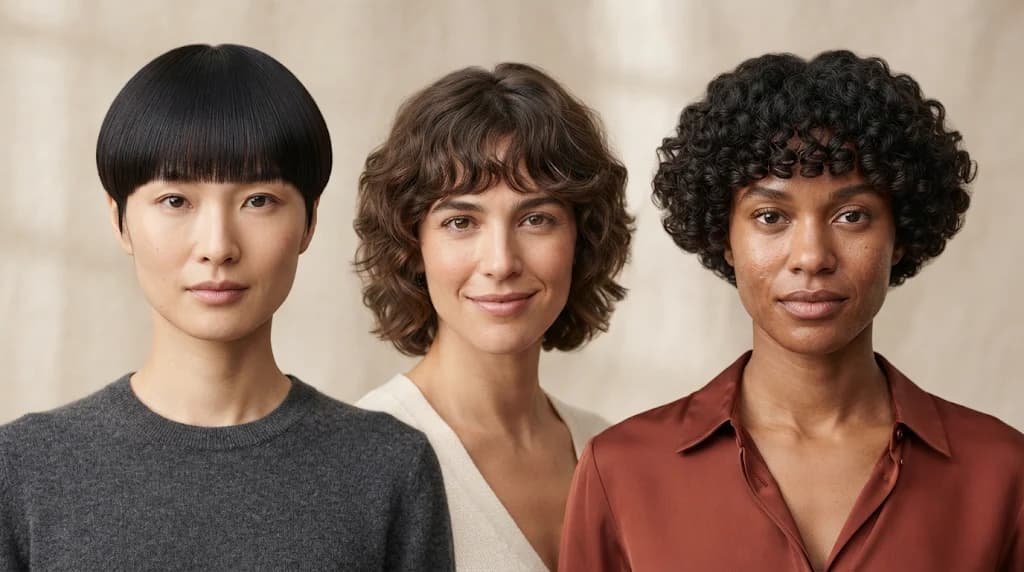
Natural hair texture influences how a bowl cut looks after cutting. Straight hair may show a more defined outline, while waves and curls can change the shape through their natural movement and volume.
Bowl Cuts for Straight Hair
Straight hair can make the rounded outline of a bowl cut appear clearly defined. The hair generally follows the cutting shape without the additional bends found in wavy or curly textures.
A classic bowl cut with blunt bangs is one option for straight hair. Textured ends or subtle layers can also create variation without changing the overall silhouette too much.
Bowl Cuts for Wavy Hair
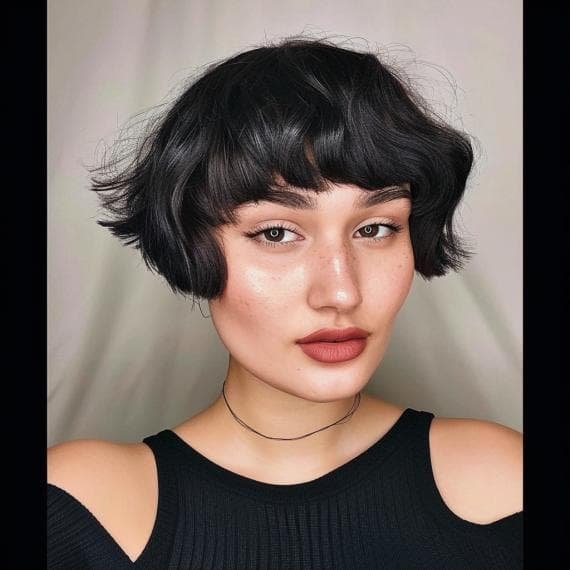
A wavy bowl cut follows the hair’s natural bends, giving the rounded outline a softer, less uniform finish. Check how your fringe falls when dry before choosing its length, as waves can lift or separate across the forehead. Reference photos with a similar wave pattern can help communicate the result you want.
A textured or layered variation can work with the natural wave pattern. Keeping the shape slightly relaxed rather than completely structured is another styling option.
Bowl Cuts for Curly Hair
A curly bowl cut uses the natural curl pattern to create a rounded shape rather than a straight, solid edge. Curls can make the crown and sides look fuller, so the visible length and distribution of volume matter as much as the outline. Discuss how you normally wear your curls before deciding on the fringe and side lengths.
The haircut should account for the natural curl pattern and how much the hair contracts when dry. A customized length and shape can help maintain the intended silhouette without forcing the curls into a straight outline.
Bowl Cuts for Fine and Thick Hair
Fine and thick hair can create different results with the same bowl cut shape.
With fine hair, a relatively simple perimeter may help maintain a fuller-looking outline. Too many short layers can make the ends appear less substantial, depending on the haircut and natural density.
Thick hair often creates a naturally fuller silhouette. Subtle layering or carefully shaped sections can help establish the desired outline without making the haircut look excessively bulky.
The most suitable approach depends on individual hair density, texture, and preferred length. A reference photograph can help communicate the desired shape when discussing the haircut with a stylist.
Bowl Cut vs. Mushroom Cut: Are They Different?
A bowl cut and a mushroom cut often describe the same rounded hairstyle. There is no universally fixed distinction between the names, and both can refer to a cap-like shape with a fringe and shorter hair underneath.
Some stylists use “mushroom cut” to describe a fuller shape, but the name alone does not reliably tell you how the fringe, layers, or sides will be cut. A mushroom bowl cut can also include textured ends or an undercut.
Bring reference photos and discuss the details separately: fringe length, volume at the crown, coverage around the ears, and how closely the sides should be cut.
What to Consider Before Getting a Bowl Cut
A bowl cut can be adapted in different ways, from a classic rounded style to a softer version with layers and textured ends. Before choosing one, consider your natural hair, preferred appearance, and everyday styling routine.
Face Shape and Desired Silhouette
The rounded shape and fringe can change how a bowl cut frames your face. A short, full version creates a different appearance from a longer cut with side-swept bangs or tapered sides.
If you prefer a softer finish, consider textured ends, longer bangs, or less defined edges. For a more structured appearance, a classic rounded outline with a straight fringe may be worth considering.
There is no single face shape that automatically suits every bowl cut. The proportions, length, fringe, and volume all influence the final appearance. Your hairstylist can help you explore different variations based on the look you prefer.
Natural Hair Texture and Volume
Your natural hair texture plays an important role in how a bowl cut looks after styling. The same haircut can have a different finish on straight, wavy, and curly hair.
- Straight hair: The rounded outline and fringe may appear more defined, making this texture suitable for a neat, structured finish.
- Wavy hair: Natural movement can create a softer appearance with less uniform edges.
- Curly hair: Curl patterns can change the visible length and shape. Consider how your curls sit when dry before choosing the final length.
- Fine hair: The cutting technique and desired silhouette are important when deciding how much layering or fullness to include.
- Thick hair: Internal layers or carefully placed texture may help shape the overall weight, depending on your preferred result.
Discuss your natural texture, hair density, and usual styling habits with your hairstylist. This can help them choose a cutting technique that works with your hair rather than against it.
Styling Time and Maintenance
Although a bowl cut has a simple outline, some versions need regular styling to maintain their shape. A short fringe or sharply defined perimeter may require more attention than a longer, textured variation.
Think about how much time you want to spend getting ready each day. A smooth bowl cut may need a little brushing and blow-drying, while a relaxed version can work with your natural texture.
Regular trims can also help maintain the original outline. If you prefer a haircut that grows out with less noticeable changes, ask about a longer or softer variation before making your decision.
How to Style a Bowl Cut and Maintain Its Shape
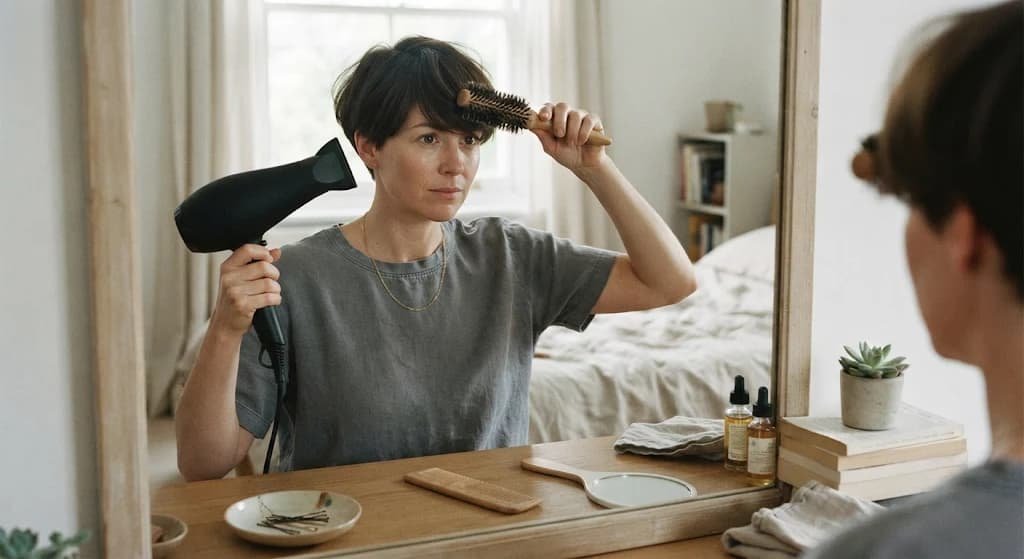
Styling a bowl cut does not have to be complicated. The right approach depends on your hair texture, haircut length, and the finish you want. A few simple techniques can help keep the style looking neat and balanced.
Everyday Styling Ideas
For a smooth appearance, begin with clean, damp hair. Use a brush and blow-dryer to guide the hair into your preferred rounded shape. A moderate heat setting can help you style the hair without relying on excessive heat.
If you prefer a relaxed finish, allow some of your natural texture to show. A small amount of lightweight styling cream can help define selected sections without making the hair look stiff.
You can also change the appearance of your bowl cut with small adjustments:
- Keep the fringe straight for a classic look.
- Sweep the bangs slightly to one side for a softer finish.
- Add subtle texture to create a more casual appearance.
- Use a little styling cream to define the ends.
- Experiment with a side part if your haircut allows it.
Choose styling products based on the finish you want rather than using several products at once.
Keeping the Fringe and Shape Neat
The fringe is an important feature of many bowl cuts. Its length and direction can influence the overall appearance of the hairstyle.
For a classic look, arrange the fringe evenly across the forehead. If you prefer a softer style, try sweeping the bangs slightly to one side or allowing them to fall naturally.
The sides and back also help create the rounded silhouette. Pay attention to how the hair sits around the ears, temples, and neckline when discussing the haircut with your stylist.
Avoid making large fringe adjustments at home if you are unsure about the shape. Even a small change in length can affect the balance of the haircut.
When to Consider a Trim
There is no fixed trimming schedule for every bowl cut. The right timing depends on the length of your hair, how quickly it grows, and how closely you want to maintain the original shape.
A short bowl cut with a defined fringe may need more frequent appointments than a longer, textured version. You can consider a trim when the bangs become longer than you prefer or the rounded outline starts losing its shape.
If you want to grow your bowl cut out, let your hairstylist know. They can suggest gradual adjustments to help the different lengths blend more naturally as your hair changes.
Frequently Asked Questions
Are Bowl Cuts Still in Style?
Bowl cuts continue to appear in modern hairstyle inspiration. Updated versions often feature textured ends, layers, longer bangs, or tapered sides instead of the traditional evenly rounded shape.
The style offers several variations, making it possible to choose between a neat, structured finish and a softer, more relaxed appearance.
What Face Shape Suits a Bowl Cut?
A bowl cut is not limited to one face shape. Its appearance depends on the relationship between the fringe, hair length, volume, and rounded outline.
For example, a longer fringe and softer sides create a different look from a short cut with blunt bangs. Consider trying different reference styles with your hairstylist to find proportions you like.
Can Women With Curly Hair Get a Bowl Cut?
Yes. Women with curly hair can choose a bowl cut with adjustments to suit their natural curl pattern.
Curls can make hair appear shorter than its wet length, which is important when deciding how much to cut. Discuss the expected dry shape with your hairstylist so the finished haircut has the proportions you want.
Is a Bowl Cut Easy to Maintain?
Maintenance depends on the particular variation. A longer, textured bowl cut may allow a more relaxed styling routine, while a sharply defined shape or short fringe may require more regular trims.
Your natural hair texture and preferred finish also influence how much time you spend styling it each day.
How to Fix a Bowl Cut You Do Not Like
First, identify what feels wrong: the fringe length, a heavy outline, uneven sides, or the amount of volume. A stylist may be able to soften the edge, adjust the shape, or suggest a different finish, depending on how much length remains.
If a bad bowl cut has left the fringe or sides too short, further cutting cannot restore that length. Discuss temporary styling options and a plan for growing those sections out before making another major change.
How Long Does a Bowl Cut Take to Grow Out?
Growing out a bowl cut takes different amounts of time depending on your starting length and the hairstyle you want next. A cut with closely cropped sides needs those sections to catch up with the longer top, while a more even shape may need fewer adjustments.
Tell your stylist which areas you want to grow longer. Small shaping trims can help manage the transition, but repeatedly cutting every section back to its original length will work against that goal.
Final Thoughts
Bowl cuts offer more variety than their traditional rounded shape might suggest. You can choose a classic version with a defined fringe, a textured style with softer edges, or a modern variation with longer bangs, layers, or tapered sides.
Before choosing a particular version, consider your natural hair texture, the silhouette you prefer, and how much time you want to spend styling and maintaining it.
Bringing a few reference photos to your hairstylist can make it easier to explain the length, fringe, and overall shape you have in mind. The best choice is a variation that matches your personal style and fits comfortably into your everyday routine.