
Introduction
Short hair with highlights can create anything from a soft, blended effect to a more noticeable contrast. The final appearance depends on several visual choices, including the haircut, base color, highlight shade, and where the highlighted sections are placed.
Some people may prefer fine highlights that stay close to their base color, while others may choose brighter or wider sections for a stronger contrast. Short bobs, pixie cuts, layered styles, waves, curls, and bixie cuts can all be paired with highlights in different ways.
This guide looks at common short hairstyles with highlights and explains how color placement can change the overall appearance of each cut.
What Are Highlights on Short Hair?
Highlights are selected sections of hair that are colored lighter than the base hair color. They can be fine and blended or wider and more noticeable, depending on the desired effect.
On short hair, highlights may be placed around the face, through the top sections, within layers, or across selected areas of the haircut. Placement affects where the contrast appears and which parts of the hairstyle draw the most attention.
Fine highlights may create a softer transition between shades, while wider or brighter sections may create stronger visual contrast. The result can also vary with the haircut, natural texture, base color, and styling.
Best Short Hair Styles With Highlights
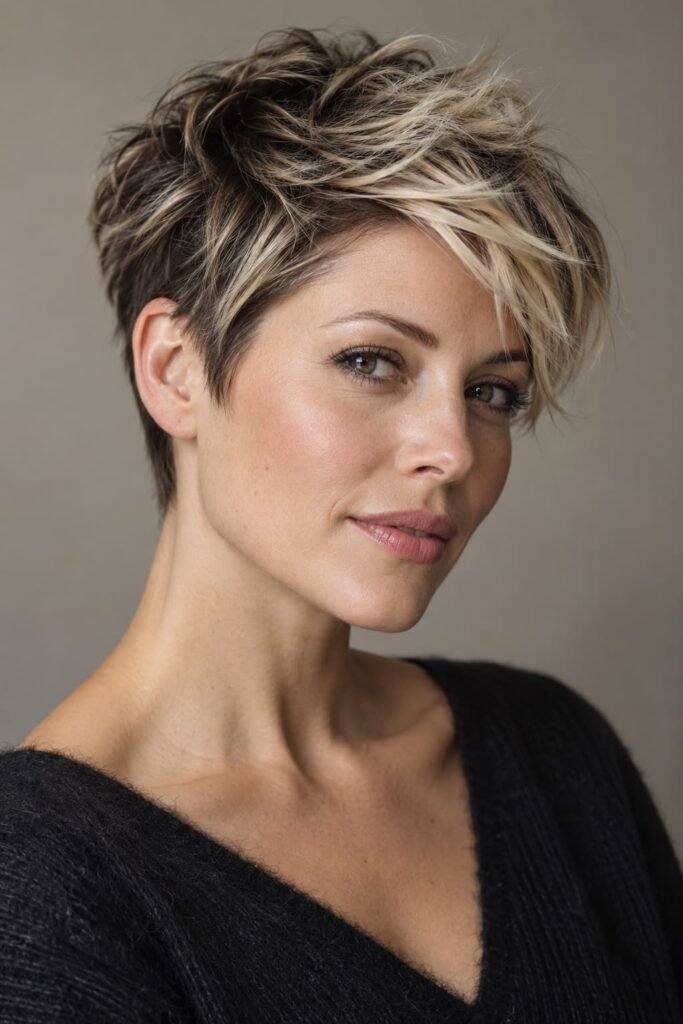
Highlights can be used with many short hairstyles. There is no single combination that works for everyone. The choice depends on the haircut, base shade, desired contrast, and the overall look a person wants to create.
Short Bob With Highlights
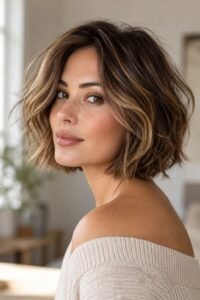
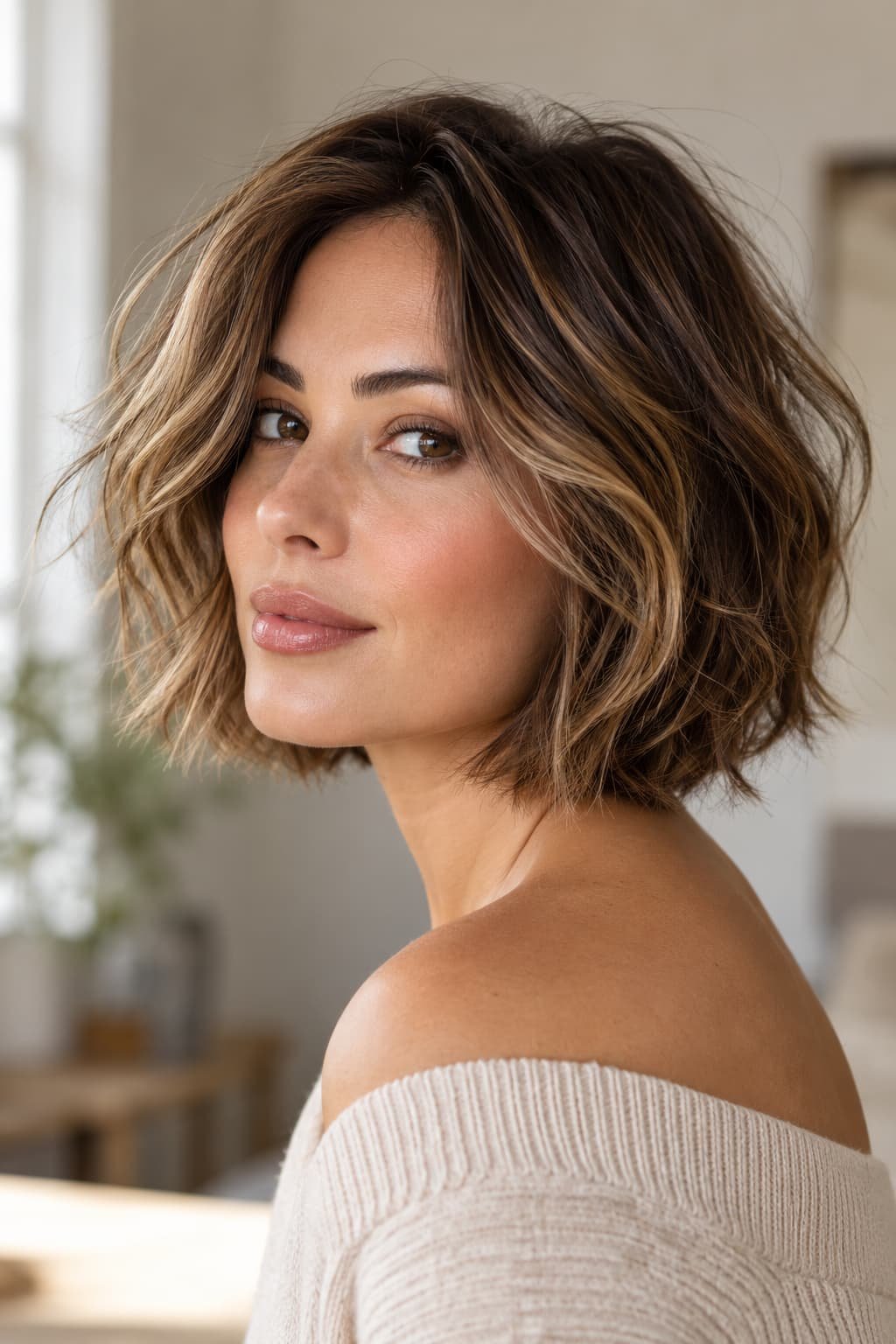
A short bob gives highlights a clear shape to work with. Fine highlights can be distributed through the hair for a blended appearance, while brighter pieces near the front can make the contrast more noticeable.
On a blunt bob, evenly distributed highlights may keep the color pattern looking simple and structured. On a textured or layered bob, selected lighter pieces can draw more attention to the different lengths and movement in the cut.
Both subtle and stronger highlight combinations are possible, so the choice is mainly a matter of color contrast and personal preference.
Pixie Cut With Highlights
A pixie is a very short haircut that is generally cropped closer around the sides and back, with more length often left through the top. Because there is less hair length, selected highlighted sections can become a visible part of the overall design.
Highlights may be placed through the fringe, top, or longer front sections. A shade close to the base color can create a more blended result, while a brighter shade can produce stronger contrast.
The placement can also follow the shape of the pixie. For example, color concentrated through longer top sections may emphasize those areas more than highlights spread evenly across the cut.
Layered Short Hair With Highlights
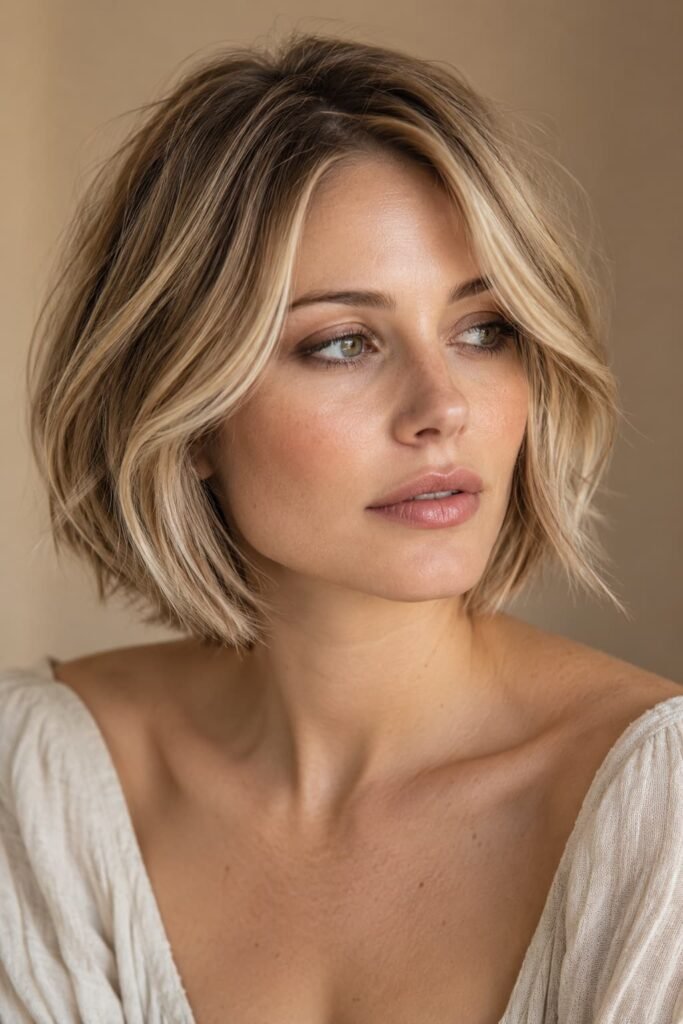
Layered short hair contains different lengths, which gives highlights several areas where they can be placed. Lighter sections can be added through selected layers to make the color variation easier to see.
A low-contrast combination may give the hairstyle a softer appearance. A higher-contrast combination can make individual sections stand out more clearly.
One option is to concentrate highlights around the upper or face-framing layers instead of using the same amount of color throughout the entire haircut. This can keep the placement more focused.
Short Wavy or Curly Hair With Highlights
Wavy and curly textures can show highlighted sections in different positions as the hair bends and curves. This means the visible pattern of the highlights may change slightly depending on how the hair is parted or styled.
Fine highlights can create small changes in tone throughout the texture, while brighter pieces may make selected waves or curls more noticeable.
Another option is to use highlights only in certain sections rather than trying to highlight every visible curl or wave. The preferred approach depends on how blended or defined the final color is intended to look.
Bixie Cut With Highlights
A bixie combines elements of a bob and a pixie. It generally has more length than a traditional pixie while keeping the shorter, layered character of a cropped style.
That extra length creates several possible areas for highlight placement, including the fringe, crown, top layers, and longer side sections.
Fine highlights can be used for a softer color transition, while brighter face-framing or top sections can create stronger contrast. Because bixie cuts often include layers and varied lengths, highlight placement can follow the shape of the haircut rather than using one uniform pattern throughout.
What Highlight Colors Work With Short Hair?
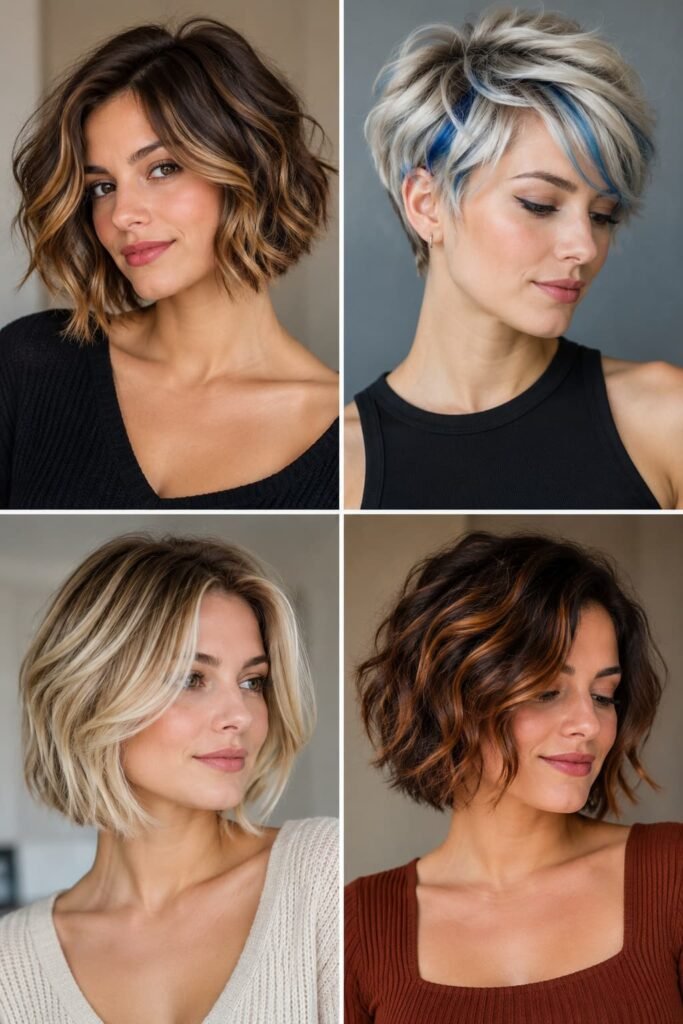
There is no single highlight color that suits every short hairstyle. The appearance depends on the base shade, the level of contrast, and whether the goal is a natural-looking blend or a more noticeable color difference.
Neutral shades can create a softer result, while bright or contrasting colors can become a stronger part of the hairstyle. The same highlight color may also look different against light, medium, or dark base hair.
Blonde and Platinum Highlights
Blonde highlights can range from soft beige and golden shades to cooler, lighter tones. They may be used on brown, blonde, or darker hair depending on the amount of contrast wanted.
Platinum highlights create a much lighter effect and are usually more noticeable against medium or dark base colors. On short cuts, they can be placed through the top, around the face, or on selected longer sections.
A softer blonde may be preferred for a blended appearance, while platinum can suit someone looking for a sharper color contrast.
Caramel and Honey Highlights
Caramel and honey tones sit in the warm blonde-to-light-brown range. They can create a gentler contrast than very light blonde or platinum shades, particularly when paired with brunette hair.
Caramel highlights may look deeper and more muted, while honey shades usually have a warmer golden appearance. Both can be used in fine sections for subtle variation or in wider pieces for a more visible result.
These shades can work with bobs, pixies, and layered short cuts without requiring the highlight pattern to dominate the hairstyle.
Copper, Auburn, and Red Highlights
Copper, auburn, and red highlights offer warmer color options. Copper tends to appear brighter and more orange-toned, while auburn usually combines red and brown tones.
Red highlights can range from muted shades to stronger, brighter colors. Against brown or dark hair, selected red or copper sections can create clear contrast without changing the entire base color.
On short hair, these colors may be concentrated around the front, through selected layers, or across the top depending on how noticeable the color is meant to be.
Burgundy, Blue, and Purple Highlights
Burgundy, blue, and purple are options for people who want a less traditional color combination. These shades can be used as small accents or as more visible sections.
Burgundy tends to create a deeper, red-purple effect and may appear more subtle on dark hair than bright blue or violet shades. Blue and purple highlights can range from muted tones to vivid color, so the level of contrast can vary considerably.
On short hair, placing these shades in selected areas may make the color easier to control visually than distributing them evenly throughout the cut.
Best Highlight Placement Options for Short Hair
Highlight placement can change which parts of a short haircut receive the most attention. Some placements create a soft, distributed effect, while others concentrate color in a few visible areas.
The haircut itself matters because a pixie, bob, or layered crop offers different amounts of length and movement for the color to follow.
Face-Framing Highlights
Face-framing highlights are placed around the front sections of the hair. They can be narrow and subtle or wider and more contrasting.
On a bob, they may sit along the front pieces near the cheeks or jawline. On a pixie or bixie, they can be added through the fringe or longer sections near the face.
This placement is useful when someone wants the lighter or contrasting color to be concentrated at the front rather than spread through the whole haircut.
Highlights Through the Top Layers
Highlights placed through the upper layers can make the color more visible from the top and sides of the hairstyle.
This placement can work particularly well with layered bobs, pixies, and bixie cuts because these styles often have more length through the top sections.
Fine pieces may give a blended effect, while wider highlighted sections can make the contrast easier to see.
Peekaboo Highlights
Peekaboo highlights are placed underneath or within lower sections of the hair so that the contrasting color is not always fully visible.
They may appear more clearly when the hair moves, is tucked behind the ear, or is styled in a way that exposes the underneath sections.
On short hair, this placement can be used for either natural-looking or brighter colors. The amount of visibility depends on the haircut and exactly where the highlighted sections are placed.
Fine vs Chunky Highlights
Fine highlights use narrower sections of hair and usually create a more blended color pattern. When the highlight shade is close to the base color, the contrast can appear even softer.
Chunky highlights use wider sections, making the difference between the base shade and highlighted color more obvious. They can be positioned around the face, through the top, or across selected areas of a short haircut.
Neither approach is automatically better. Fine highlights may appeal to someone looking for subtle variation, while chunky highlights can suit a more defined or high-contrast style.
How to Choose Highlights for Short Hair
Start with the base hair color. A highlight shade close to the base can create a quieter transition, while a much lighter, darker, or brighter shade will usually produce stronger contrast.
The haircut should also influence the placement. A blunt bob provides a different visual shape from a layered pixie or textured bixie. Highlights can follow longer pieces, layers, the fringe, or face-framing sections rather than being distributed in exactly the same way for every cut.
Think about how noticeable you want the highlights to be. Fine caramel pieces on brown hair can look more blended than platinum sections on a dark base. Bright red, blue, or purple pieces can make color a larger part of the overall hairstyle.
Placement matters just as much as color. Face-framing pieces concentrate attention around the front, top-layer highlights make the color more visible across the surface, and peekaboo sections keep some of the contrast underneath.
Maintenance preference is another practical consideration. A color that creates strong contrast with the natural base may show new growth more clearly than a shade that blends closely with it. How often someone wants to refresh the color can therefore influence both the shade and placement they choose.
The final choice does not need to follow one formula. Base color, haircut, contrast, placement, and personal preference can all be considered together to create a result that matches the look someone wants.
Frequently Asked Questions
Do highlights work on very short hair?
Yes. Highlights can be added to very short hair as long as there is enough length for selected sections to be colored.
On a short crop or pixie, the color may be concentrated through the top, fringe, or other longer sections. Fine pieces can create a more blended appearance, while wider or lighter sections can create stronger contrast.
What highlights work with short brown hair?
Short brown hair can be paired with many highlight shades, including caramel, honey, beige blonde, copper, and lighter brown tones.
A shade close to the brown base may create a softer transition. A much lighter blonde or platinum shade can create more visible contrast. The choice depends on the base color and the type of look someone prefers.
Can dark short hair have blonde highlights?
Yes. Blonde highlights can be added to dark short hair. Because the two shades are different in depth, the contrast can be more noticeable than when the highlight shade is close to the base color.
For a softer appearance, someone may prefer finer or more blended sections. Wider or brighter blonde pieces are another option for a more defined contrast.
Can curly short hair have highlights?
Yes. Short curly hair can be highlighted. The highlighted sections follow the shape and placement of the curls, so their visibility can change as the hair moves or is styled differently.
Fine highlights may create small changes in tone throughout the curls, while selected brighter sections can make the color contrast more noticeable. The placement can be chosen according to the haircut and the desired appearance.
Where should highlights be placed on short hair?
There is no single placement that works for every short haircut. Common options include the front sections, top layers, longer areas of the cut, and underneath the surface layers.
Face-framing highlights place lighter pieces around the front of the hair. Top-layer placement keeps more of the color visible from the surface, while peekaboo highlights are placed underneath the top layer and become more visible with movement or certain styles.
The choice can depend on the haircut, base color, and how subtle or noticeable the highlights are intended to be.
Final Thoughts
Short hair with highlights can be customized through color, contrast, and placement. Bobs, pixie cuts, layered styles, curls, and bixies can each show highlighted sections differently because their lengths and shapes are not the same.
Fine highlights and shades close to the base color can create a more blended appearance. Wider sections or colors with stronger contrast can make the highlighted areas more noticeable.
There is no single highlight color or placement that is right for everyone. The most suitable direction depends on the haircut, existing base color, preferred level of contrast, and personal style.