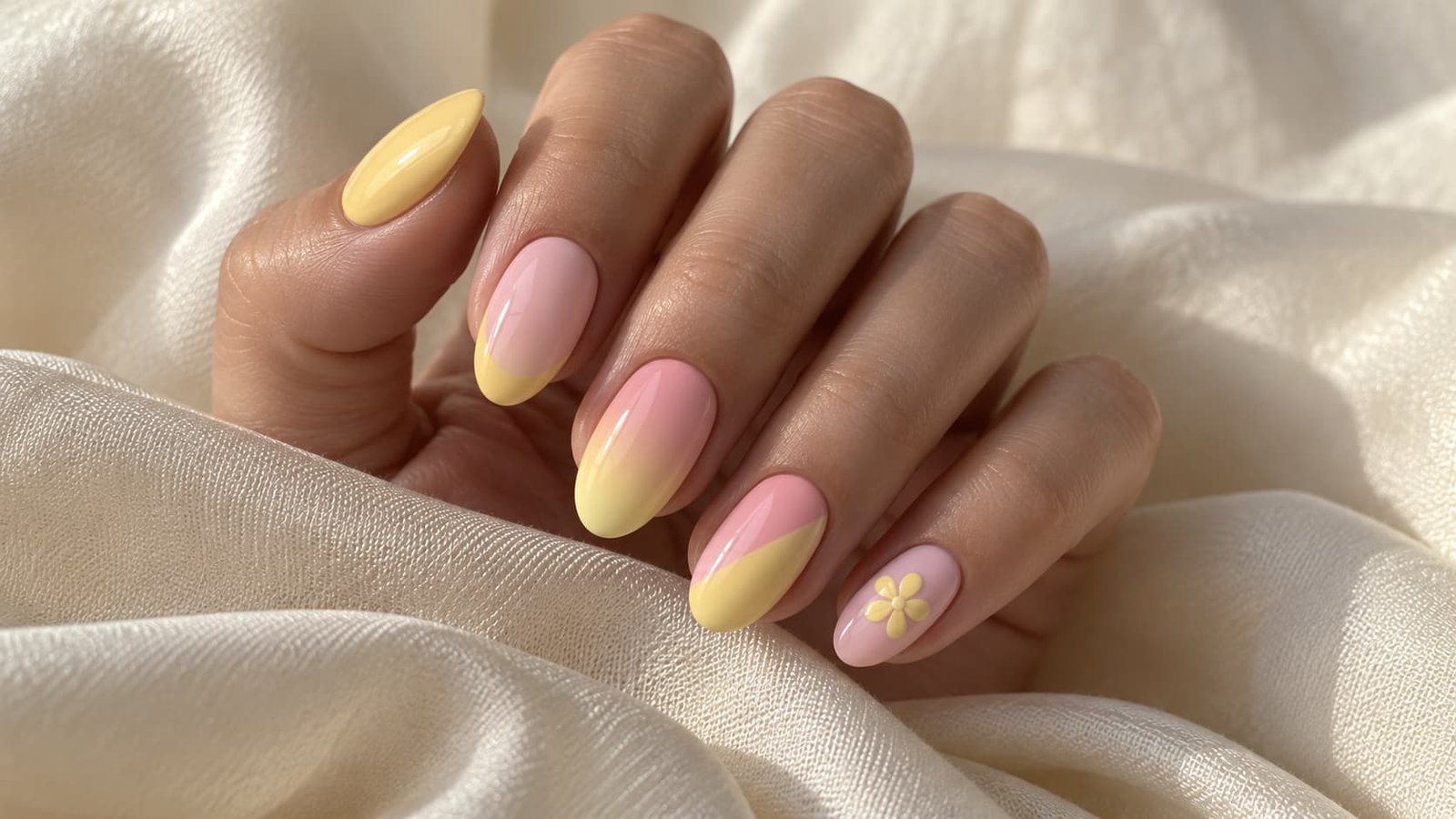

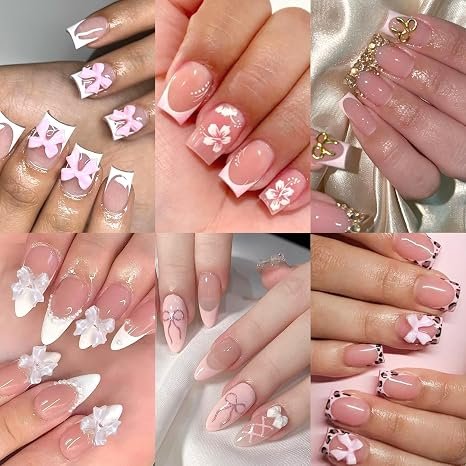
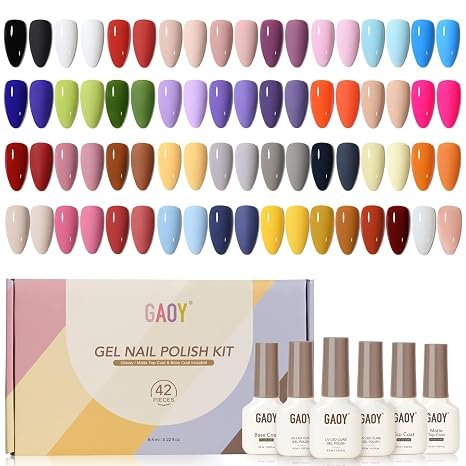
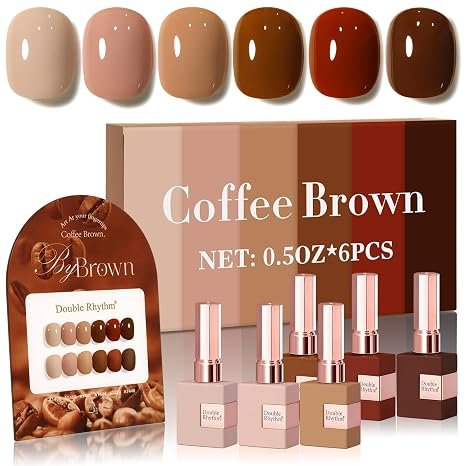
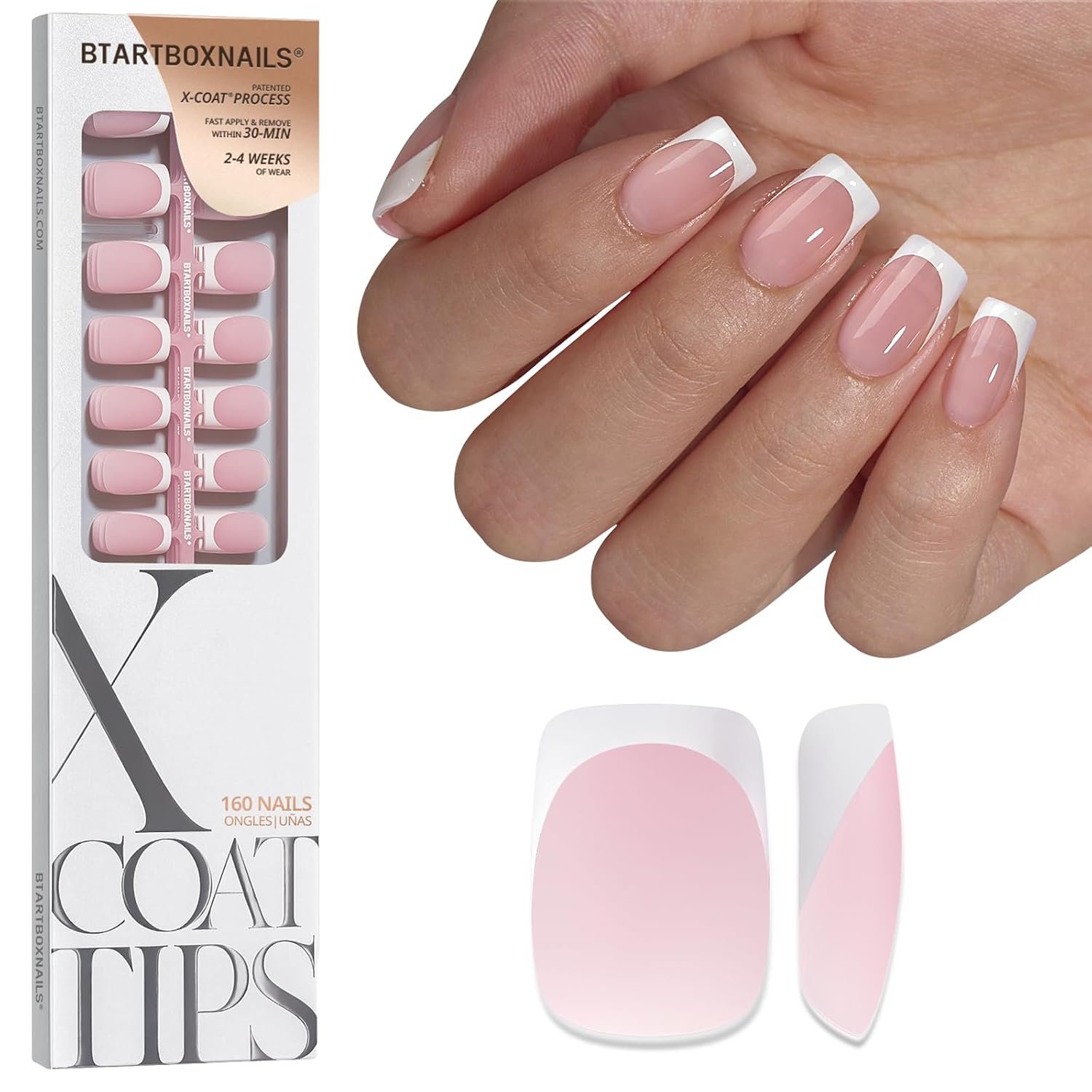
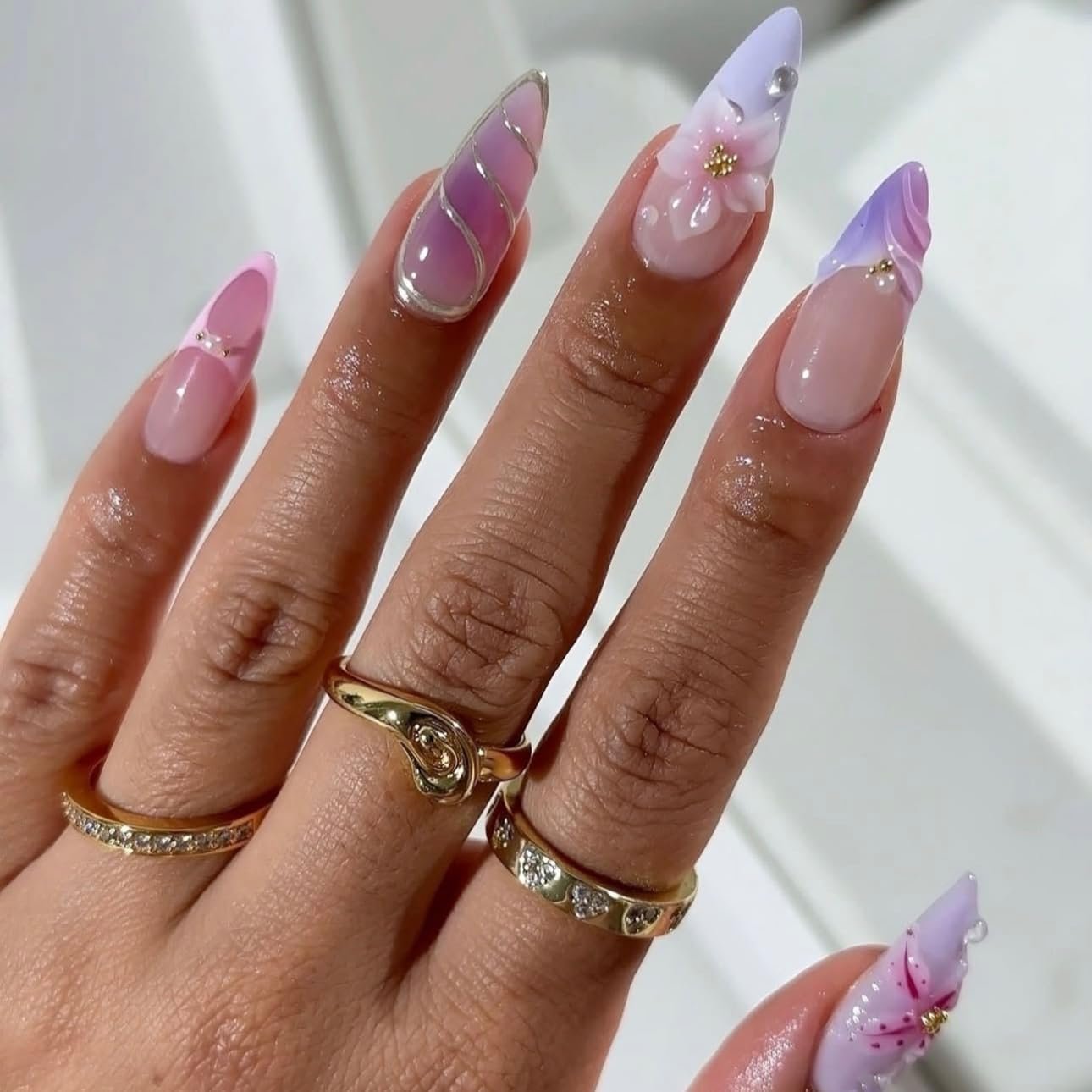
Pink and yellow nails can create a soft, playful, or bold manicure depending on the shades you choose. Light pink and pale yellow offer a gentle color combination, while hot pink and bright yellow create stronger contrast.
These colors can appear in French tips, ombre gradients, geometric patterns, or simple alternating nails. Even a small change in how the colors are arranged can give the design a different appearance.
This guide explores pink and yellow color combinations, distinct nail art ideas, and practical details to consider when choosing a design.
What Makes Pink and Yellow Nails a Distinctive Color Combination?
Pink and yellow offer several possibilities because both colors come in light, bright, warm, and muted shades.
Soft pink paired with pastel yellow creates a gentle contrast. These shades can be used together without adding complicated patterns or extra colors.
Brighter combinations have a different character. Hot pink and vivid yellow are more noticeable, particularly when they appear next to each other in clearly defined sections.
The balance between the colors also matters. Pink can cover most of the nail with yellow appearing in smaller details, or both colors can occupy similar areas.
This flexibility allows the same two-color palette to create either a simple manicure or a more decorative design.
Which Pink and Yellow Color Combinations Work Well Together?
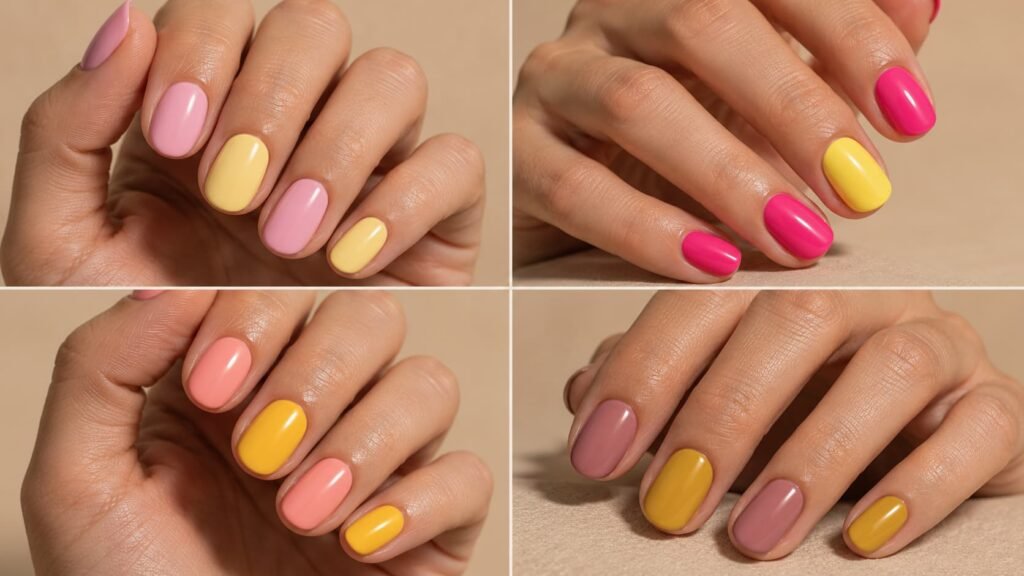
The exact shades can make a noticeable difference in the overall appearance. Some pairings have similar levels of brightness, while others create contrast through depth or intensity.
Baby Pink and Butter Yellow
Baby pink and butter yellow create a light, delicate color combination. Baby pink has a soft rosy appearance, while butter yellow adds a creamy, warm tone.
These shades can be placed on alternating nails or combined within narrow French tips. A baby pink background with small butter yellow details is another possibility.
This pairing also fits a soft spring-inspired color palette. For other light colors and seasonal patterns, explore these cute spring nail ideas.
Hot Pink and Lemon Yellow
Hot pink and lemon yellow create a bright, high-contrast pairing.
Hot pink has a strong rosy tone, while lemon yellow introduces a vivid citrus-like color. Their contrast can be emphasized through sharp lines, bold tips, or separate blocks of color.
For example, hot pink can cover one diagonal section of a nail while lemon yellow fills the remaining area.
This combination suits designs where the contrast between the two shades is intended to be a main visual feature.
Peach Pink and Golden Yellow
Peach pink and golden yellow share warm undertones, giving them a more connected appearance than some cooler pink-and-yellow combinations.
Peach pink has a gentle orange influence, while golden yellow brings a deeper yellow tone.
These shades can be arranged in soft gradients or curved sections. A peach-colored base with golden yellow details along one edge is another option.
This pairing offers a warmer alternative to pastel pink and lemon yellow.
Dusty Rose and Mustard Yellow
Dusty rose and mustard yellow create a deeper, more muted color combination.
Dusty rose is a subdued pink that often has grayish undertones. Mustard yellow has a warm, earthy appearance that differs from bright lemon yellow.
These shades can be combined in simple geometric patterns, split-color nails, or alternating solid manicures.
A dusty rose background with a small mustard yellow section can introduce contrast without using highly saturated colors.
What Are the Different Pink and Yellow Nail Design Ideas?
Beyond choosing the shades, the pattern determines how the colors interact. Some styles use separate areas of color, while others rely on blending, repeated shapes, or decorative artwork.
Alternating Pink and Yellow Nails
Alternating nails keep the two colors separate, with each nail covered in one solid shade.
For example, the thumb, middle finger, and little finger can be pink, while the remaining fingers are yellow.
The arrangement can also change between hands. Using matching finishes across the nails keeps attention on the color combination rather than additional details.
This is a simple option that does not require patterns or decorative accents.
Two-Tone French Tip Nails
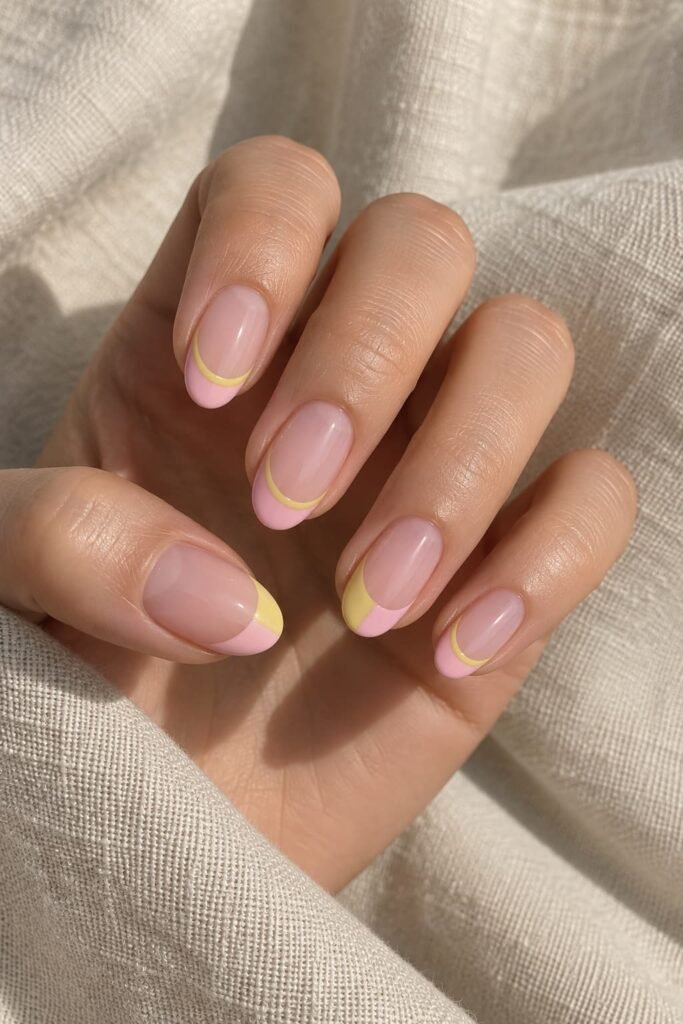
Two-tone French tips place pink and yellow along the free edge of the nail.
One variation divides the tip into two sections, with pink on one side and yellow on the other. Another uses a pink tip with a narrow yellow line following its lower curve.
A sheer or nude-looking base can leave the colored edges as the main feature.
The tips may be curved, angled, or slightly asymmetrical, depending on the preferred design.
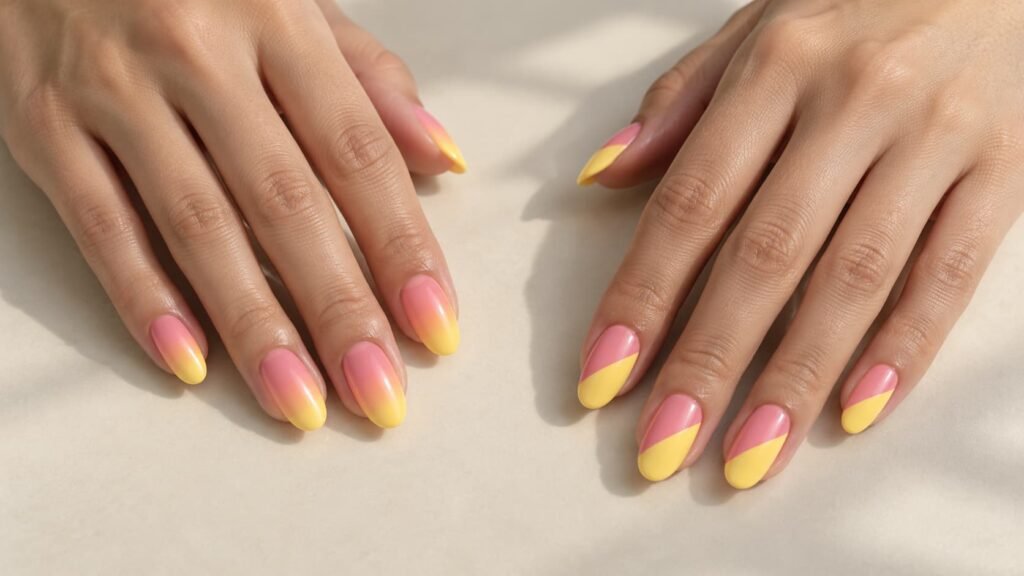
Pink-to-Yellow Ombre Nails
Pink-to-yellow ombre nails use a gradual transition rather than a visible dividing line.
Pink can begin near the base of the nail and blend toward yellow at the tip. Reversing the direction creates another arrangement.
Depending on the selected shades, the blended area may have a peach or orange-looking appearance.
Pale shades create a softer transition, while saturated colors make the gradient more noticeable.
Diagonal Color-Block Nails
Diagonal color-block nails divide the surface into two distinct sections.
One section is pink, while the other is yellow. A straight line runs diagonally across the nail, keeping the two areas clearly separated.
The direction can remain consistent across all fingers or alternate between nails.
Unlike an ombre design, the colors do not gradually blend into each other. The defined boundary is the main feature.
Pink and Yellow Checkerboard Nails
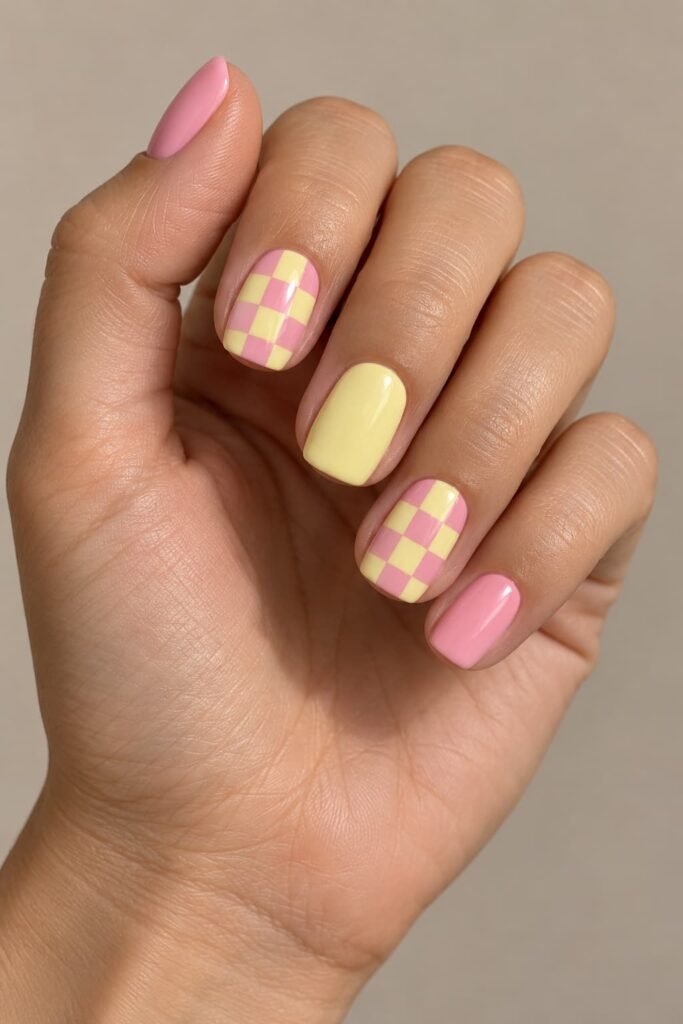
Checkerboard nails use alternating pink and yellow squares to create a structured pattern.
The squares may cover the full nail or appear within a smaller area near the tip.
Larger squares make the individual colors more visible, while smaller squares create a more detailed design.
Another possibility is to use the checkerboard pattern on selected accent nails and keep the remaining nails in solid colors.
Pink and Yellow Floral Accent Nails
Floral accent nails introduce small flower details without requiring artwork on every finger.
A pale pink nail can feature a small flower with yellow petals and a deeper pink center. Another option uses a yellow background with a simple pink blossom near one corner.
The flower can appear near the cuticle, along one side, or toward the tip.
Keeping the floral detail on selected nails allows the surrounding solid colors to remain visible.
For more information about floral patterns and placement, see these flower nail designs.
Pink and Yellow Abstract Swirl Nails
Abstract swirl nails use flowing, curved lines rather than repeated geometric shapes.
Pink and yellow curves can move across a sheer base, with some areas left uncovered. The lines may run diagonally or follow the sides of the nail.
Thin swirls create a lighter pattern, while wider curves occupy more of the nail surface.
The artwork does not have to match exactly across every finger. Different curved arrangements can still share the same two-color palette.
How Does Color Placement Change the Look of Pink and Yellow Nails?
Color placement determines which shade becomes the main visual focus. A manicure with mostly pink can look different from one that uses mostly yellow, even when the exact same shades are involved.
Pink Base With Yellow Accents
A pink base makes pink the dominant color, while yellow provides smaller decorative details.
For example, yellow can appear as a thin curved line, a small shape near the tip, or a limited section along one edge.
This arrangement allows pink to remain the main background without excluding yellow from the design.
Yellow Base With Pink Accents
Using yellow as the background places more visual emphasis on the yellow shade.
Pink can appear in narrow outlines, small motifs, or selected sections over the yellow surface.
A pale yellow background with soft pink details creates a different contrast from bright yellow paired with hot pink.
Equal Pink and Yellow Color Distribution
An equal distribution gives both shades a similar visual presence.
This can be achieved by dividing individual nails into two similarly sized sections or using an equal number of pink and yellow nails across both hands.
The colors do not need to appear in identical positions. Their placement can vary while maintaining an overall two-color balance.
How Can Pink and Yellow Designs Be Adapted for Different Nail Lengths?
Pink and yellow designs can be adapted for short, medium, and long nails. The main difference is the visible space available for artwork.
Short nails can feature narrow French tips, small flowers, diagonal color sections, or simple alternating shades. A limited number of details may be easier to distinguish on a smaller surface.
Medium-length nails provide additional room for checkerboard patterns, curved lines, and gradients. These designs can be placed across the nail without requiring the entire surface to be decorated.
Long nails offer more space for extended color transitions, larger geometric sections, and layered artwork. The shape also influences the pattern. For example, a curved line may follow an almond tip, while a straight color division can complement a square edge.
A longer nail does not need a more complicated pattern. Simple two-color designs remain an option at any length.
Should You Choose Minimal or Detailed Pink and Yellow Nails?
Minimal and detailed manicures differ mainly in how much decorative artwork appears on the nails.
A minimal design may use alternating solid shades, thin colored tips, or one small accent nail. The focus stays on the colors and their placement.
A more detailed design can include geometric shapes, flowers, curved lines, or several patterns across different fingers.
When multiple patterns are used, repeating the same shades can visually connect the designs. Solid-colored nails between decorative accents can also provide separation.
Neither approach is necessarily better. Minimal designs place more attention on the color combination, while detailed designs introduce additional shapes and visual elements.
What Should You Consider Before Choosing a Pink and Yellow Nail Design?
Several visual details can help narrow down the options before selecting a particular pattern.
Shade intensity and contrast: Pale pink and soft yellow create a gentler contrast than hot pink and lemon yellow. Consider whether you want the colors to appear similarly soft or noticeably different.
Pattern size and nail space: Large flowers and complex geometric patterns occupy more surface area than thin lines or small dots. The design should be scaled to the available space if you want individual details to remain distinct.
Glossy, matte, or sheer finishes: Glossy finishes reflect light, while matte finishes reduce visible shine. Sheer finishes allow some of the underlying nail or base color to remain visible. These differences affect the appearance of the selected shades.
Neutral base or two solid colors: A clear, sheer, or nude-looking base can provide visible space around colored details. Using only pink and yellow creates a more direct two-color design without introducing a separate background shade.
Thinking about these elements together can help you choose a manicure that matches your preferred level of color and detail.
Frequently Asked Questions About Pink and Yellow Nails
Do pink and yellow look good together on nails?
Yes. Pink and yellow can create either a gentle or bold color combination. Pale shades offer softer contrast, while brighter shades create a more noticeable difference. The final appearance depends on the particular colors and how they are arranged.
What shade of pink goes best with pastel yellow?
Baby pink, blush pink, and soft peach pink can complement pastel yellow. Baby pink creates a light, rosy combination, while peach pink introduces warmer undertones. The choice depends on the color palette you prefer.
Can you combine pink and yellow without using another color?
Yes. Both colors can be used alone in alternating solid nails, color-block patterns, or blended gradients. A neutral or third accent color is optional rather than necessary.
Are pink and yellow French tips suitable for short nails?
Yes. Short nails can feature narrow two-tone French tips or a thin line of one color alongside the other. The width and shape of the tip can be adjusted to the available nail space.
What is the difference between pink and yellow ombre and color-block nails?
Ombre nails gradually blend pink into yellow without a sharp boundary. Color-block nails use separate sections with clearly defined edges. Ombre focuses on the transition between shades, while color blocking emphasizes their separation.
Final Thoughts
Pink and yellow nails offer different visual possibilities through shade selection, pattern, and color placement. Soft combinations can create a delicate appearance, while bright or muted shades provide alternative color directions.
French tips, ombre gradients, geometric patterns, and floral accents each offer a different way to use the two colors.
Whether you prefer a simple manicure or more decorative artwork, choosing a clear color direction and arranging the details around it can help create a cohesive design.