Babylights are very fine highlights used to create subtle brightness and dimension in the hair. Instead of using broad sections of lighter color, the technique works with small strands that can blend closely with the surrounding base shade.
The finished look can be soft or more noticeable. Much depends on the starting hair color, the difference between the base and highlighted shades, and where the lighter strands are placed.
Babylights are often discussed alongside traditional highlights and balayage, but they are not the same technique. Their defining feature is the use of very fine highlighted sections.
What Are Babylights?
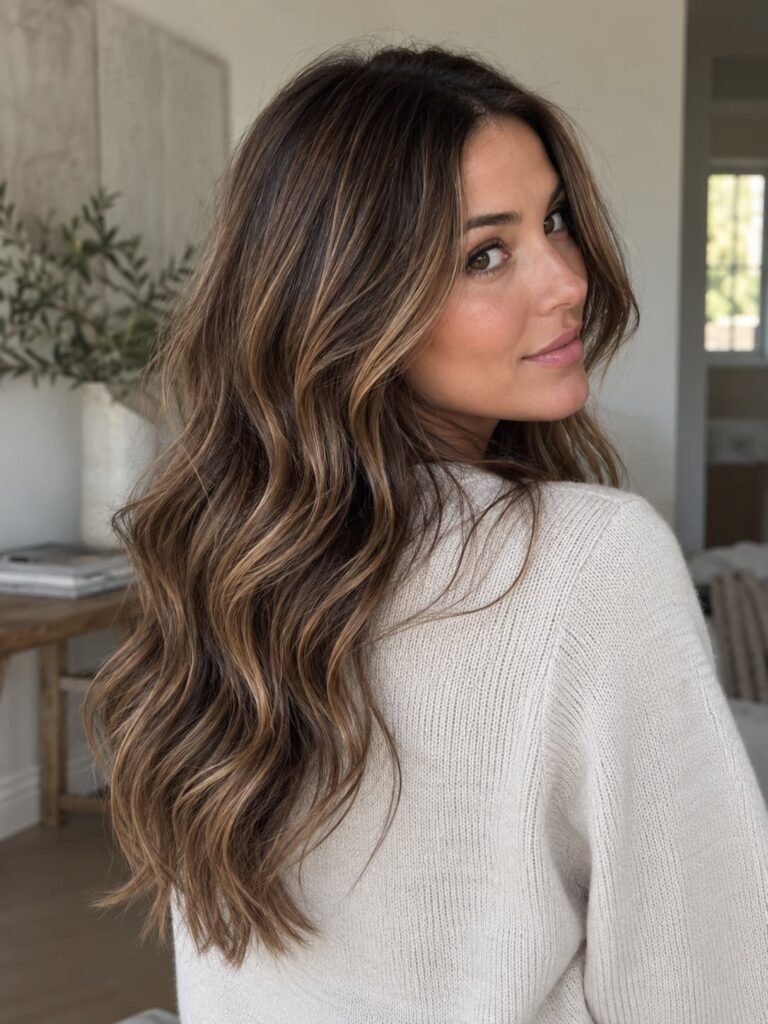
Babylights are a highlighting technique that uses small, finely selected sections of hair.
These sections are lightened or colored to introduce narrow pieces of brightness rather than wide ribbons of contrasting color. The technique may be used throughout the hair or concentrated in selected areas, such as around the face or along the part.
The term describes the size and placement of the highlights rather than one specific hair color. Babylights are often blonde, but other tones may also be used depending on the base color and the intended finish.
Main Visual Characteristics of Babylights
The most recognizable feature of babylights is their fine size.
Because the highlighted strands are narrow, the lighter color can appear more evenly mixed with the base. This often creates a softer transition than a pattern made with wider sections.
The hair may show small changes in brightness rather than large blocks of light and dark color. Fine pieces can also add visible dimension around areas where the highlights are concentrated.
How subtle they appear depends on contrast. A shade that stays relatively close to the base color may create a restrained result. A much lighter shade can remain clearly visible even when the highlighted strands are very fine.
Hair texture can also change how the color is displayed. On straight hair, individual lighter strands may be easier to follow from root to length. Waves and curls can show the color in separate sections as the hair bends and moves.
Why Babylights Look Different From Wider Highlights
Section size is one of the main reasons babylights look different from wider highlights.
A wider highlighted section contains more hair, which can create a broader ribbon of lighter color. Babylights divide that brightness into finer pieces.
Spacing also matters. Closely placed fine highlights can create more overall brightness, while wider spacing allows more of the base color to remain visible.
Contrast and tone influence the result as well. For example, fine caramel pieces on brown hair may create relatively gentle variation, while pale blonde pieces against a much darker base may stand out more strongly.
Traditional highlights are not automatically bold or chunky. They can also be applied in subtle ways. The main distinction is that babylights specifically rely on very fine sections, while other highlighting patterns can use a wider range of section sizes.
How Babylights Work
Babylights are created by selecting small sections of hair and applying color or lightener to those chosen strands.
This changes selected pieces rather than the entire base color. The original shade remains visible between the highlighted sections, which helps create contrast and dimension.
Foils are commonly used with babylights because they allow fine sections to be kept separate during the coloring process. The exact placement can vary according to how much brightness is wanted and where it should be most visible.
The finished appearance is influenced by several elements working together: section size, spacing, placement, base color, contrast, and final tone.
Fine Sectioning and Placement
Fine sectioning is central to the babylights technique.
Small strands are selected instead of broad sections. They may be positioned close together when more brightness is wanted or spaced farther apart for a more restrained effect.
Placement determines where that brightness appears.
Fine pieces around the front hairline can emphasize the face-framing area. Highlights near the part may be more visible from the top, while sections placed throughout the hair can distribute the lighter color more widely.
The amount of highlighted hair also changes the overall impression. A dense pattern of fine sections may make the hair appear lighter as a whole, while fewer sections can leave much more of the original base color visible.
How Base Color and Contrast Affect the Result
Base color and contrast strongly influence how noticeable babylights appear.
When the highlighted shade is close to the starting color, the difference may be subtle. Medium brown hair with slightly lighter brown or caramel pieces is one possible example of a lower-contrast combination.
A larger difference between the shades can create a stronger visual effect. Fine blonde pieces against dark brown hair, for example, may remain easy to see despite their small size.
Tone changes the character of the color as well. Golden, beige, caramel, copper, neutral, and cooler shades can create different finishes even when they are similar in lightness.
For this reason, “fine highlights” does not automatically mean “barely visible highlights.” The relationship between the base shade and the chosen highlight color matters just as much as the size of the sections.
The Role of Toning After Lightening
Toning may be used after selected strands have been lightened to refine their final color.
Lightening changes how light or dark the selected pieces are. A toner or gloss can then help adjust their tone toward the intended finish.
For ongoing color care, a purple shampoo may be one option for blonde or lightened babylights when unwanted yellow or brassy tones become noticeable.
Toning is not identical for every babylight result. The need for it and the final tone can vary according to the starting color, the result after lightening, and the desired shade.
This is why two sets of babylights with a similar level of brightness can still look noticeably different. Section size creates the fine highlighted pattern, while placement, contrast, and tone shape the overall color result.
Babylights vs Traditional Highlights
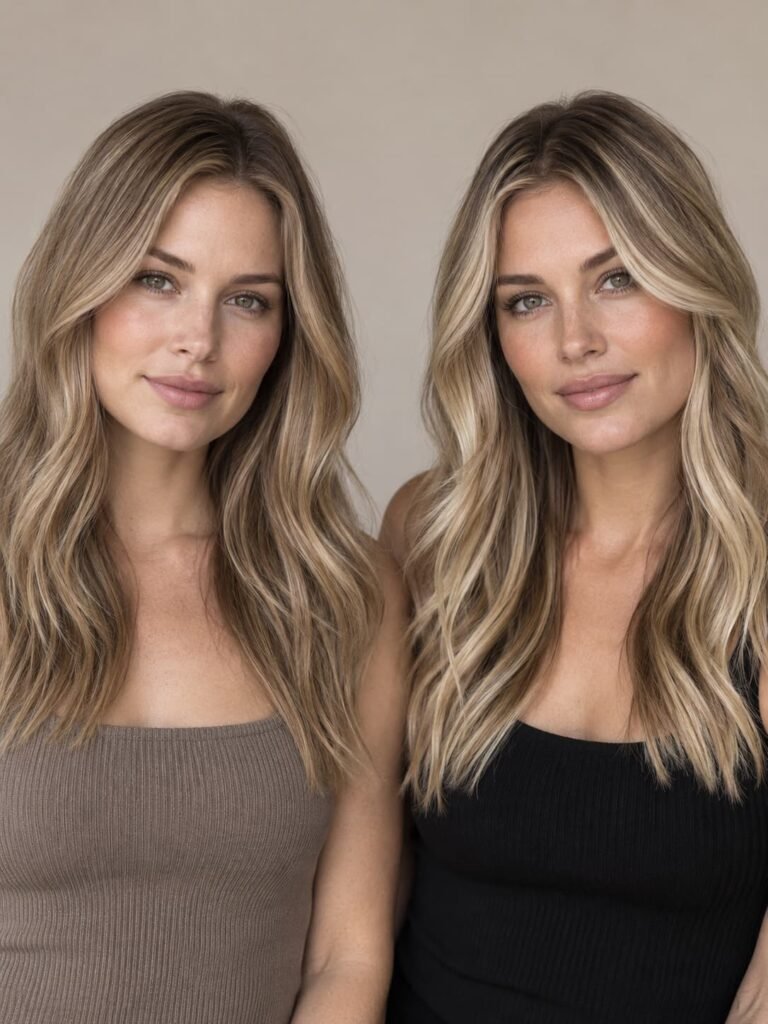
Babylights are a type of highlight, but they use especially fine sections of hair. Traditional highlights can use a wider range of section sizes, from delicate strands to broader ribbons of color.
Both techniques can add brightness and dimension. The main difference is how the highlighted hair is divided and how visible those sections appear in the finished color.
Difference in Section Size
Babylights use very small sections of hair. These fine strands allow the lighter color to be distributed in narrow pieces rather than wider bands.
Traditional highlights are more flexible in size. They can be fine and subtle or wider and more noticeable, depending on the intended look.
Because babylights use smaller sections, they can blend closely with the surrounding base color. However, section size alone does not determine whether the result will look subtle.
Difference in Contrast and Overall Appearance
Contrast has a major effect on how visible any highlight looks.
When babylights are only slightly lighter than the base color, the difference may appear soft. A much lighter shade against a darker base can create stronger contrast even when the highlighted strands are very fine.
Wider highlights may create more obvious ribbons of color because more hair is included in each section. Babylights tend to break that brightness into smaller pieces.
Traditional highlights are not automatically bold or chunky. They can also create a blended result. Section size, spacing, placement, base color, and tone all influence the final appearance.
Someone looking for very fine pieces of brightness may prefer babylights, while wider highlights are one possible option when more visible sections of color are wanted.
Babylights vs Balayage
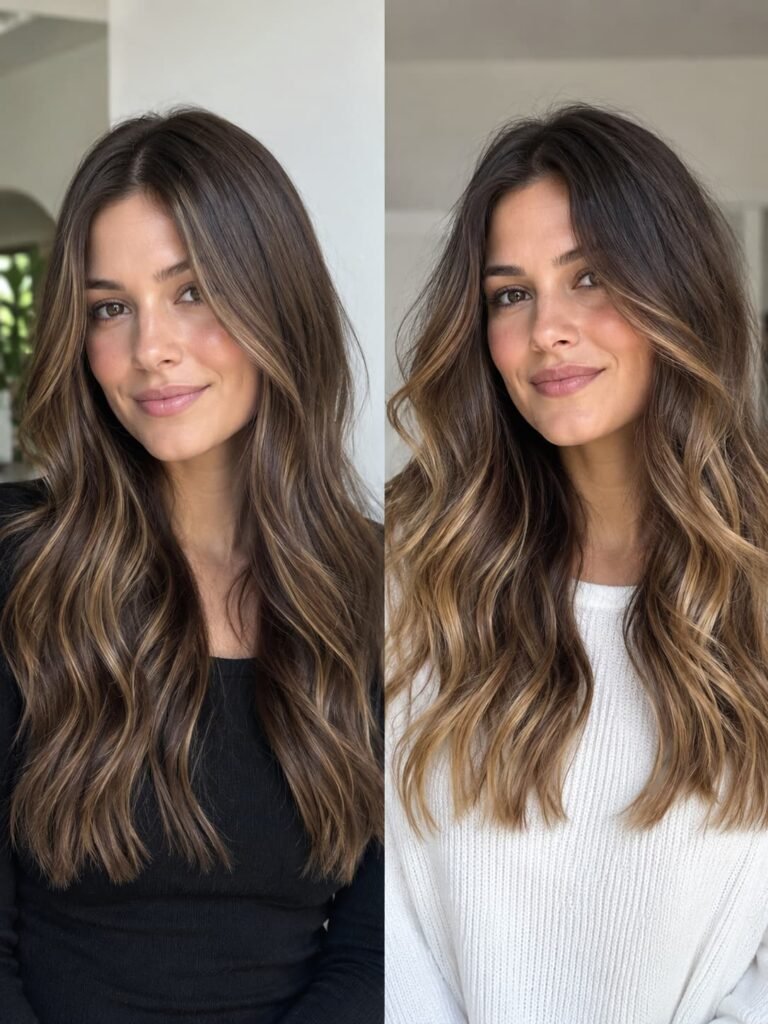
Babylights and balayage both add selected areas of color to the hair, but the terms describe different parts of the coloring process.
Babylights are mainly defined by the fine size of the highlighted sections. Balayage is a freehand technique in which lightener or color is painted onto selected areas of the hair.
This difference affects how the brightness is distributed.
Placement and Application Differences
Babylights can be placed in fine sections around the hairline, through the part, or across larger areas of the hair. Foils are commonly used, although babylights are not limited to one application method.
Balayage uses freehand painting rather than a repeated pattern of finely separated sections. The color can be concentrated where more brightness is wanted and blended into the surrounding hair.
As a result, babylights may appear as narrow strands mixed through the base color, while balayage can create broader or more gradual areas of lightness.
Neither technique has one fixed appearance. Placement and contrast can make either result restrained or more noticeable.
Can Babylights and Balayage Be Combined?
Yes. Babylights and balayage can be used within the same color design.
One possible approach is to use fine babylights around the hairline or upper sections and balayage through selected mid-lengths and ends. This can combine smaller strands of brightness with broader painted areas.
The balance does not have to be the same for every look. More of one technique and less of the other can be used depending on where the color is meant to appear.
The final effect will also depend on the base shade, placement, contrast, and chosen tones.
How Babylights Can Look on Different Hair Colors
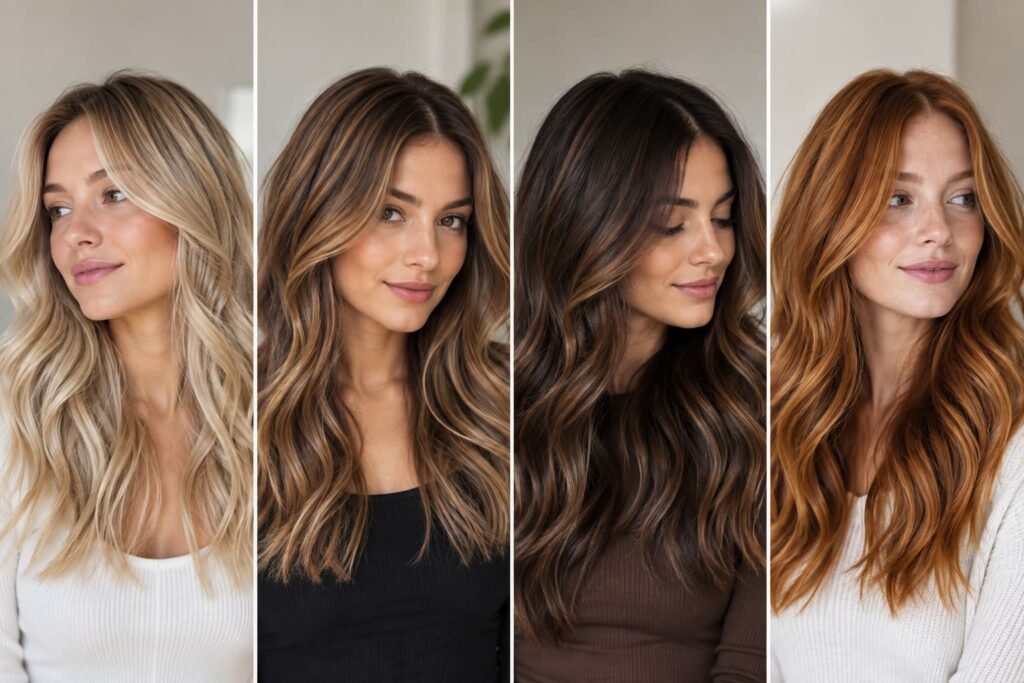
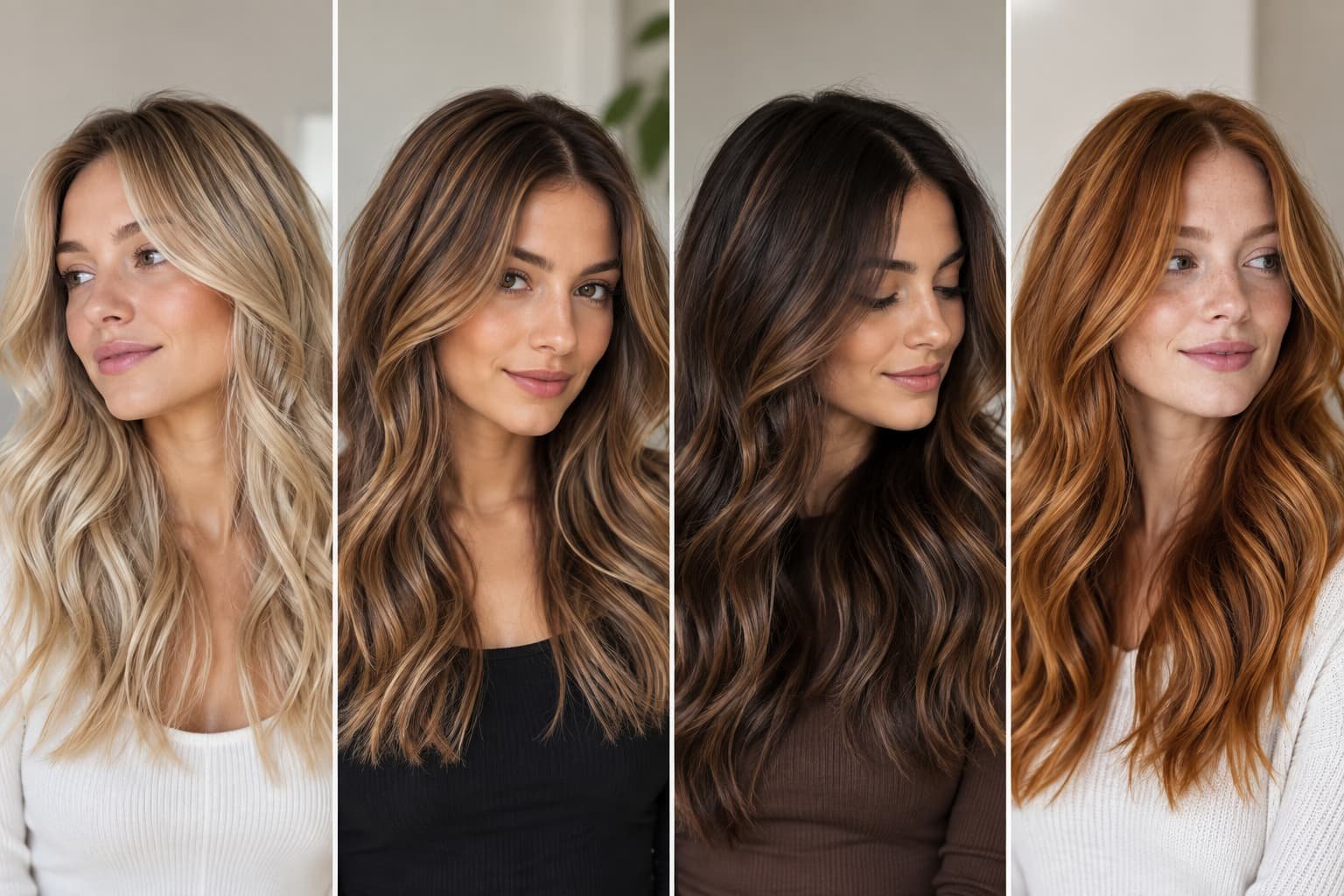
Babylights can be adapted to different base colors rather than being limited to blonde hair.
How they appear depends largely on the relationship between the existing shade and the highlighted color. Closely related shades can create gentle variation, while a larger difference in lightness can make the highlights more visible.
Tone matters too. Warm, neutral, beige, golden, caramel, copper, and cooler shades can create different overall color effects.
Babylights on Blonde Hair
On blonde hair, babylights can introduce small variations between different blonde tones.
A darker blonde base, for example, may be paired with lighter blonde pieces for added dimension. When the two shades are relatively close, the transition can appear soft.
Tone provides another option for changing the look. Golden shades can create a warmer finish, while beige or cooler blondes may give the color a more muted appearance.
Placement can also be adjusted. Fine pieces near the hairline or part may create more visible brightness in those areas without changing every section of the hair.
Babylights on Brown and Brunette Hair
Brunette hair offers several possible levels of contrast.
Lighter brown or caramel babylights can be used when a smaller difference from the base is preferred. Beige, golden, or blonde pieces are other possible options when more visible brightness is wanted.
For example, caramel strands on medium brown hair may create gentle tonal variation. A much lighter blonde against a deeper brunette base can stand out more clearly.
Warm and cool tones also change the character of the result. The better choice depends on the existing shade and the type of contrast someone wants to create.
Babylights on Dark Hair
On very dark brown or black hair, even fine highlights may be easy to see when the selected shade is much lighter than the base.
For a lower-contrast approach, deep brown, chocolate, or muted caramel tones are possible options. They can introduce variation while staying relatively close to the starting color.
Lighter caramel, beige, or blonde shades create a greater difference from a dark base and may therefore look more noticeable.
This is an important distinction: using fine sections does not automatically create a barely visible result. Contrast between the two colors still plays a major role.
Babylights on Red and Copper Hair
Babylights can also be used with red and copper shades.
The highlighted color does not have to be blonde. One possible approach is to keep the lighter pieces within the same warm color family.
Copper hair, for example, may be paired with lighter copper or golden-toned strands. Auburn hair may use copper, warm brown, or subtly lighter pieces to introduce variation.
Using related tones can keep the overall appearance closely connected to the base color. Much lighter pieces are another option when stronger contrast is preferred.
As with other base colors, the final effect depends on the difference in lightness, tone, placement, and amount of highlighted hair.
How Placement Changes the Look
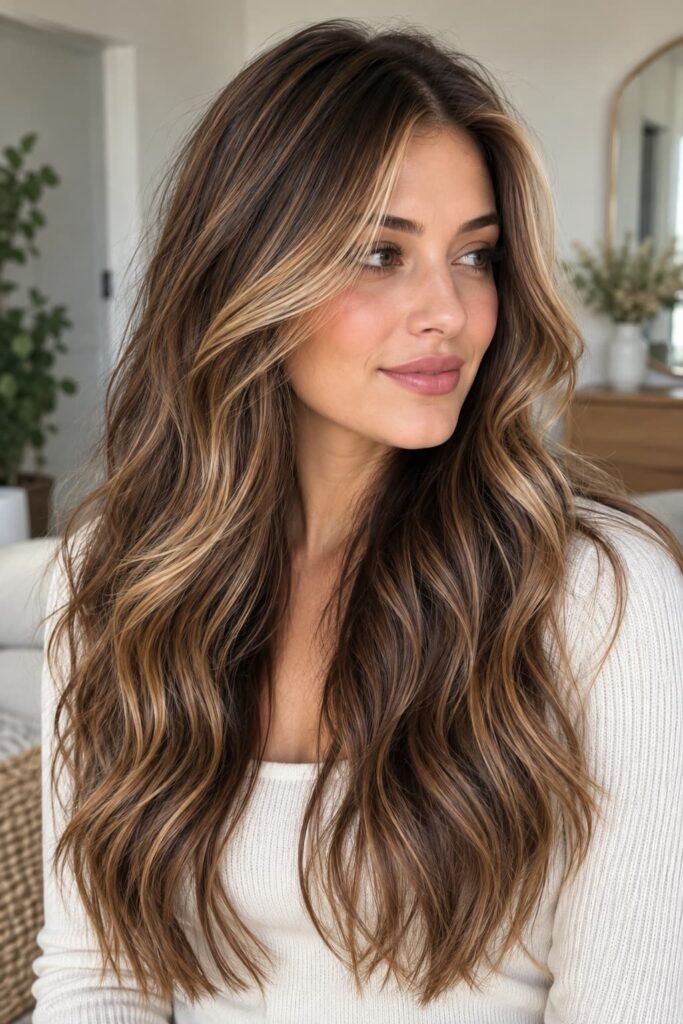
Placement affects where babylights are most visible and how much of the original base color remains noticeable.
Fine highlights can be concentrated in selected areas or distributed more widely through the hair. A smaller, focused placement may create brightness in specific sections, while broader placement can change the overall color more noticeably.
Face-Framing Babylights
Face-framing babylights are fine highlights placed around the front sections of the hair.
This placement can bring lighter color closer to the hairline without requiring highlights throughout the entire head. The effect may be subtle when the chosen shade is close to the base color, or more noticeable when there is stronger contrast.
One possible approach is to keep the brightest pieces near the front while using fewer highlights elsewhere. This can maintain more of the original base shade through the rest of the hair.
Face-framing babylights can also be combined with a more distributed highlighting pattern when additional dimension is wanted.
Babylights Around the Part and Crown
Fine highlights can also be placed around the part and upper sections of the hair.
Because these areas are often visible when the hair falls naturally, lighter pieces placed there may have a noticeable effect on the overall appearance.
Closer spacing can create more brightness through the upper sections, while wider spacing leaves more of the base color visible between the highlights.
The result can also change depending on where the hair is parted and how the style is worn.
Partial vs More Distributed Babylight Placement
Babylights do not have to cover the same amount of hair in every color design.
A partial placement may focus on selected areas such as the hairline, part, or upper sections. This can add targeted brightness while leaving much of the original color unchanged.
A more distributed approach places fine highlights across a larger area of the hair. When more sections are used, the overall color may appear lighter or more dimensional.
Neither option is automatically better. Someone who wants only a small change may prefer more selective placement, while broader distribution is one possible option when more visible brightness is wanted throughout the hair.
How Hair Length and Texture Affect the Appearance
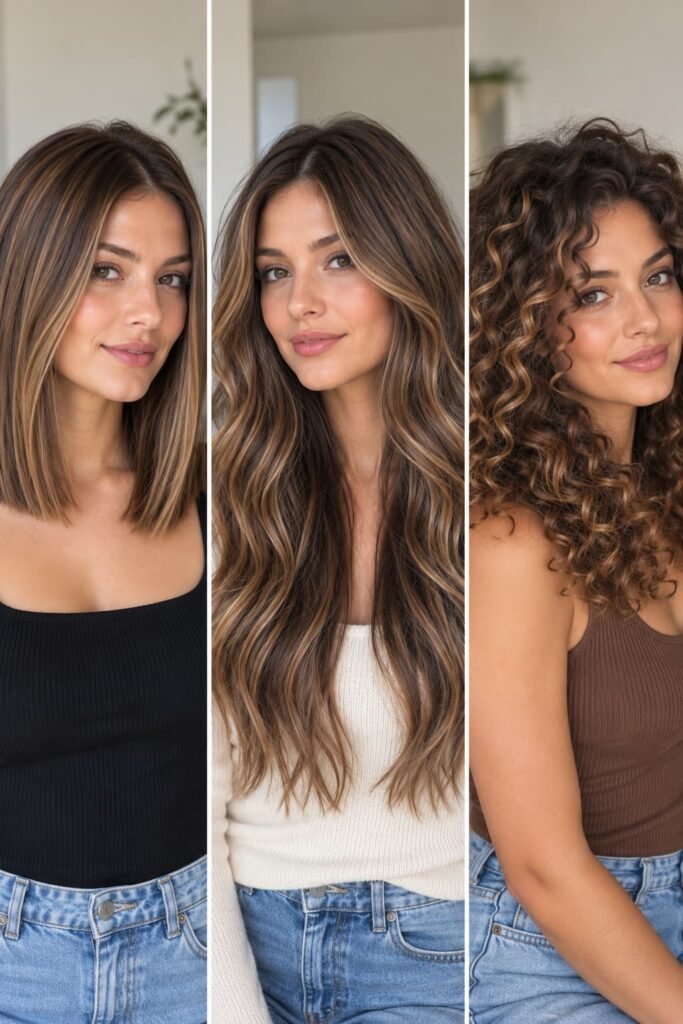
The same fine highlighting technique can look different depending on the length, shape, and texture of the hair.
Length affects how much space there is for highlighted strands to remain visible, while layers, waves, and curls can change how different sections of color are exposed.
Babylights on Short and Medium-Length Hair
On short and medium-length cuts, babylights can add narrow areas of lighter color without relying on broad highlights.
On a bob or lob, fine strands may be visible through the surface and around the front of the cut. Layers can also reveal different pieces of color as sections overlap.
Shorter hair offers less length for the highlighted strands to travel through, so the position of each section can have a noticeable influence on the finished look.
Medium-length hair provides more room for the color to appear through both the upper sections and the lengths. Fine highlights may be concentrated near the face, spread through layers, or distributed more evenly.
Babylights on Long Hair
Long hair provides more length for fine highlighted strands to appear through the hairstyle.
Babylights may begin near the upper sections and continue through the lengths, or they may be concentrated in selected areas.
On layered long hair, lighter pieces can appear at different levels as the layers separate. This can create visible variation without requiring wide sections of color.
Babylights can also be combined with another highlighting technique when a mixture of fine and broader brightness is preferred.
The final effect still depends on the amount of highlighted hair, placement, contrast, and tone.
Straight, Wavy, and Curly Hair
Hair texture changes how highlighted color is displayed.
On straight hair, individual lighter strands may be easier to follow along the length because the hair tends to fall in a more consistent direction.
On wavy hair, bends in the strands can reveal lighter and darker sections at different points. This may make the highlights appear as changing areas of brightness rather than continuous straight lines.
On curly hair, fine highlights may become visible through individual curls or groups of curls as the hair turns and overlaps.
These are visual tendencies rather than fixed results. Curl pattern, density, haircut, styling, placement, and contrast can all change how noticeable the highlighted sections appear.
Warm, Cool, and Neutral Babylight Tones
Babylights can be created in warm, cool, or neutral tones. Tone refers to the color character of the highlighted strands rather than simply how light or dark they are.
The same level of brightness can look quite different depending on whether the shade leans golden, ashy, beige, copper, or neutral.
Warm Babylights
Warm tones include shades with golden, copper, caramel, honey, or similar warm qualities.
These colors can be used with blonde, brunette, red, or copper bases.
For example, caramel babylights on medium brown hair are one possible option for creating a warm dimension. Golden blonde pieces can also be paired with a darker blonde base.
How noticeable the warmth appears depends on the surrounding base color and the amount of contrast.
Cool-Toned Babylights
Cool-toned babylights may include ash, cool beige, muted blonde, or cooler brown shades.
These colors contain less obvious golden or copper warmth and can create a more muted appearance.
One possible option is to pair ash or cool beige highlights with a neutral or cooler blonde base. Cooler light-brown pieces can also be used with brunette hair.
The final effect can vary because the starting shade and the highlighted tone work together.
Neutral Babylights
Neutral tones sit between strongly warm and strongly cool shades.
Neutral blonde, balanced beige, or neutral light brown are possible examples.
These shades may appeal to someone who does not want the highlights to look strongly golden or noticeably ashy.
A neutral tone can still appear lighter or darker depending on the base color, so tone and contrast should be considered separately.
Who May Prefer Babylights?
Babylights may appeal to people who want fine pieces of brightness rather than broad sections of highlighted color.
They can be adapted in many ways, but the finished look depends on the starting shade, contrast, placement, and amount of highlighted hair.
When a Subtle Color Change Is the Goal
Babylights can be one option when the goal is to keep much of the base color visible while adding lighter strands.
A highlight shade that stays fairly close to the starting color may create gentle variation. Fine pieces around the hairline or part can also introduce brightness without changing every section of the hair.
Someone who prefers a more understated change may choose this type of placement and contrast.
However, babylights are not automatically subtle. Very light strands against a dark base can still be clearly visible.
When Another Highlighting Technique May Make More Sense
Another technique may be more suitable when the desired result involves broader or more graduated areas of brightness.
Traditional highlights can be used when wider ribbons of color are preferred.
Balayage is another option when the goal is freehand-painted brightness through selected areas, often with a more gradual transition through the lengths.
Wider face-framing highlights may also make more sense when strong contrast at the front is wanted.
The choice depends on the intended appearance rather than one technique being better in every situation.
Maintenance and Regrowth Considerations
Maintenance depends on the specific color design rather than the word “babylights” alone.
The difference between the base and highlighted shades, where the color starts, and how much of the hair is highlighted can all affect how noticeable changes become as the hair grows.
There is no single maintenance schedule that applies to every babylight result.
What Can Affect How Regrowth Looks
Contrast is one factor that can change how visible the root area appears over time.
When the highlighted shade is close to the natural or base color, the transition may appear softer. A much lighter shade against a darker base can create a clearer difference as new growth becomes visible.
Placement also matters.
Highlights that begin close to the root may show the change in color more clearly as the hair grows. A softer or more blended starting point may produce a less defined transition.
Hair parting and styling can also change which sections of regrowth are most visible.
Factors That Influence Ongoing Maintenance
Several visual factors can influence how often someone feels their color needs refreshing:
- the contrast between the base and highlighted shades
- how much of the hair contains highlights
- where the lighter strands are placed
- changes in the tone of the color over time
- how much visible regrowth the person is comfortable with
These factors do not create one fixed timetable.
Someone who prefers the highlights to look close to their original placement may choose a different maintenance approach from someone who is comfortable with a more grown-out appearance.
Considerations for Previously Colored or Lightened Hair
Existing color history is worth considering before adding new highlights.
Hair that has already been colored may have a different starting point from hair that has not previously been colored, even when the visible shades look similar.
This matters because the intended babylight color needs to be considered in relation to what is already present in the hair.
The exact coloring process should not be assumed from appearance alone. Previous color history, current shade, and the desired result are all relevant when deciding what kind of color change may be possible.
What to Consider Before Choosing Babylights
The most useful decisions usually involve the starting shade, desired contrast, color history, tone, and placement.
Thinking about these factors first can give a clearer idea of what type of babylight result is being considered.
Starting Hair Color
Starting color affects how visible the lighter sections may appear.
When the highlight shade is close to the base, the result can look more blended. A larger difference in lightness can produce stronger contrast.
For example, caramel on medium brown hair is one possible lower-contrast combination. Pale blonde pieces on a much darker brunette base would create a more obvious difference.
These are style examples rather than fixed rules.
Desired Level of Contrast
Contrast describes how different the highlighted strands look from the surrounding base color.
Lower contrast may create smaller changes in brightness while allowing the base shade to remain visually dominant.
Higher contrast makes the fine sections easier to see and can create a more noticeable highlighted effect.
Very fine sectioning does not remove this difference. The relationship between the two colors still matters.
Existing Hair Color History
Current visible color does not always describe the full color history of the hair.
Previous highlights, darker color, lighter color, or other coloring services may still be relevant when planning another change.
For this reason, existing color history is a practical factor to consider alongside the current shade.
The article does not assume that previously colored hair will produce any specific result, since that depends on the individual starting point and intended color.
Undertone and Placement
Tone affects the character of the highlighted color, while placement determines where that color appears.
Warm pieces can create a different visual effect from cool or neutral ones, even when they are similar in lightness.
Placement near the face may make the lighter sections especially visible from the front. Highlights around the part or crown can influence how bright the upper areas appear.
A more distributed pattern can spread the color across a larger portion of the hair.
Looking at tone, contrast, and placement together can make it easier to decide whether the goal is a restrained change or a more visible highlighted result.
Frequently Asked Questions About Babylights
Are babylights only for blonde hair?
No. Babylights describe very fine highlighted sections rather than one specific hair color.
They can be used with blonde, brunette, red, copper, and other base shades. The highlighted tone can also vary depending on the starting color and the type of contrast wanted.
Can brunettes get babylights?
Yes. Babylights can be used on brunette hair.
Lighter brown, caramel, beige, golden, or blonde pieces are possible options. A shade that stays relatively close to the brown base may create a softer effect, while a much lighter shade can make the fine highlights more noticeable.
Are babylights the same as highlights?
Babylights are a type of highlight, but they are created with especially fine sections of hair.
Traditional highlights can use a wider range of section sizes. They may be delicate or more visible depending on the placement, spacing, and color contrast.
The main distinction is that babylights specifically use very fine highlighted strands.
Are babylights the same as balayage?
No. They describe different coloring approaches.
Babylights are defined mainly by the fine size of the highlighted sections. Balayage is a freehand technique in which lightener or color is painted onto selected areas of the hair.
The two techniques can also be combined when both fine highlights and broader painted areas of brightness are wanted.
Can babylights be added only around the face?
Yes. Babylights can be concentrated around the front hairline or other face-framing sections instead of being distributed throughout the entire head.
They may also be placed around the part, crown, or across a larger area of the hair. The placement depends on where the lighter color is intended to appear.
Do babylights involve lightening the hair?
Babylights commonly involve lightening selected fine strands when the goal is to make them brighter than the existing base color.
The technique itself describes the fine highlighted sections rather than one fixed product, formula, or processing method. The exact color process can vary with the starting shade and intended result.
Are babylights low maintenance?
Babylights can produce relatively soft-looking regrowth in some color designs, particularly when there is less contrast between the base and highlighted shades.
However, they should not be treated as automatically low maintenance. Highlights that begin close to the root can become more visible as the hair grows, especially when the lighter shade contrasts strongly with the base color.
Placement, contrast, the amount of highlighted hair, and personal preference all influence ongoing upkeep. There is no single maintenance schedule that applies to every babylight result.