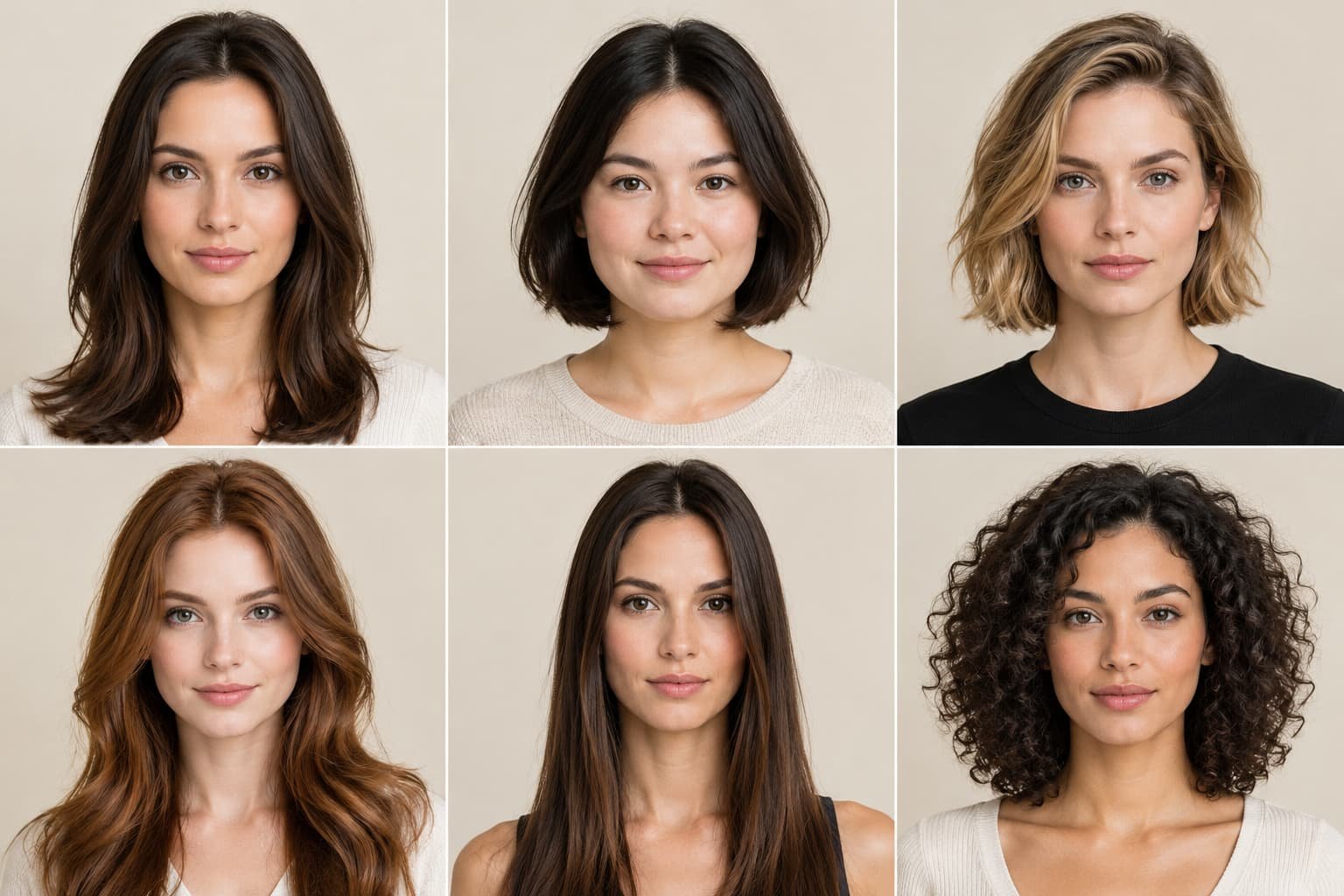

Choosing a haircut becomes easier when you understand your facial features and how different styles can frame them. Some haircuts add movement around the cheeks, while others create a sharper outline or draw attention to the eyes. The best choice also depends on your hair texture, preferred length, and daily styling routine.
If you are searching for a haircut for my face shape, start by identifying your general face shape and exploring styles that complement your natural features. Face shape can help you narrow down your options, but it does not determine which haircuts you can wear. Personal preference and comfort matter just as much.
How to Identify Your Face Shape
Your face shape is determined by the proportions and outline of your forehead, cheekbones, jawline, and overall face length. Looking at these features together can help you identify a general shape.
Common face shapes include oval, round, square, heart-shaped, oblong, and diamond-shaped. Some people have a combination of features, so you may not fit perfectly into one category.
To make the process easier, pull your hair away from your face and look at your reflection in a well-lit room. You can also use a front-facing photograph taken with your head straight and your facial expression relaxed. Focus on your natural proportions rather than small differences in individual features.
Which Facial Features Should You Measure?
Four areas can help you compare your facial proportions:
- Forehead: Notice the width of your forehead in relation to your cheeks and jawline.
- Cheekbones: Identify the widest part of your face. Your cheekbones may be more prominent than your forehead or jaw.
- Jawline: Observe whether your jawline looks rounded, tapered, or relatively angular.
- Face length: Compare the distance from your hairline to your chin with the width of your face.
You do not need exact measurements to get a general idea of your face shape. Visual comparisons are often enough to identify the features that stand out most.
How to Compare Your Forehead, Cheekbones, and Jawline
Once you have observed these areas, consider how they relate to one another.
An oval face generally appears longer than it is wide, with balanced proportions. A round face often has fuller cheeks and a softly curved outline. A square face usually has a broader forehead and a more defined jawline.
A heart-shaped face commonly has a wider forehead and a narrower chin. An oblong face appears noticeably longer than it is wide, while a diamond-shaped face often has prominent cheekbones with a narrower forehead and chin.
These descriptions are general guides rather than strict definitions. Your face may combine features from two categories, and that is completely normal.
Best Haircuts for Different Face Shapes
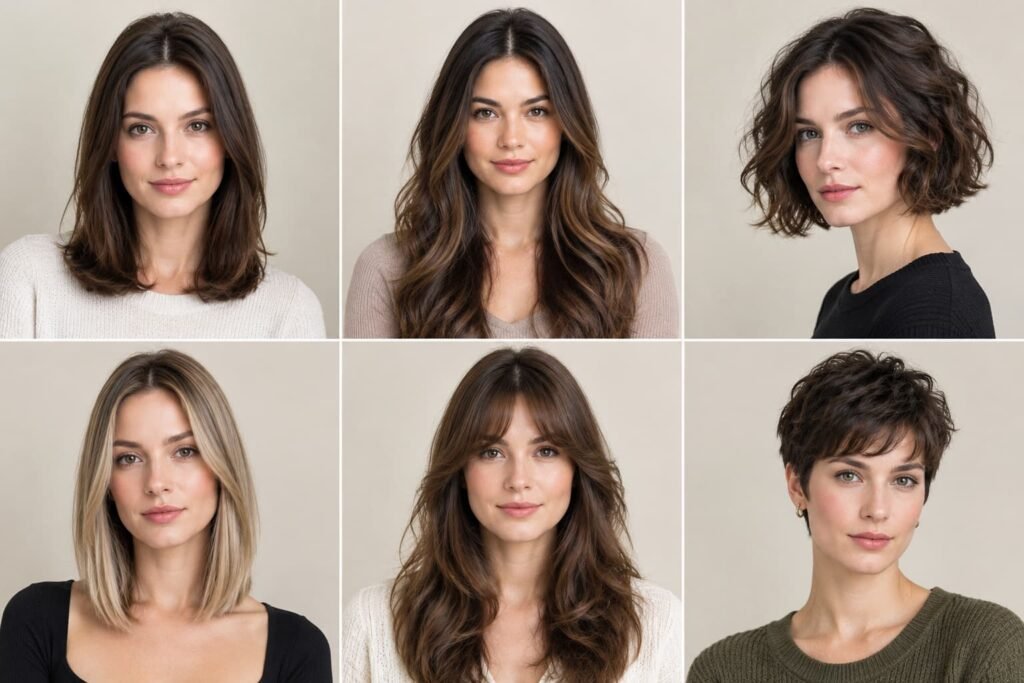
Different haircut shapes can change how your facial features appear. Layers introduce movement, bangs alter the framing around the forehead, and different lengths can change the overall outline of your hairstyle.
Use the following suggestions as inspiration rather than rules. The most suitable haircut will also depend on your hair density, natural texture, and preferred styling approach.
Haircuts That Complement an Oval Face
An oval face generally has balanced proportions, which makes it compatible with many haircut styles. You can explore short, medium, or long hair without needing to correct a particular facial feature.
A blunt bob creates a clean, defined outline, while a layered lob adds movement around the shoulders. Long layers can keep length while giving the hair a softer shape. Curtain bangs or side-swept bangs can also introduce a different look around the forehead.
If you prefer short hairstyles, a textured pixie cut can create a modern, relaxed appearance. The amount of layering and fringe can be adjusted to suit your hair texture and personal style.
For a low-maintenance option, consider how the haircut will fall naturally when you do not spend much time styling it.
Haircuts That Complement a Round Face
A round face typically has fuller cheeks and a softly curved outline. Some people prefer haircuts that introduce vertical lines, movement, or definition around the face.
A long bob that falls below the chin can create a more elongated visual outline. Long layers can add movement, while a side part can introduce asymmetry. Face-framing layers that begin below the cheekbones are another option to consider.
If you prefer longer hair, soft waves and cascading layers can create a flowing shape without making the hairstyle look heavy. Curtain bangs that blend into longer sections may also work well.
Short hair is an option, too. A textured pixie or an asymmetrical bob can provide definition and personality. You do not need to avoid rounded bobs or full fringes simply because you have a round face.
Haircuts That Complement a Square Face
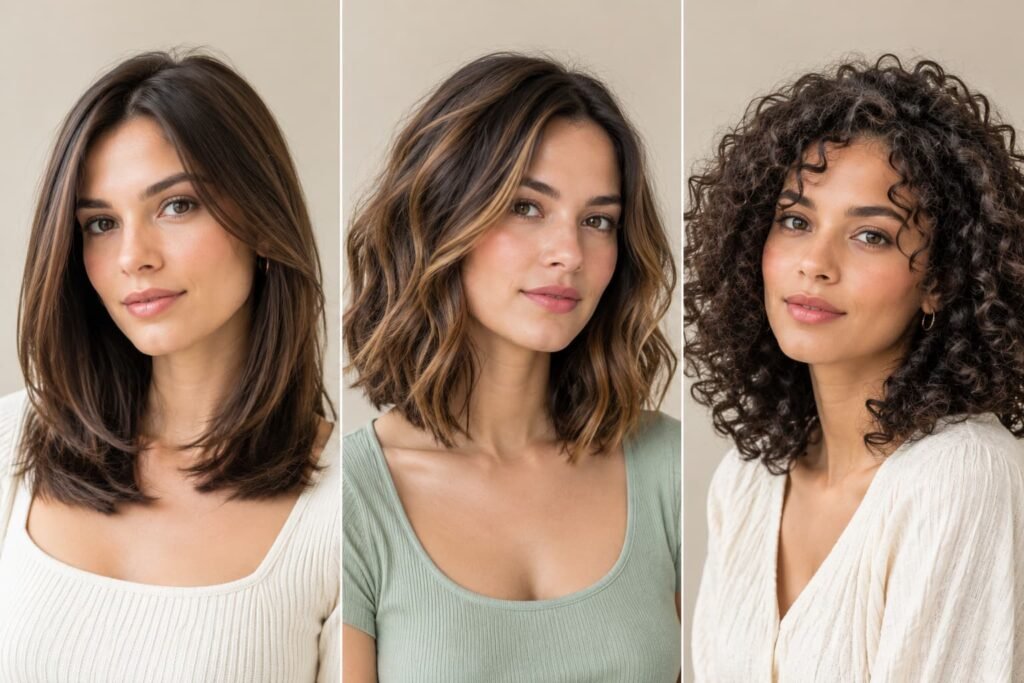
A square face often features a relatively broad forehead, prominent cheekbones, and a defined jawline. Haircuts with soft movement can complement these features, while structured cuts can emphasize them.
A layered lob offers a balance between length and movement. Long, face-framing layers can create a softer outline around the jaw, and curtain bangs can add a gentle curve near the forehead.
A shag haircut is another option if you prefer texture and a relaxed appearance. For shorter hair, a textured pixie with a soft fringe can create contrast with the angular outline of the face.
Blunt bobs and straight cuts can also look striking on square faces. Your choice depends on whether you prefer a smooth, geometric style or a softer, layered finish.
Haircuts That Complement a Heart-Shaped Face
A heart-shaped face often has a wider forehead and cheekbone area with a narrower chin. Haircuts that introduce movement around the lower half of the face can help create a balanced overall appearance.
A chin-length bob can draw attention toward the jawline, while a shoulder-length lob offers more length and styling flexibility. Soft layers around the chin can add movement without removing too much fullness from the ends.
Side-swept bangs can change the appearance of the forehead, while curtain bangs provide a softer frame. If you prefer long hair, face-framing layers that continue toward the chin can connect the upper and lower sections of the hairstyle.
A textured pixie is another possibility if you like short hair. Consider how the fringe, crown volume, and side sections work together rather than choosing a haircut based on face shape alone.
Haircuts That Complement an Oblong Face
An oblong face generally appears longer than it is wide, often with relatively straight sides. Haircuts that add movement around the sides can create a different visual balance.
A shoulder-length cut with layers can introduce fullness around the cheeks. A blunt bob near the chin can create a wider-looking outline, while a wavy lob adds texture and movement.
Bangs are worth considering if you want to change the visual proportions of your face. Full bangs can create a horizontal line across the forehead, while curtain bangs offer a softer alternative.
If you prefer long hair, ask whether layers around the cheekbones would complement your natural texture. Very long, flat styles can emphasize face length, but they are not off-limits if that is the look you enjoy.
The best option is one that fits your preferred appearance and works with how your hair naturally falls.
Haircuts That Complement a Diamond-Shaped Face
A diamond-shaped face often has prominent cheekbones, a narrower forehead, and a narrower chin. Haircuts that frame the cheekbones while introducing softness around the forehead or jawline can be useful options to explore.
A layered bob can create movement around the lower face, while a shoulder-length cut with soft waves offers a fuller outline. Side-swept bangs can add interest near the forehead without creating a heavy fringe.
For longer hair, face-framing layers can soften the transition between the cheekbones and chin. If you prefer a shorter style, a textured pixie can highlight the eyes and cheekbones.
You can also choose a sleek, straight haircut if you prefer a more defined appearance. There is no single haircut that every diamond-shaped face needs to follow. Hair texture, styling preferences, and the overall shape of the cut all influence the final result.
How Hair Length, Layers, and Bangs Affect Your Look
The length and shape of a haircut can change the overall appearance of your hairstyle. Short cuts often create a more defined silhouette, while medium and long styles offer different ways to arrange layers, waves, and bangs. The right choice depends on the look you prefer, your natural hair texture, and how much time you want to spend styling your hair.
When choosing a haircut for your face shape, consider how each element works with the others. A fringe may change how your forehead is framed, while layers can introduce movement or create a more textured outline. Understanding these differences can help you compare hairstyles before deciding on a cut.
Choosing Between Short, Medium, and Long Haircuts
Short haircuts include pixie cuts, cropped bobs, and other styles that sit above the shoulders. They can create a defined shape and bring attention to facial features. A textured pixie offers a relaxed appearance, while a blunt bob provides a more structured outline. Some short cuts require regular trims or styling to maintain their shape.
Medium-length haircuts include shoulder-length styles and lobs. This length offers flexibility because you can wear the hair straight, add waves, or experiment with different partings. A layered lob introduces movement, while a one-length cut creates a simpler outline.
Long haircuts provide more length for different styling options, including loose waves, ponytails, and layered looks. Long layers can add movement without removing all the length. A one-length cut may suit people who prefer a more uniform outline.
Your face shape can help you explore these options, but it should not determine your decision by itself. Consider how the length will fit your daily routine and whether you prefer a style that can be worn naturally or requires regular styling.
How Face-Framing Layers Change a Hairstyle
Face-framing layers are shorter sections of hair that gradually blend into the rest of the haircut around the face. Their placement and length can change the way a hairstyle sits around the forehead, cheeks, and jawline.
Shorter face-framing pieces can create a noticeable outline around the cheeks, while longer layers offer a more gradual transition into the rest of the hair. Layers that begin near the chin can add movement around the lower face, whereas longer layers may preserve more of the original length.
Layering also affects the overall shape of a haircut. For example, long layers can create movement through the lengths, while shorter, more pronounced layers can produce a textured appearance.
Before choosing layered hair, consider your hair density and natural texture. Fine hair may look less full at the ends if too much length is removed through layering. Thick hair may benefit from carefully placed layers, depending on the desired shape.
You can bring reference photographs to a hairstylist and explain where you would like the layers to begin. This helps communicate the look you want without relying on a hairstyle name alone.
Which Bang Styles Should You Consider?
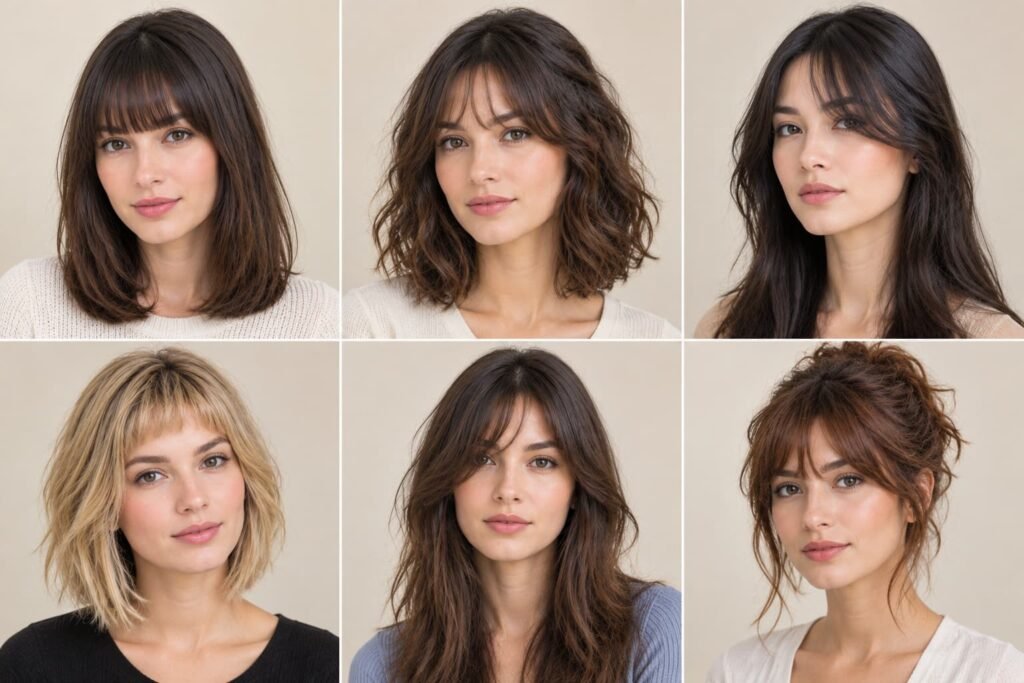
Bangs change the framing around your forehead and can give an existing haircut a different appearance. The best option depends on your preferred style, hair texture, and willingness to maintain the fringe.
Curtain bangs part near the middle and sweep toward the sides. They blend into longer sections of hair and can be paired with bobs, lobs, or long layers.
Side-swept bangs fall diagonally across the forehead. They offer an alternative to a straight fringe and can work with short, medium, or long haircuts.
Full bangs create a more defined line across the forehead. Depending on their length and thickness, they can produce a bold or softer appearance.
Wispy bangs have a lighter, less solid finish. They can complement layered hairstyles and provide a softer alternative to a dense fringe.
Textured bangs feature uneven lengths that create a less uniform outline. They can work with shaggy cuts, textured bobs, and some pixie styles.
Consider how your bangs will sit when your hair is dry and styled as usual. Some fringe styles need regular trimming or daily adjustment, so maintenance is worth considering before making a decision.
How to Choose a Haircut for Your Hair Texture
Your natural hair texture influences how a haircut falls, how much volume it appears to have, and how it responds to styling. A cut that looks smooth and structured on straight hair may have a different appearance on wavy or curly hair.
When comparing haircut ideas, look for reference photographs featuring hair with a texture and density similar to yours. This can give you a more realistic idea of how a style might look in everyday conditions.
Haircut Ideas for Straight and Fine Hair
Straight hair often shows the outline of a haircut clearly, making the shape and finish particularly noticeable. A blunt bob can create a clean edge, while a straight lob offers a little more length and styling flexibility.
For fine hair, a one-length cut or carefully placed layers may help retain the appearance of fullness at the ends. Very heavy layering can leave some fine hairstyles looking less dense, depending on the cut and the amount of hair removed.
If you prefer longer hair, ask about subtle layers that introduce movement without creating an overly thin outline. For a shorter style, a textured bob can add visual interest while maintaining a defined shape.
Your preferred finish matters, too. Sleek, straight styles emphasize the haircut’s outline, while loose waves create a softer, more relaxed appearance.
Haircut Ideas for Thick and Wavy Hair
Thick hair can support a variety of shapes, from blunt bobs to long, layered cuts. The amount and placement of layering can influence how much volume remains around the sides and ends.
A layered lob offers movement while retaining some length. Long layers can create a flowing shape, while a textured shag provides a more uneven, relaxed finish.
Wavy hair adds natural movement, although the result varies according to the wave pattern and how the hair is styled. A shoulder-length cut with layers can highlight those waves, while a longer cut may allow them to fall in a more elongated shape.
Before choosing a haircut, think about how much volume you want to keep. If you prefer a smoother silhouette, discuss the overall shape with your hairstylist. If you enjoy natural waves and texture, choose a cut that works with those features rather than requiring extensive daily styling.
What to Consider When Cutting Curly Hair
Curly hair can look different depending on the curl pattern, length, and styling method. The shape of the haircut matters because curls do not always fall in the same way as straight hair.
A layered curly bob can create a rounded silhouette, while a longer layered cut can distribute movement through the lengths. A curly shag offers a more textured appearance, with layers that create variation around the crown and sides.
It is useful to consider how much length you want to retain. Curly hair may appear shorter when it forms its natural curl pattern than when it is stretched straight. Discussing your usual styling method and preferred finished length can help clarify your expectations.
You should also consider how the haircut will look when your curls are worn naturally. Reference photographs with a similar curl pattern can be more useful than pictures of the same haircut on straight hair.
There is no single cut that works for every curl type. The aim is to find a shape that complements your natural texture and suits the way you prefer to wear your hair.
What to Consider Before Choosing a Haircut
Daily Styling Time and Maintenance
Think about your daily routine before choosing a haircut. Some styles are easy to manage with minimal styling, while others may require blow-drying, heat tools, or extra time to achieve the desired look.
For example, a textured pixie cut may be quick to style but need regular trims to maintain its shape. Longer layered hair offers different styling options, although the result depends on your natural texture and how you prefer to wear it.
Choose a haircut that fits the time and effort you are comfortable spending on your hair. If you prefer a simple routine, look for a style that works with your hair’s natural movement.
Matching a Haircut to Your Personal Style
Your face shape is only one part of choosing a haircut. Your personal style, preferred length, and the way you like to wear your hair are just as important.
You might prefer a classic bob, soft layers, a textured pixie, or long hair with face-framing pieces. Look for styles that match your preferences instead of choosing a cut simply because it is recommended for your face shape.
Reference photos can help you explain what you want to a hairstylist. Discuss the features you like, such as the length, fringe, or layers, and ask how the style could be adapted to your hair texture and everyday routine.
Frequently Asked Questions
How Do I Find the Best Haircut for My Face Shape?
Start by looking at your forehead, cheekbones, jawline, and overall face length to estimate your face shape. Then explore haircuts that appeal to you and consider how their length, layers, and bangs might frame your features. Your hair texture, styling habits, and personal preferences also matter, so use face-shape recommendations as a starting point rather than strict rules.
Can I Wear Short Hair With a Round Face?
Yes, short hair can suit a round face. A textured pixie, an angled bob, or a short layered cut are options to explore. The overall effect depends on the haircut’s shape, the placement of its layers, and how you style it. Choose a version that works with your natural hair texture and feels right for you.
Does Hair Texture Matter When Choosing a Haircut?
Yes. Straight, wavy, and curly hair can fall and hold its shape differently, which affects how a haircut looks. Hair thickness and density can also influence the result. Consider how your hair naturally behaves and discuss your usual styling routine with your hairstylist before deciding on a cut.
Should I Choose a Haircut Based Only on My Face Shape?
No. Face shape can help you explore different styles, but it should not determine your choice on its own. Hair texture, thickness, preferred length, maintenance needs, and personal style are also important. A suitable haircut should complement your features while fitting your preferences and daily routine.
Final Thoughts
Choosing a haircut becomes easier when you consider your face shape alongside your hair texture, preferred length, and lifestyle. These factors can help you narrow down your options without limiting you to a particular style.
Use hairstyle recommendations as inspiration rather than fixed rules. Save reference photos of cuts you like and discuss practical options with your hairstylist. The right choice is one that suits your preferences, works with your natural hair, and makes you feel comfortable wearing it.