
What Is a Shaggy Pixie Cut?
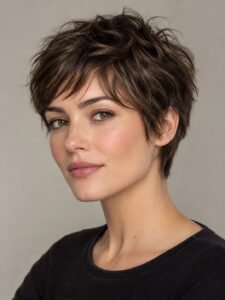
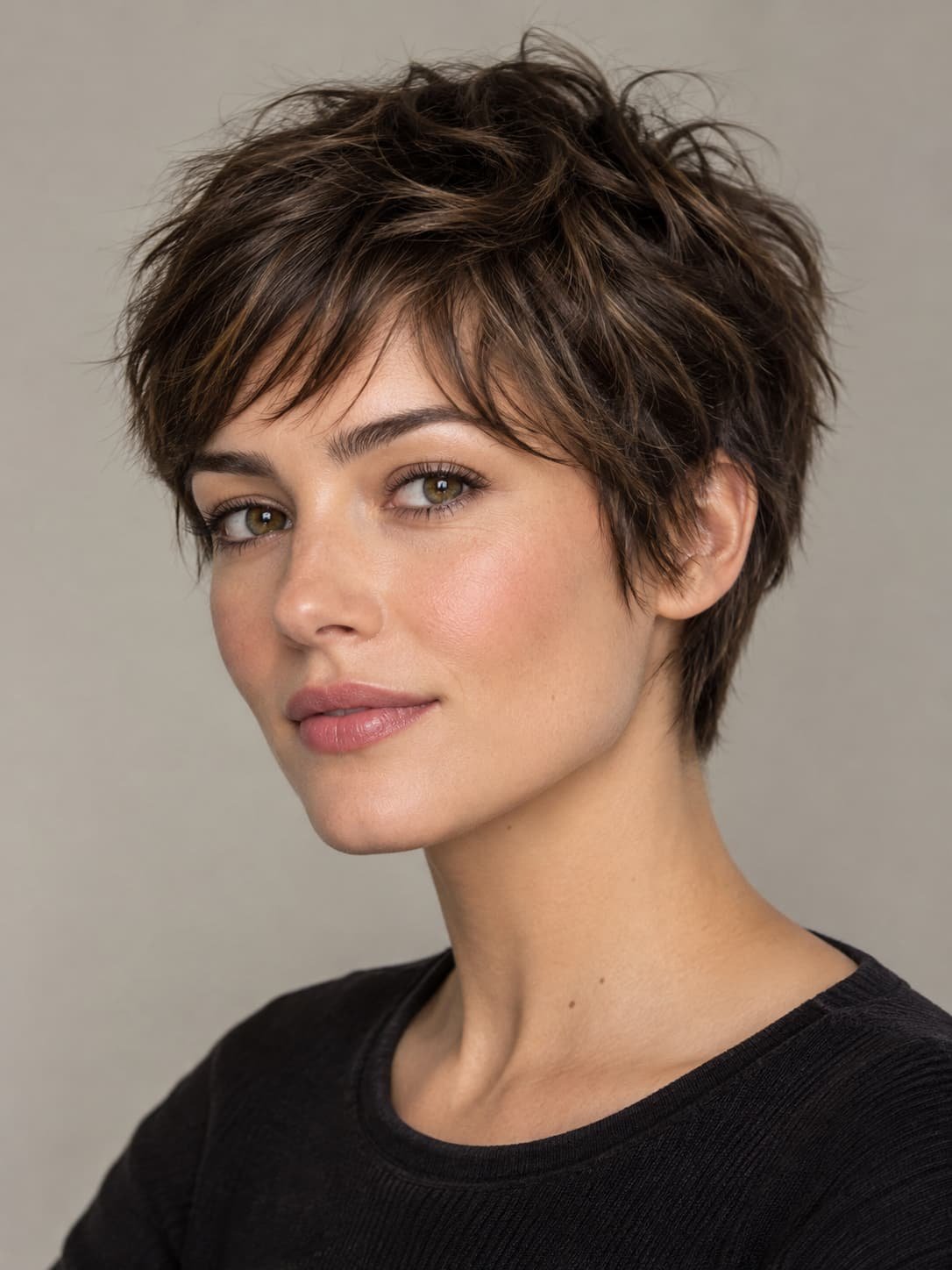
A shaggy pixie cut is a short hairstyle that combines the shape of a traditional pixie with choppy layers and a relaxed, textured finish. Instead of looking smooth and neatly structured, the hair has more separation and movement, creating an effortless appearance.
This haircut can be customized with different lengths, fringe styles, and layer placements. Some versions have closely cropped sides and a short crown, while others keep longer pieces around the forehead, ears, or neckline. These differences allow the cut to look soft and subtle or bold and edgy.
A shaggy pixie is not one fixed hairstyle. Its final appearance depends on the hair’s natural texture, density, and the way the layers are shaped. Looking at different variations can help readers understand which version best matches their preferred style and daily routine.
Key Features of a Shaggy Pixie Cut
The defining feature of this haircut is its textured shape. The layers, ends, and overall silhouette work together to create a style that looks less uniform than a classic pixie.
Choppy Layers and Textured Ends
Choppy layers give a shaggy pixie its characteristic uneven appearance. The hair is cut at different lengths to create separation rather than a single, solid outline. This can make the haircut look more dynamic without requiring a complicated styling routine.
Textured ends also help distinguish the style from a blunt or closely sculpted pixie. Depending on the cutting technique, the ends may appear soft, wispy, or more defined. The amount of texture should suit the hair’s density. Too much layering can make fine hair appear less full, while thicker hair may benefit from carefully placed layers that reduce excess bulk.
Crown Volume and a Tousled Finish
The crown is the upper area of the head, where shorter layers can create height and movement. In a shaggy pixie, the crown may be left slightly longer than the sides to give the hairstyle a fuller, more textured silhouette.
A tousled finish adds to the relaxed appearance. Hair can be shaped with the fingers and a small amount of lightweight styling product to separate individual sections. The result does not need to look perfectly arranged; natural movement is part of the style.
The amount of volume will vary depending on hair texture, density, and the haircut’s shape. Straight hair may need some styling to emphasize the layers, while naturally wavy hair may already have movement that complements the cut.
How Bangs Change the Overall Look
Bangs can significantly influence the appearance of a shaggy pixie. Wispy bangs create a light, soft finish, while side-swept bangs add direction and can blend into longer layers around the temples. Short, choppy fringe gives the haircut a more striking appearance.
Longer bangs provide additional styling flexibility because they can be swept to one side or blended into the top layers. Shorter fringe creates a more defined shape and may require regular trimming to maintain its length.
When choosing bangs, consider natural hair growth, forehead coverage, and the amount of daily styling you are comfortable with. Reference photos showing the front and side views can help communicate the desired length and shape to a hairstylist.
Popular Shaggy Pixie Cut Variations
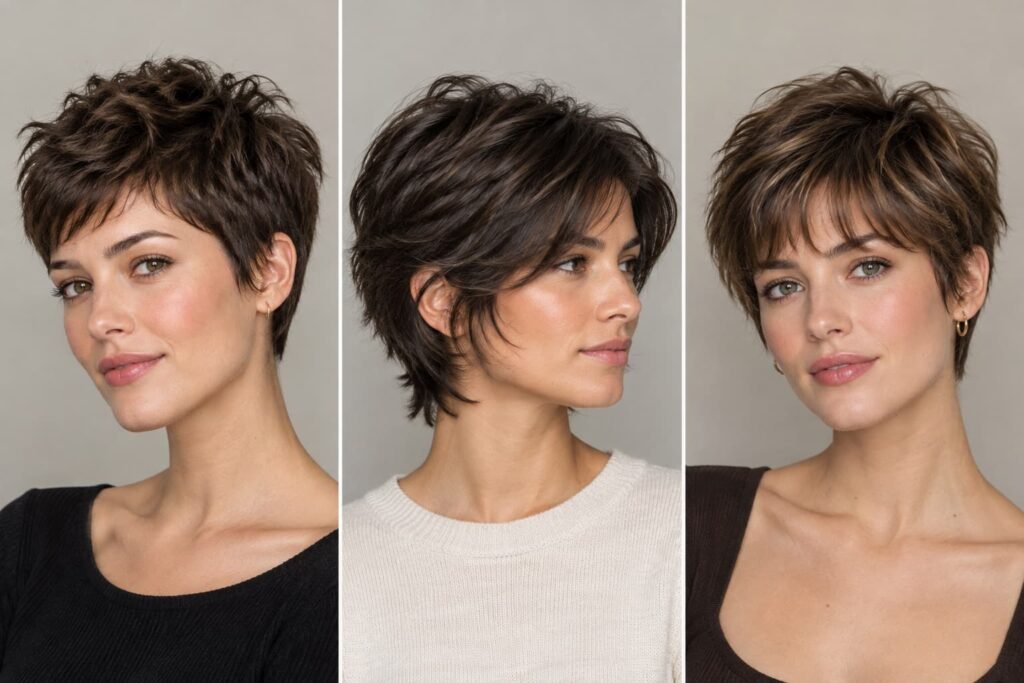
A shaggy pixie cut can look quite different depending on its length, fringe, and overall shape. Some versions have closely cropped sides and a short crown, while others keep longer layers for a softer outline. Understanding these variations can help you choose a style that matches your preferences.
Short Shaggy Pixie Cut
A short shaggy pixie cut features closely cropped sides or back with textured layers on top. The shorter length creates a compact shape, while choppy ends add movement and prevent the style from looking too uniform.
This variation may appeal to people who prefer a cropped hairstyle with a defined outline. The top can be styled forward, swept to one side, or slightly tousled, depending on its length.
Long Shaggy Pixie Cut
A long shaggy pixie keeps extra length around the crown, forehead, or sides. These longer pieces create a softer silhouette and allow more flexibility when styling the hair.
The fringe can be swept sideways, while the top layers can be arranged to create a relaxed finish. This version can also provide a gradual transition for someone who prefers a pixie shape without cutting the hair as short as possible.
Shaggy Pixie Cut with Bangs
Bangs add another dimension to a shaggy pixie. Wispy fringe creates a light, separated appearance, while side-swept bangs offer a more blended shape around the forehead and temples. Short, choppy bangs create a stronger contrast with the surrounding layers.
The best option depends on the preferred look and how much time you want to spend styling the fringe. Sharing reference photos with a hairstylist can help clarify the desired length and shape.
Curly or Wavy Shaggy Pixie Cut
Natural waves and curls can give a shaggy pixie a different kind of texture. Waves create soft bends throughout the layers, while curls produce more visible definition and volume.
The cut should account for how the hair naturally sits and how much it contracts as it dries. Longer layers may be useful for maintaining a balanced shape, while carefully placed shorter sections can emphasize the texture. The final result will vary with the curl pattern and cutting technique.
Shaggy Pixie Cut with an Undercut
An undercut shaggy pixie combines a shorter section around the lower sides or back with longer, textured hair on top. This contrast gives the haircut a more defined silhouette.
The upper layers can be styled forward, swept to the side, or left tousled. The undercut itself may be subtle or more noticeable, depending on how much of the lower section is shortened. This variation is worth considering if you prefer a stronger contrast between the sides and the crown.
How Hair Texture Affects a Shaggy Pixie Cut
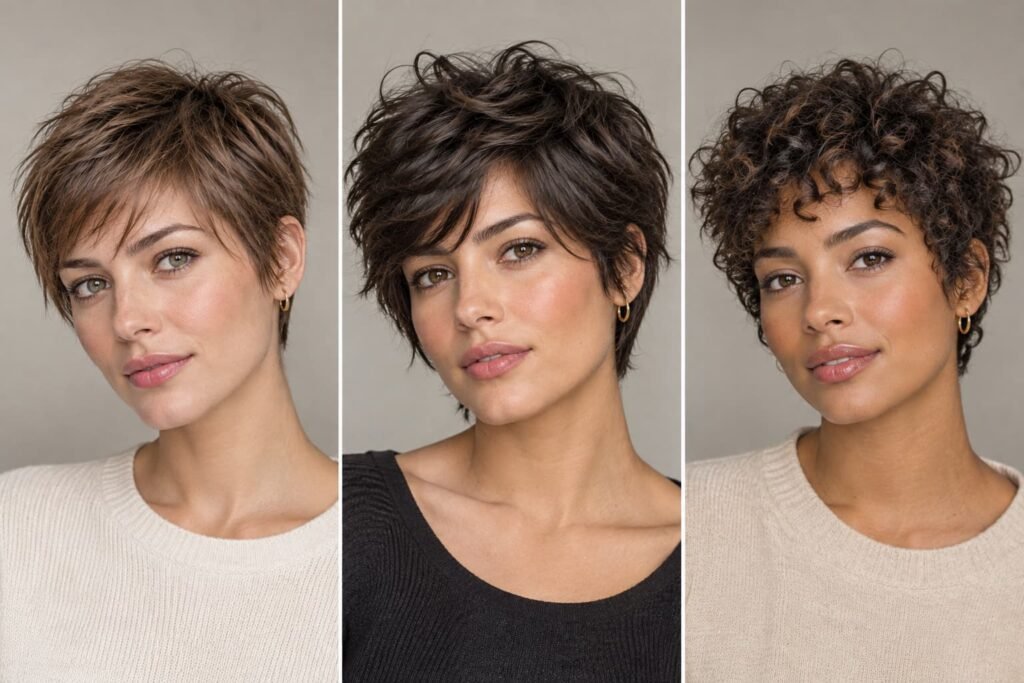
Hair texture and density influence how layers sit, how much separation is visible, and how the overall shape looks. A shaggy pixie can be adapted to different hair types, but the cutting approach should reflect the characteristics of the individual hair.
Shaggy Pixie for Fine Hair
Fine hair can work with a shaggy pixie when the layers are planned carefully. A more controlled approach to layering may help preserve the appearance of fullness while adding texture around the crown and ends.
Removing too much hair through excessive layering or thinning can make the style appear less dense. If fullness is a priority, discuss the amount of layering with your hairstylist before choosing a very choppy finish.
Shaggy Pixie for Thick Hair
Thick hair can create a fuller shaggy pixie with a noticeable layered shape. Strategic layering can help distribute bulk and give the haircut a more balanced outline.
The placement of the layers matters. Too much length in certain areas can create a bulky silhouette, while removing too much weight may change the intended shape. A reference photo can help communicate whether you prefer a rounded, soft finish or a more separated, edgy look.
Shaggy Pixie for Naturally Curly Hair
Naturally curly hair can give a shaggy pixie a distinctive shape because curls form their own patterns and may sit differently from straight hair. The haircut should take curl shrinkage and the distribution of volume into account.
A stylist can assess how the curls behave and determine where shorter or longer layers may work best. It is also helpful to discuss how you normally wear your curls, whether air-dried or styled, so the cut reflects your everyday preferences.
How to Style a Shaggy Pixie Cut
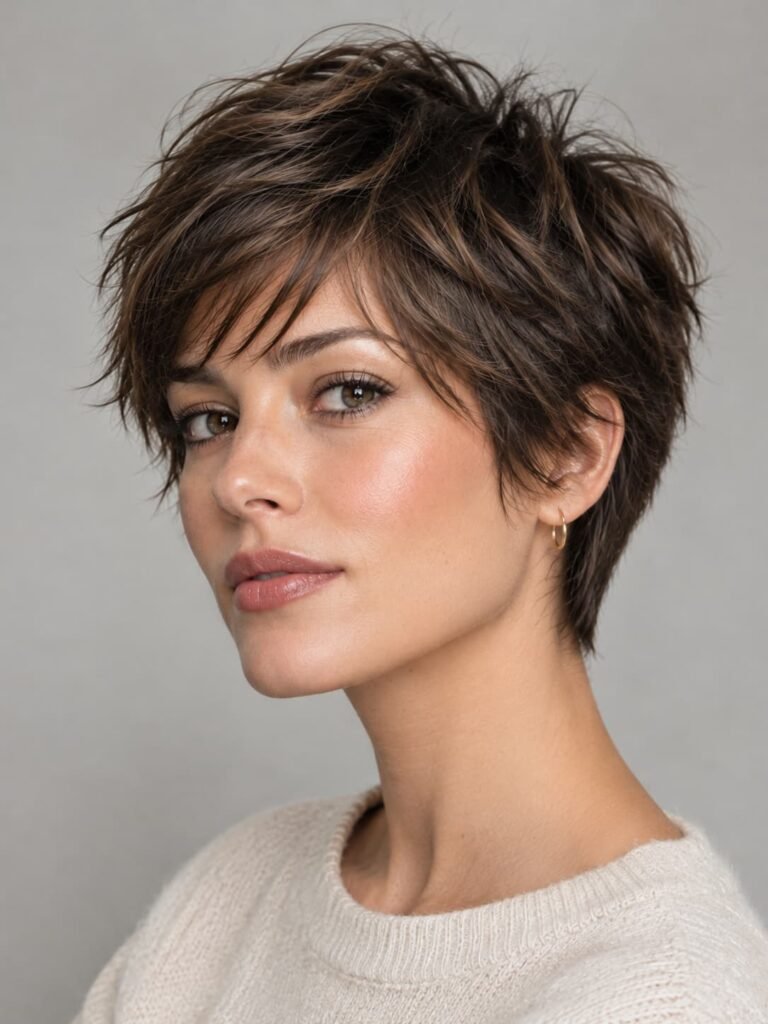
Styling a shaggy pixie does not have to involve many steps. The aim is to define the layers while keeping the finish consistent with your preferred look.
Start with clean, damp hair and use a lightweight styling product if needed. During blow-drying, use your fingers to direct the hair and shape the crown or fringe. A small amount of texturizing cream or paste can help separate the ends and emphasize the choppy layers.
For naturally wavy or curly hair, a suitable styling cream may help define the existing texture. You can also let the hair air-dry if that works with your preferred finish. Use products sparingly at first, since too much can weigh down short layers or make the hair look greasy.
The final style can be neat and swept to one side or loosely tousled. Experimenting with the direction of the fringe and the placement of the top layers can change the appearance without changing the haircut itself.
How to Maintain a Shaggy Pixie Cut
A shaggy pixie changes shape as the hair grows, particularly around the neckline, sides, and fringe. Regular trims can help preserve the intended silhouette, but the timing depends on the cut’s length and how precise you want the outline to remain.
Shorter variations may need more frequent shaping than longer versions. If you prefer a softer, grown-out look, you may be comfortable allowing the layers to lengthen before your next appointment.
At home, use shampoo and conditioner suited to your hair type, and choose styling products according to the finish you want. If you use heated tools, follow the tool’s instructions and avoid unnecessarily high temperatures.
Before your appointment, consider how much styling you are willing to do each day and whether you prefer a sharply defined neckline or a softer outline. Discussing these preferences with your hairstylist can help you choose a version that fits your routine and desired appearance.
What to Consider Before Choosing a Shaggy Pixie Cut
Before choosing a shaggy pixie cut, think about the length, shape, and amount of texture you prefer. A shorter version creates a more cropped silhouette, while a longer pixie offers extra length around the crown, sides, or fringe. Reference photos can help you identify the details you like.
Your natural hair texture and density also matter. Fine hair may need a more controlled approach to layering, while thick hair may benefit from carefully placed layers to shape the overall outline. Wavy and curly hair may sit differently when dry, so discuss your natural texture with your hairstylist before deciding on the final length.
Consider your everyday styling routine, too. Some versions can be arranged with your fingers and a small amount of styling product, while others may need more shaping to achieve the look you want. If you prefer a precise outline, ask about upkeep around the sides, neckline, and bangs.
Frequently Asked Questions About Shaggy Pixie Cuts
Is a Shaggy Pixie Cut Easy to Maintain?
A shaggy pixie can be straightforward to style, depending on your hair texture and the shape of the cut. A naturally wavy version may need less effort to create a tousled finish, while straight hair may require additional styling to define the layers. Keeping the haircut in its intended shape may also involve regular trims.
Can a Shaggy Pixie Cut Work with Fine Hair?
Yes, a shaggy pixie can be adapted for fine hair. The placement and amount of layering are important because excessive thinning can make the hair appear less full. If you prefer a fuller-looking result, discuss a softer, more controlled layer pattern with your hairstylist.
How Often Should You Trim a Shaggy Pixie Cut?
The timing depends on the haircut’s length, how quickly its outline changes, and how precise you want the shape to remain. Shorter sides and closely shaped necklines may need more frequent attention than longer, softer variations. Your hairstylist can suggest a schedule based on your preferred look.
What Is the Difference Between a Shaggy Pixie and a Bixie?
A shaggy pixie generally has a shorter, pixie-like shape with choppy layers and textured ends. A bixie combines features of a pixie and a bob, often keeping more length around the sides and back. The two styles can look similar when heavily layered, so comparing reference photos is helpful when deciding which shape you prefer.
Final Thoughts
A shaggy pixie cut combines a short silhouette with textured layers for a relaxed, individual look. Its appearance can change considerably with the length, bangs, layer placement, and natural hair texture. Before choosing a variation, consider how you want the haircut to look, how much styling you are comfortable with, and how often you want to maintain its shape. Clear reference photos and a conversation with your hairstylist can help you choose a version that fits your preferences.