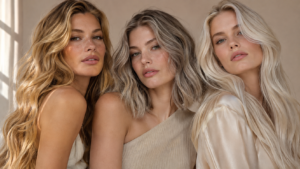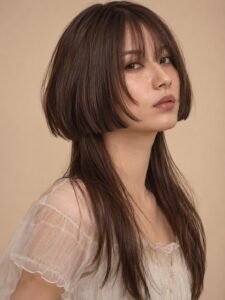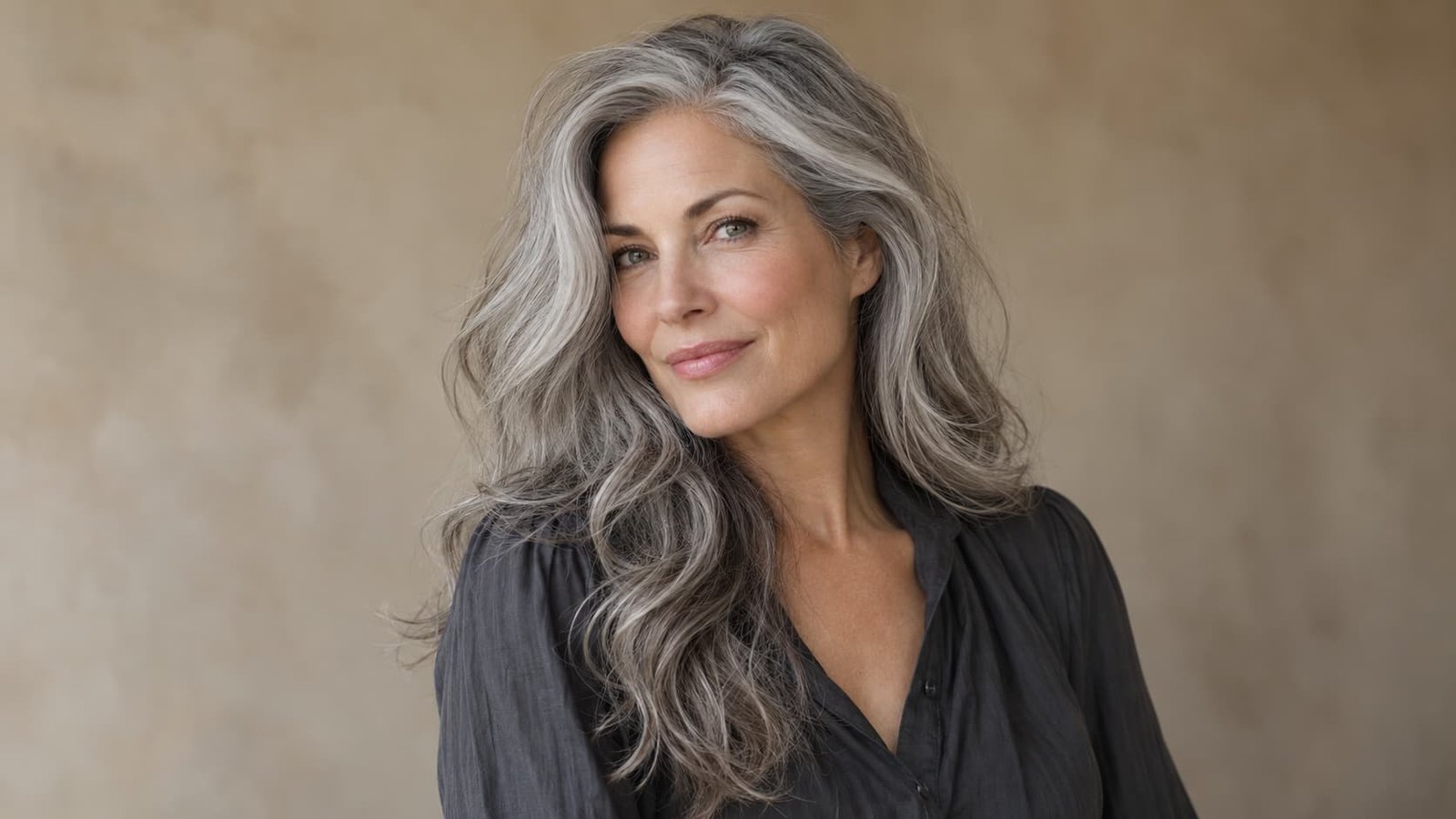

Silver hair color comes in several shades, from pale icy silver to deep charcoal gray. Some variations have a soft, muted appearance, while others show brighter metallic or cool-toned finishes.
The shade you choose can depend on your preferred level of brightness, your starting hair color, and whether you want an even finish or contrast between different sections of hair.
Silver can be worn throughout the hair or combined with darker roots, highlights, and blended color transitions. Exploring the differences between shades can help you decide which appearance best matches your preferences.
What Is Silver Hair Color?
Silver hair color generally describes a cool gray shade with a pale, smoky, or metallic appearance. It can range from nearly white silver to deeper gray tones with subtle blue or violet influences.
Some versions have a soft, understated finish, while others appear brighter and more reflective. The visible color also depends on the starting hair shade, the pigments used, and the lighting.
Artificial silver coloring may involve lightening and toning, particularly when the desired result is much lighter than the natural hair color.
How Is Silver Hair Different From Gray and Platinum Blonde?
Silver, gray, and platinum blonde can look similar, but the terms usually describe slightly different color appearances.
Silver hair often refers to cool gray hair with a brighter or more metallic-looking finish. It can include pale silver, smoky silver, and deeper steel-gray variations.
Gray hair is a broader description covering shades from soft light gray to dark charcoal. Naturally gray hair develops as pigment production decreases, while artificial gray shades are created using hair-color products.
Platinum blonde is a very light blonde shade. It may have cool or neutral undertones, but it generally retains a blonde or nearly white appearance rather than a clearly gray finish.
These categories can overlap. A pale platinum shade may look silver under certain lighting, while light silver can appear almost white.
What Are the Different Shades of Silver Hair Color?
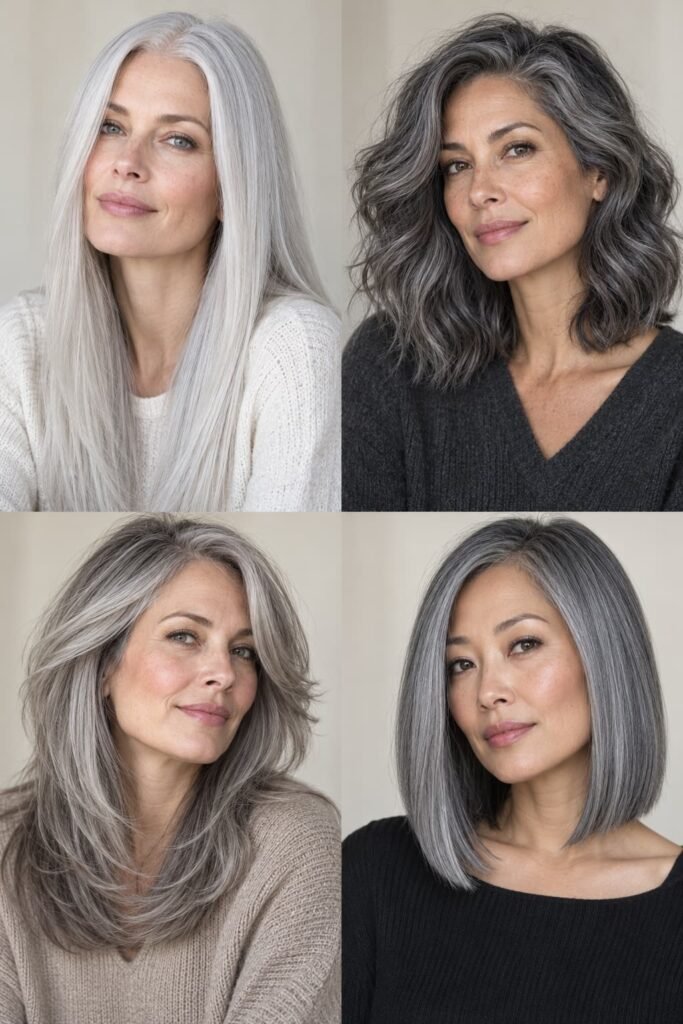
Silver shades vary in depth, brightness, and undertone. Although color names may differ between brands, the following descriptions can help you compare their general appearance.
Light and Icy Silver Hair
Light silver has a pale gray appearance that may look close to white in bright lighting. Icy silver emphasizes cool undertones, sometimes with a subtle blue or violet influence.
These colors create a bright finish without the warmer appearance associated with golden blonde shades.
Light silver can be worn evenly from roots to ends. Another option is to combine pale silver lengths with darker roots for visible contrast.
Achieving a very pale silver shade usually requires a sufficiently light starting base. Naturally dark hair generally needs substantial lightening before a clear icy silver tone can be created.
Dark and Charcoal Silver Hair
Dark silver combines deep gray tones with a cool finish. It creates a more subdued appearance than light silver while retaining a recognizable gray color.
Charcoal silver is typically darker, sometimes resembling graphite or deep steel gray. Its appearance can shift between soft dark gray and cooler metallic tones depending on the lighting.
For added contrast, lighter silver sections can be placed around the face or through selected lengths.
These shades may be worth considering if you prefer a deeper color rather than an almost white finish. However, the coloring process still depends on the starting hair color and the intended result.
Smoky and Ash Silver Hair
Smoky silver has a muted gray appearance, often with a slightly shadowed or softened finish. It tends to look less bright than icy or strongly metallic shades.
Ash silver emphasizes subdued, cool undertones. Lighter versions may resemble ash blonde with a gray influence, while deeper variations appear more distinctly silver.
The difference between these descriptions is not always precise. Smoky silver generally suggests a softer gray effect, while ash silver emphasizes the absence of obvious warm tones.
Both can be combined with darker roots or subtle highlights to create variation throughout the hair.
These options may appeal to readers who prefer a less reflective silver appearance.
Metallic Silver Hair
Metallic silver has a bright gray appearance associated with the visual shine of polished silver.
It can range from pale metallic gray to deeper steel-colored finishes. Compared with smoky silver, metallic variations generally emphasize brightness and reflected light.
The visible shine depends partly on the hair’s surface, styling, and lighting. Metallic silver describes an appearance rather than a guarantee of a particular level of shine.
For a consistent color, metallic silver can be applied throughout the hair. It can also be combined with darker gray sections to create contrast.
Brighter versions typically need a sufficiently light and even base before the intended silver tone can be achieved.
Blue-Toned and Lavender Silver Hair
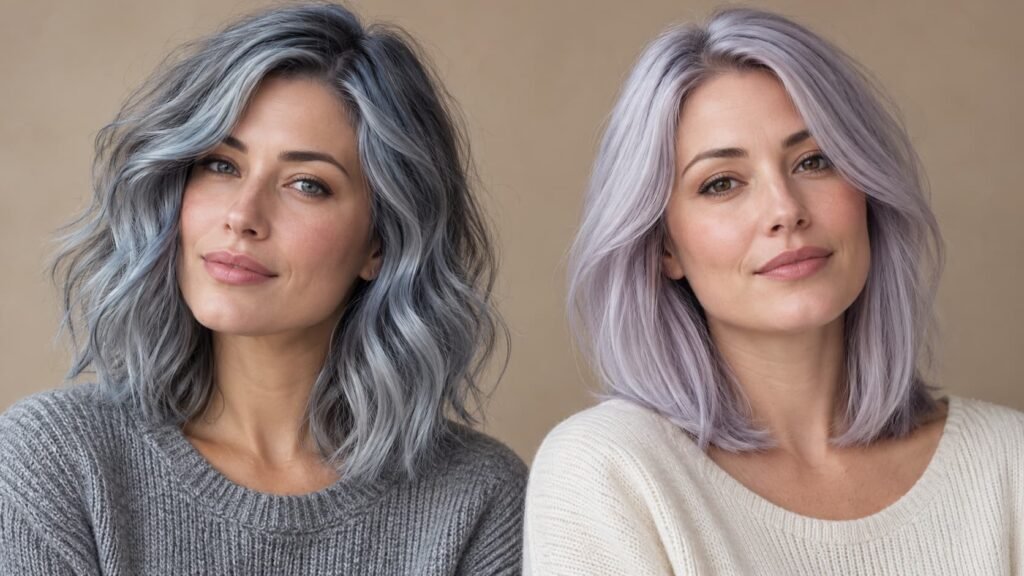
Silver can also be combined with subtle blue or purple tones for a different color effect.
Blue-toned silver has a cool gray base with a blue influence. Depending on the amount of visible blue, it may resemble steel gray or a softer blue-gray shade.
Lavender silver combines gray with pale violet tones. Some variations look predominantly silver with a faint purple tint, while others have a more noticeable lavender appearance.
Blue-toned silver may suit someone looking for a cooler, steel-like finish. Lavender silver offers an alternative for those who prefer a softer purple influence.
Both shades can be worn as an all-over color or incorporated into selected sections of the hair.
The final appearance depends on the starting color and the pigments used. As deposited color gradually fades, the blue or lavender influence may become less noticeable.
How Can Silver Hair Color Be Applied?
Silver hair color can be applied throughout the hair or combined with darker shades for contrast. Different coloring techniques create different effects, from an even silver finish to highlights and gradual transitions.
All-Over Silver Hair Color
All-over silver coloring creates a consistent color from the roots to the ends. Depending on the chosen shade, the result may appear light and icy, softly gray, or deep and smoky.
This approach may appeal to someone who prefers a uniform color without visible sections of their natural shade.
The starting hair color and previous coloring can affect the final appearance. Hair with uneven tones may need additional color preparation to achieve a consistent result.
Silver Highlights on Dark Hair
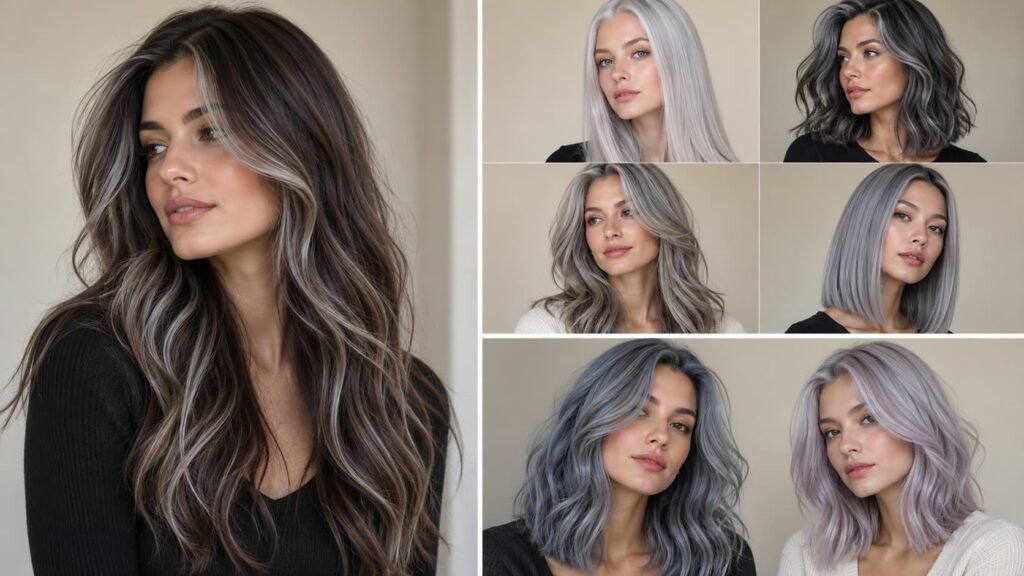
Silver highlights add lighter gray sections to a dark base, such as black or brown hair. They create contrast while allowing much of the original color to remain visible.
Fine highlights can create a softer blend, while wider sections make the silver more noticeable. Placement around the face can emphasize the front of the hairstyle, while scattered highlights add variation through the lengths.
The strands intended to appear silver usually need to be lightened sufficiently before the desired cool tone can be applied.
This option may be worth considering if you want silver accents rather than a complete color change.
Silver Balayage and Ombre
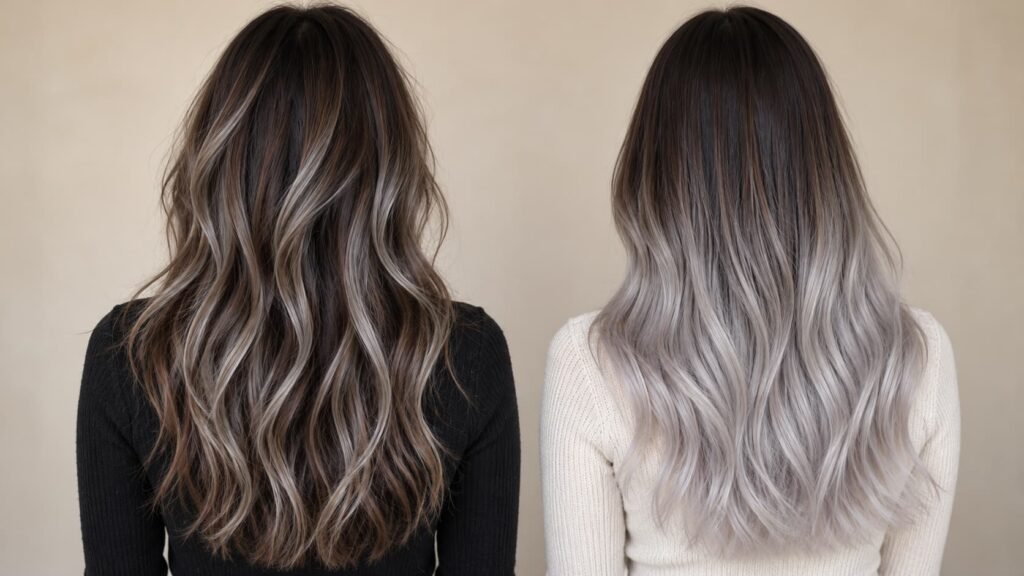
Silver balayage and ombre both combine lighter silver tones with darker hair, but they differ in how the color is distributed.
Silver balayage uses a freehand highlighting technique to place lighter sections through selected areas. It can create a soft blend while leaving some darker strands visible.
Silver ombre creates a gradual transition from darker roots or upper lengths to lighter silver ends. The change is usually more noticeable toward the lower portion of the hair.
Balayage may appeal to someone who prefers silver distributed through individual sections. Ombre is another option for those who want a gradual change in color along the hair length.
Both techniques can incorporate icy, smoky, or deeper silver tones.
Silver Hair With Dark Roots
Silver hair with dark roots combines gray or metallic lengths with a deeper root color. The roots may remain close to the natural shade or be colored darker for additional contrast.
A gradual blend creates a softer transition, while a more defined boundary makes the difference between the two colors more noticeable.
Dark roots can be paired with icy silver, ash silver, or charcoal tones.
This color combination may appeal to someone who prefers depth near the roots rather than an even silver shade throughout.
When the root color closely matches the natural hair, regrowth may be less noticeable than it would be with a contrasting all-over color.
How Do You Choose the Right Silver Hair Shade?
Choosing a silver shade involves considering its brightness, undertone, and contrast with your existing hair. The way the color appears on different lengths and textures can also influence your preference.
Consider Your Natural Hair Color
Your starting hair color helps determine how much color change may be needed to achieve a particular silver shade.
Naturally blonde hair: Very light blonde hair may already provide a suitable base for certain silver tones. Existing warmth can still affect the final appearance.
Light or medium brown hair: Silver highlights, ombre, and all-over coloring are possible options. Pale silver generally requires the selected sections to be lightened first.
Dark brown or black hair: Icy silver creates noticeable contrast against a dark base. Achieving very light silver usually requires substantial lightening. Keeping darker roots or selected dark sections can create a different look without making every strand silver.
Naturally gray or white hair: Existing gray or white strands can be incorporated into a silver color scheme. Depending on their appearance, toning or selected highlights may help adjust the overall color.
These are general considerations rather than guaranteed coloring results. Previously applied dyes and the current hair condition can also affect which shades are achievable.
Compare Cool, Neutral, and Violet Undertones
Silver shades can have different undertones, even when they appear similar at first glance.
Cool silver often has a blue or icy influence. It may appear closer to steel gray, particularly in darker variations.
Neutral silver emphasizes gray without a strongly noticeable blue or purple tint. It can range from pale silver to deeper charcoal tones.
Violet-toned silver includes a subtle purple influence. Lighter versions may resemble lavender silver, while others have only a faint violet cast.
When comparing these options, consider whether you prefer a clearly cool finish, a more neutral gray appearance, or a hint of additional color.
Photographs taken under different lighting can make the same shade appear warmer or cooler. Comparing references with similar lighting may help you recognize the differences more clearly.
Think About Hair Length and Texture
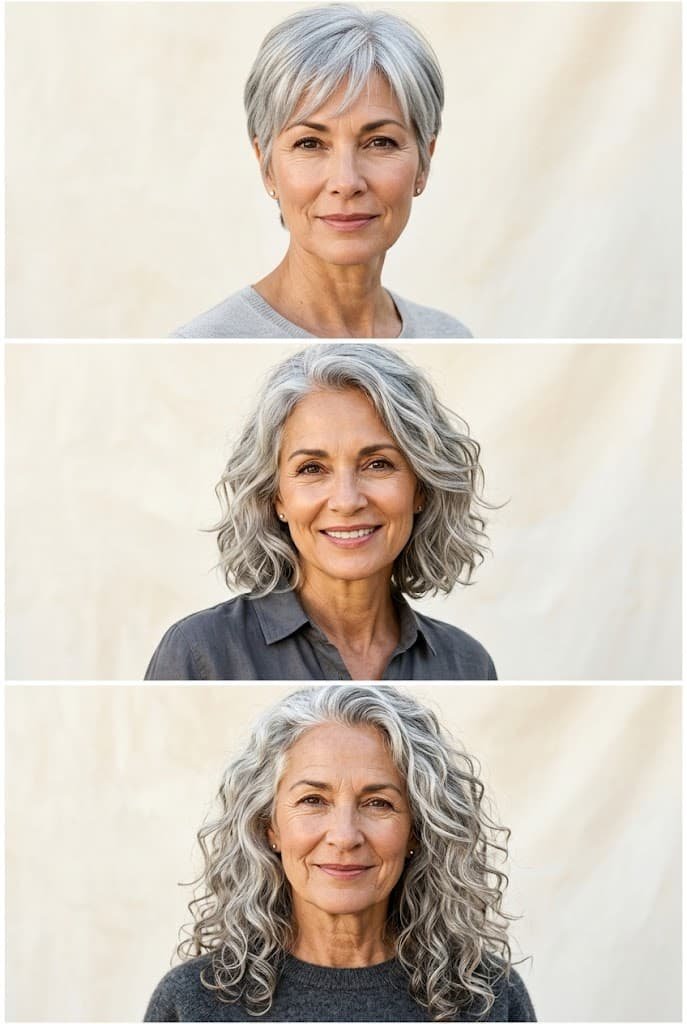
Hair length and texture can affect how silver coloring is displayed, particularly when highlights or blended techniques are involved.
On short hair, such as a pixie cut or cropped bob, an all-over silver shade creates a consistent appearance. Small sections of contrasting color can also stand out because there is less length for gradual transitions.
Medium-length hair provides space for silver highlights, darker roots, and shorter ombre effects. Bobs and layered cuts can show the contrast between lighter and darker sections.
Long hair offers more length for gradual color transitions. Silver balayage or ombre can extend through the middle lengths and ends while leaving darker color closer to the roots.
Hair texture also influences how the placement appears. Straight hair may show color sections in a more continuous pattern, while waves and curls can reveal different parts of the highlights as the hair moves.
No particular hair length or texture is required for silver color. The main consideration is whether you prefer an even shade, subtle highlights, or a more noticeable contrast.
What Should You Know Before Coloring Your Hair Silver?
Creating silver hair involves considering the existing color, the shade you want, and the coloring products needed to achieve it. Pale silver generally requires a light starting base, while darker variations may have different requirements.
Understanding how lightening and toning work can help you recognize why the same silver shade may look different on different starting colors.
Why Does Starting Hair Color Matter?
The existing pigments in your hair influence how a new color appears. Dark hair contains more natural pigment, while very light blonde or white hair may already be close to the base needed for some silver shades.
When darker hair is lightened, warm undertones such as orange and yellow can become visible. These tones need to be considered when creating a cool silver finish.
Previously colored hair may also respond differently from untreated hair. For example, older dye on the lengths can affect how evenly the new color develops compared with the natural roots.
For this reason, the current hair color and coloring history matter more than the natural shade alone.
When Is Bleaching Necessary?
Bleaching is often necessary when the desired silver shade is considerably lighter than the existing hair color.
Pale icy silver usually requires a very light blonde base. On dark brown or black hair, reaching this level of brightness may involve substantial lightening.
Deeper gray shades may not need the same degree of lightness, although some lightening can still be necessary to create a visible cool-toned result.
Naturally white or sufficiently light blonde hair may be suitable for certain silver toners without additional bleaching.
Because significant lightening can make hair more fragile, the coloring approach should account for its existing condition and previous treatments.
How Do Toners Create a Silver Appearance?
Hair toner adjusts the visible undertones of an existing color. It can reduce unwanted warmth or deposit cooler pigments to create a more silver-gray appearance.
Violet pigments are commonly used to counteract yellow tones, while blue pigments can help reduce orange tones. Some silver formulations also deposit gray or other cool pigments to achieve a particular shade.
The result depends on the underlying hair color and the product formulation.
Toner does not replace the lightening needed to achieve a much paler base. Dark brown hair, for example, will not become icy silver simply by applying a pale silver toner.
How Can You Maintain Silver Hair Color?
Silver hair can gradually change as deposited pigments fade and underlying tones become more visible. The changes depend on the coloring method, hair condition, and everyday care routine.
Maintaining the color generally involves paying attention to unwanted warmth and choosing products suitable for color-treated hair.
Why Can Silver Hair Turn Yellow?
Artificial silver hair may develop a yellow appearance when the cool pigments used during coloring gradually fade.
This is particularly noticeable on lightened hair, where pale yellow undertones may remain beneath the silver toner.
Product or mineral buildup and environmental exposure can also affect the appearance of some light-colored hair.
Yellowing does not always have the same cause, so the appropriate approach depends on whether the change comes from fading pigment, existing warmth, or buildup.
How Does Purple Shampoo Affect Silver Hair?
Purple shampoo contains violet pigments that help reduce visible yellow tones in suitable blonde, gray, or silver hair.
Violet sits opposite yellow on the color wheel, allowing it to counteract some unwanted warmth.
Purple shampoo may help maintain a cooler appearance when pale silver hair starts showing yellow tones. However, it does not bleach hair or create a complete silver color on a dark base.
It is also less suitable for correcting distinctly orange tones, which require a different color-correction approach.
Using more purple pigment than needed may leave a temporary violet tint, especially on very pale or porous hair. Follow the instructions for the specific product rather than assuming frequent use is always beneficial.
How Can You Reduce Fading and Dryness?
A gentle care routine may help maintain the appearance of colored silver hair.
A shampoo intended for color-treated hair can be considered for regular washing. Conditioner may help manage dryness and keep the hair feeling softer, particularly after lightening.
Reducing unnecessary high-heat styling is another practical consideration. Lower temperature settings and appropriate heat protection can help limit additional stress on processed hair.
Sun exposure can contribute to color fading and changes in hair condition. Covering the hair during prolonged outdoor exposure may offer some protection.
Color refreshes may still be needed as the silver pigments fade. There is no single maintenance schedule that applies to every shade or coloring method.
Frequently Asked Questions About Silver Hair Color
Can You Get Silver Hair Without Bleach?
Some naturally white or very light blonde hair may be suitable for silver toning without additional bleaching.
Darker hair generally requires lightening to achieve pale silver. The amount depends on the existing shade, previous coloring, and desired result.
Can Naturally Gray Hair Be Toned Silver?
Yes. Certain toners can adjust the appearance of naturally gray or white hair by reducing visible warmth or adding a cooler color effect.
Results vary depending on the existing gray pattern, remaining pigment, and product formulation.
Does Silver Hair Color Work on Dark Brown Hair?
Silver can be combined with dark brown hair through highlights, ombre, balayage, or contrasting sections.
These techniques allow some dark brown hair to remain visible while selected strands are colored silver. Pale silver sections generally require sufficient lightening first.
What Is the Difference Between Silver Hair Dye and Silver Toner?
Silver hair dye is a general term for coloring products intended to create a silver shade. Different formulations may be permanent, demi-permanent, or semi-permanent.
Silver toner is used to adjust undertones or deposit color on an existing base, often after lightening.
The categories can overlap because some coloring products serve both purposes. The main differences depend on the formulation and intended application.
Final Thoughts
Silver hair color offers several possibilities, from bright icy shades to deeper charcoal and smoky gray tones. The differences lie in their brightness, undertones, and overall appearance.
An all-over color provides a more uniform look, while highlights, ombre, and darker roots offer ways to combine silver with other shades.
Before choosing a color, consider your existing hair shade, preferred appearance, and the upkeep involved. These factors can help you narrow down the options and understand what may be needed to achieve your chosen look.