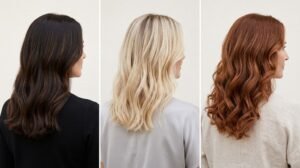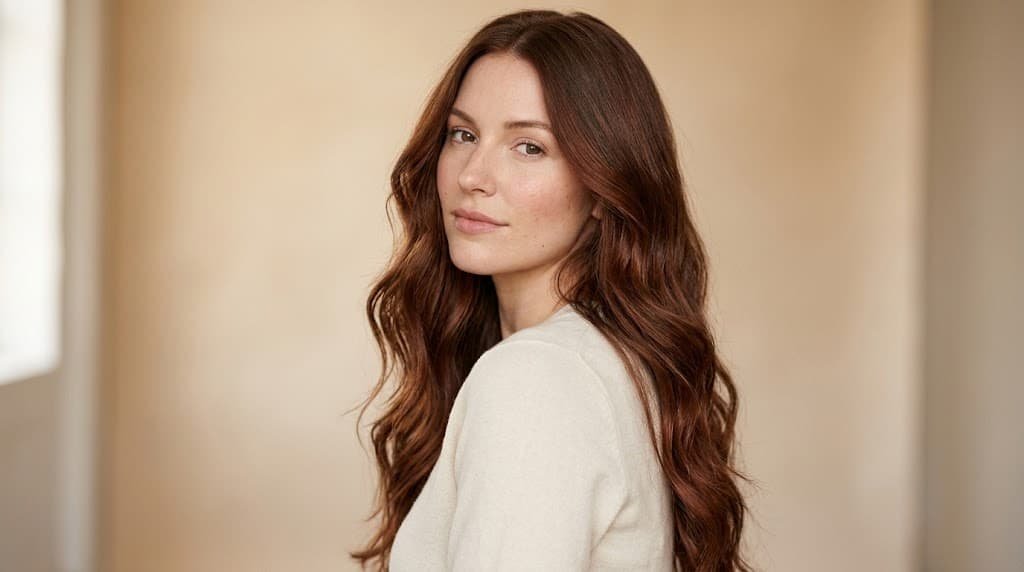

Red brown hair color combines brunette depth with reddish tones. Some shades look mostly brown with a soft red tint, while others feature more noticeable copper, auburn, or cherry-red colors.
The differences come from the depth of the brown base, the strength of the red tones, and whether the overall color leans warm or cool.
From soft reddish brown to rich mahogany, understanding these variations can help you compare shades and choose the appearance you prefer.
What Is Red Brown Hair Color?
Red brown hair color describes a range of shades that combine brown and red tones. Brown provides the overall depth, while red influences the color’s warmth and appearance.
Some variations contain golden-red or copper reflections. Others feature deeper cherry-red or violet-red influences.
Red brown is not one standardized shade. Hair-color brands may use different names for similar colors, so comparing the actual appearance is often more useful than relying on the name alone.
How Do Brown-Dominant and Red-Dominant Shades Differ?
The main difference is the balance between brown and red.
Brown-dominant shades have a stronger brunette appearance, with red acting as a secondary tone. Soft reddish brown and certain chocolate-red shades are examples of this direction.
Red-dominant shades give more visual emphasis to red. Copper-influenced brown has a warmer, orange-red appearance, while cherry red brown can feature a deeper red character.
These are descriptive categories rather than fixed technical classifications. Individual hair colors can fall somewhere between them.
Is Red Brown Hair Color the Same as Auburn?
Auburn is a type of red-brown hair color, usually combining brunette depth with warm red tones.
However, red brown is a broader description. It can include traditional auburn alongside chocolate-red, mahogany, and cherry-brown variations.
For example, a medium brown shade with warm copper-red reflections may be called auburn. A darker brunette color with cooler cherry-red undertones may be described as red brown instead.
The names overlap, and their meanings can vary between color ranges.
What Are the Different Shades of Red Brown Hair Color?
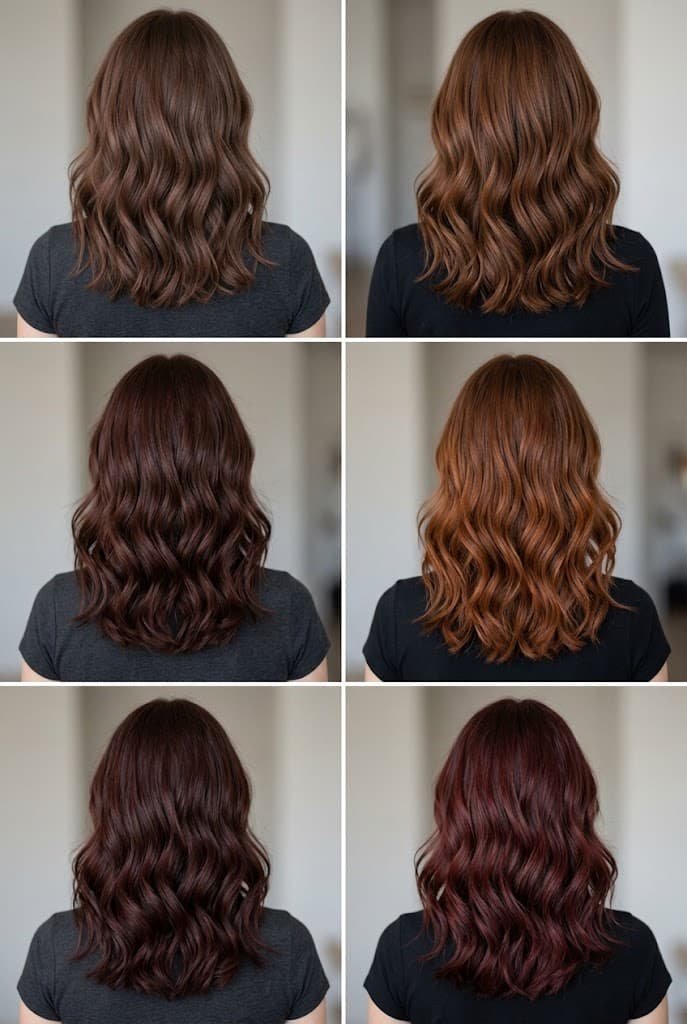
Red brown hair includes several color directions, from muted reddish brunettes to richer shades with copper, mahogany, or cherry influences.
Each variation differs in its typical depth, undertone, and the amount of visible red.
Soft Reddish Brown
Soft reddish brown maintains a mostly brunette appearance with a gentle red tint.
The red is understated rather than bright, creating a color that remains close to traditional brown hair.
It can appear in different depths, from lighter reddish brunette to deeper brown with muted red reflections.
This may be an option for someone who wants a subtle change without introducing strong copper or cherry-red tones.
Chestnut Red Brown
Chestnut red brown combines brunette depth with warm red tones. Some variations also contain golden or copper influences.
Compared with a muted reddish brown, chestnut often has a warmer appearance.
The exact balance varies. Some chestnut shades lean golden-brown, while others have a more noticeable auburn character.
This color may appeal to someone who prefers warm brunette shades with softly blended red.
Chocolate Red Brown
Chocolate red brown uses a rich brunette base with reddish undertones.
Brown remains the main visual feature, while red adds warmth or a deeper color reflection.
Depending on the formulation, the red influence may be subtle or more noticeable. Some variations have a warm chocolate-red appearance, while others lean toward cherry-brown.
Chocolate red brown is worth considering if you prefer darker brunette colors with a reddish finish.
Copper Red Brown
Copper red brown combines brown with copper tones, which typically have an orange-red character.
This gives the shade a warmer appearance than many mahogany or cherry-brown variations.
Lighter copper brown may display more noticeable orange-red tones. Deeper versions can preserve a stronger brunette base.
The amount of copper varies between shades, making it possible to explore both muted and more prominent copper-brown combinations.
Mahogany Red Brown
Mahogany red brown combines deep brunette tones with rich red. Some versions also include a subtle violet-red influence.
Compared with copper red brown, mahogany generally has less orange warmth.
The shade can range from a brown-dominant color with red reflections to a richer red-brown appearance with cooler undertones.
Mahogany may be an option if you prefer deeper red colors without a strong copper effect.
Cherry Red Brown
Cherry red brown combines brunette depth with cherry-red tones.
Some variations appear mostly dark brown with a subtle cherry influence. Others feature more visible red throughout the hair.
Certain cherry-brown shades contain violet-red undertones, creating an appearance closer to burgundy or chocolate cherry.
This color may appeal to someone who wants a richer red appearance while keeping some brunette depth.
Red Brown Hair Color Shades Compared
The following table summarizes the main visual differences between these color directions.
| Shade | Common Brown Depth | Red Appearance | Typical Undertone |
|---|---|---|---|
| Soft Reddish Brown | Varies | Subtle | Muted reddish brown |
| Chestnut Red Brown | Often medium | Soft to noticeable | Warm red, sometimes golden |
| Chocolate Red Brown | Often medium to dark | Subtle to noticeable | Rich brown with red warmth |
| Copper Red Brown | Varies | Depends on copper intensity | Warm orange-red |
| Mahogany Red Brown | Often medium to dark | Muted to rich | Deep red, sometimes violet-red |
| Cherry Red Brown | Often medium to dark | Muted to prominent | Cherry-red, sometimes violet-red |
These comparisons are general descriptions, not fixed hair-color formulas.
When comparing shades, focus on the overall depth and undertone rather than expecting every color with the same name to look identical.
How Do You Choose the Right Red Brown Hair Color?
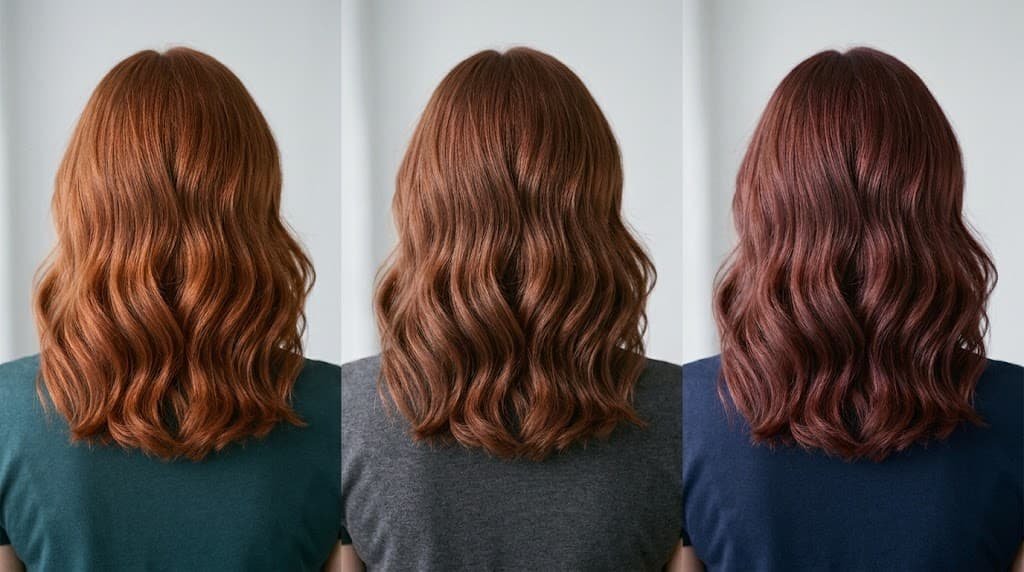
Choosing a shade involves considering the look you want, your existing hair color, and how much maintenance you prefer.
Start with the amount of red you want to see, then narrow the options by undertone and color depth.
Decide How Much Red You Want to See
Consider whether you want your hair to look mainly brunette or distinctly reddish.
Soft reddish brown and chocolate red brown are options for an understated appearance, with brown remaining the most noticeable color.
For stronger red tones, copper red brown and cherry red brown offer different directions. Copper emphasizes warmer orange-red tones, while cherry brown can create a deeper red effect.
Looking at reference photographs in different lighting conditions may help you compare how prominent each color appears.
Compare Warm, Cool, and Neutral Undertones
Undertones influence the overall character of a red brown shade.
Warm undertones include copper, golden-red, and orange-red influences. Chestnut and copper brown commonly fit this description.
Cooler undertones may feature violet-red or deeper cherry-red tones. Some mahogany and cherry-brown colors have these characteristics.
Neutral-looking shades have a more balanced appearance without a strong orange or violet influence.
These categories are useful for comparing color options, but they are not strict rules. Skin tone can be considered alongside personal preference, rather than determining which colors someone should wear.
Consider Your Natural Hair Color and Previous Coloring
Your starting hair color influences how a new shade may develop.
On naturally dark brown or black hair, a deep reddish-brown color may create a relatively subtle change. Achieving a much brighter or lighter red brown may require additional lightening.
Medium brown hair can be a starting point for chestnut, auburn, and chocolate-red variations, although the final appearance depends on the coloring formula.
On naturally lighter brown or blonde hair, red tones may appear more prominent. A darker shade may also require adding sufficient brunette depth.
Previously colored hair can behave differently because existing artificial pigments influence the starting color.
For a significant change, a professional colorist can assess the current hair color and discuss the available options.
Think About Maintenance Before Choosing a Shade
Consider how different the new shade will be from your natural hair color.
An all-over color that contrasts with your natural roots may make regrowth more noticeable.
Keeping the natural brunette roots and introducing red tones through selected sections may create a softer transition.
The strength of the red also matters. If maintaining a noticeable copper or cherry-red appearance is important to you, occasional color refreshing may be worth considering.
How Can Red Brown Hair Color Be Applied?
Red brown can be used throughout the hair or added through selected sections. The technique determines how much of the original color remains visible and where the red tones appear.
All-Over Red Brown Hair Color
All-over coloring creates a relatively consistent shade from the roots through the lengths.
A muted chocolate-red color can maintain a brunette-focused appearance, while copper or cherry red brown may make the red more prominent.
This approach may appeal to someone who wants the chosen shade to become the main hair color.
Root regrowth can be more noticeable when the new shade differs considerably from the natural color.
Red Brown Highlights on Dark Hair
Highlights introduce red brown tones through selected strands while keeping much of the original brunette base visible.
Fine reddish-brown highlights may create a subtle contrast. Brighter copper or cherry-toned sections can stand out more clearly against darker hair.
Placement changes the appearance as well. Face-framing highlights concentrate color around the front, while highlights distributed throughout the hair create a more varied look.
The contrast depends on the original hair depth and selected highlight shade.
Red Brown Balayage with Brunette Roots
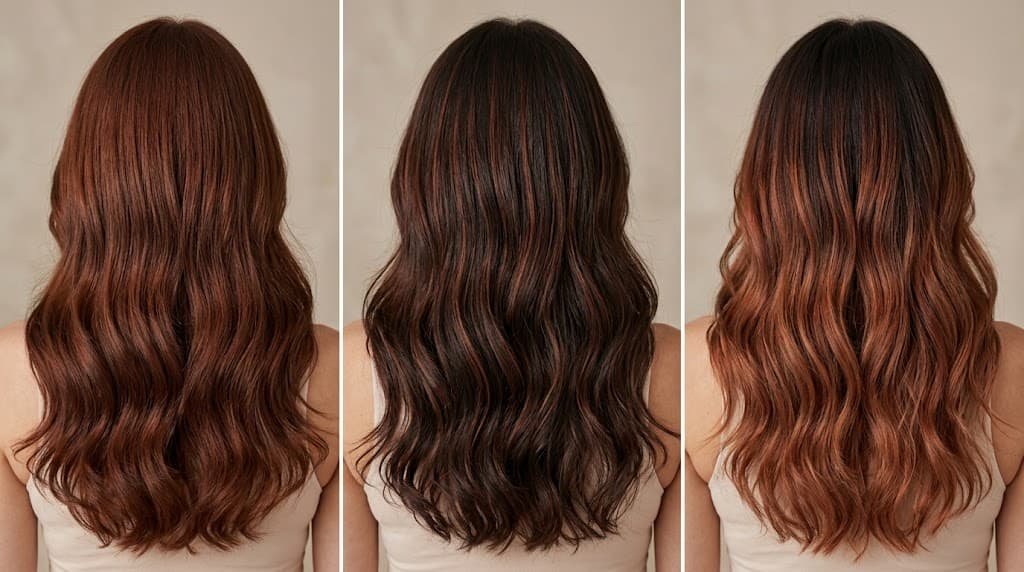
Balayage uses painted sections to create a blended color placement.
For a red brown variation, the roots may remain brunette while auburn, copper, or reddish-brown tones appear through the middle lengths and ends.
The transition can be gradual, avoiding a sharp separation between the original base and the added color.
This may be an option for someone who prefers a softer color transition instead of one consistent shade from roots to ends.
How Do Hair Texture and Lighting Change the Appearance of Red Brown Hair?
Hair texture and lighting can affect how different color tones are perceived.
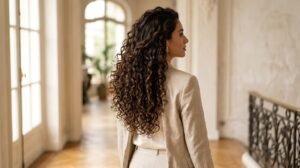
On straight hair, larger sections of color may appear more continuous. Wavy and curly hair can show varied red and brown reflections as individual sections catch the light from different angles.
Lighting also makes a difference. Deep reddish brown may appear predominantly brunette in dim surroundings, while brighter light can make red reflections more noticeable.
Warm indoor lighting and cooler daylight may create different impressions of the same shade.
Comparing color references under several lighting conditions can give you a more complete idea of the appearance.
How Can You Maintain Red Brown Hair Color?
Artificial red brown hair color can gradually change as the added pigments fade.
The extent of fading depends on the color formulation, starting hair, washing habits, and other factors. Regular color care may help maintain the appearance, although no routine can prevent fading entirely.
Why Red Tones May Fade or Change
Artificial red tones can lose intensity over time, affecting the overall balance between red and brown.
A copper-influenced shade may gradually look less vibrant, while cherry or mahogany tones may become less noticeable.
The way a color fades depends partly on the formula and the existing hair color.
Permanent, demi-permanent, and semi-permanent hair colors have different characteristics and may change in appearance differently over time.
Washing and Heat-Styling Considerations
Washing and frequent high-temperature styling can influence how long artificial hair color maintains its original appearance.
A shampoo and conditioner formulated for colored hair may be useful as part of a regular routine.
Using lukewarm rather than very hot water is another option when washing colored hair.
For heated styling tools, choosing an appropriate temperature and using a suitable heat-protectant product may help limit heat exposure.
These practices may support color maintenance, but results vary.
Root Touch-Ups and Color Refreshing
Root touch-ups and color refreshing address different needs.
Root touch-ups focus on the visible difference between natural regrowth and previously colored hair.
Color refreshing focuses on adjusting tones that have become less noticeable through the lengths.
Depending on the existing color, a gloss or suitable color-depositing treatment may be an option for refreshing the red-brown appearance.
The need for these services varies with the coloring technique and personal preferences. An all-over shade may require a different approach from balayage that preserves the natural roots.
Frequently Asked Questions About Red Brown Hair Color
Can You Get Red Brown Hair Without Bleaching?
Yes, some red brown shades may be achievable without bleaching.
A deeper reddish-brown color may be possible on naturally brunette hair without first lightening it. However, a significantly lighter or brighter copper-red shade may require additional lightening.
The available options depend on your starting color, previous coloring, and chosen formula.
Does Red Brown Hair Color Fade Quickly?
Red brown hair color can fade, but there is no single fading rate that applies to every shade.
The formulation, washing routine, and heat exposure can influence how the color changes.
A muted reddish-brown shade may show less obvious visual changes than a brighter red color, although both can gradually lose intensity.
Can Red Brown Hair Color Cover Gray Hair?
Yes, certain red brown hair-color formulas can provide gray coverage.
Some permanent formulas are designed to provide more complete coverage, while demi-permanent options may be used for softer gray blending.
The level of coverage depends on the specific product and the existing hair. A shade name alone does not determine whether a formula offers full gray coverage.
Final Thoughts
Red brown hair color offers several directions, from subtle reddish brunette and warm chestnut to richer chocolate, copper, mahogany, and cherry-brown variations.
The main differences are the depth of the brown base, the prominence of the red tones, and the overall undertone.
When choosing a shade, consider your starting hair color, preferred application method, and maintenance preferences.
Comparing these characteristics can help you identify a red brown hair color that matches the appearance you want.