What Is a Clavicut Haircut?
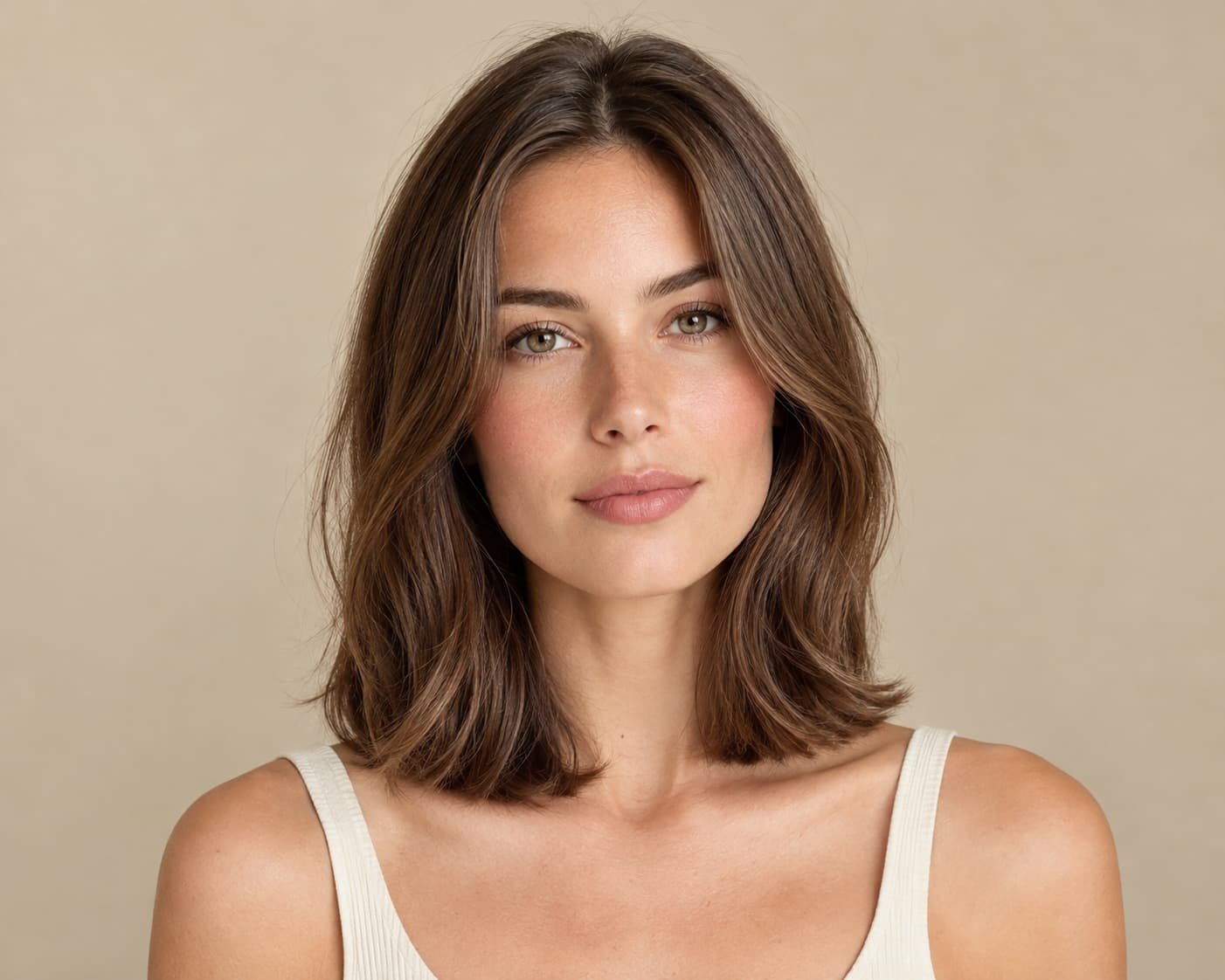
A clavicut is a medium-length haircut designed to fall around the collarbone. The name comes from the clavicle, the bone at the base of the neck. Depending on the chosen cut, the ends may sit just above, at, or slightly below this point. The collarbone-length shape is the defining feature of the style. <sup>1</sup>
A clavicut offers an in-between length for people who want something shorter than long hair without choosing a traditional short bob. The exact shape can vary, from a clean, one-length outline to a softer cut with layers or a slight angle at the front.
The hairstyle can be worn straight, wavy, or curly. Its final appearance depends on the hair’s natural texture, density, and the way the cut is shaped. A photo showing the desired length and finish can help when discussing the style with a hairstylist.
What Makes the Clavicut Haircut Unique?
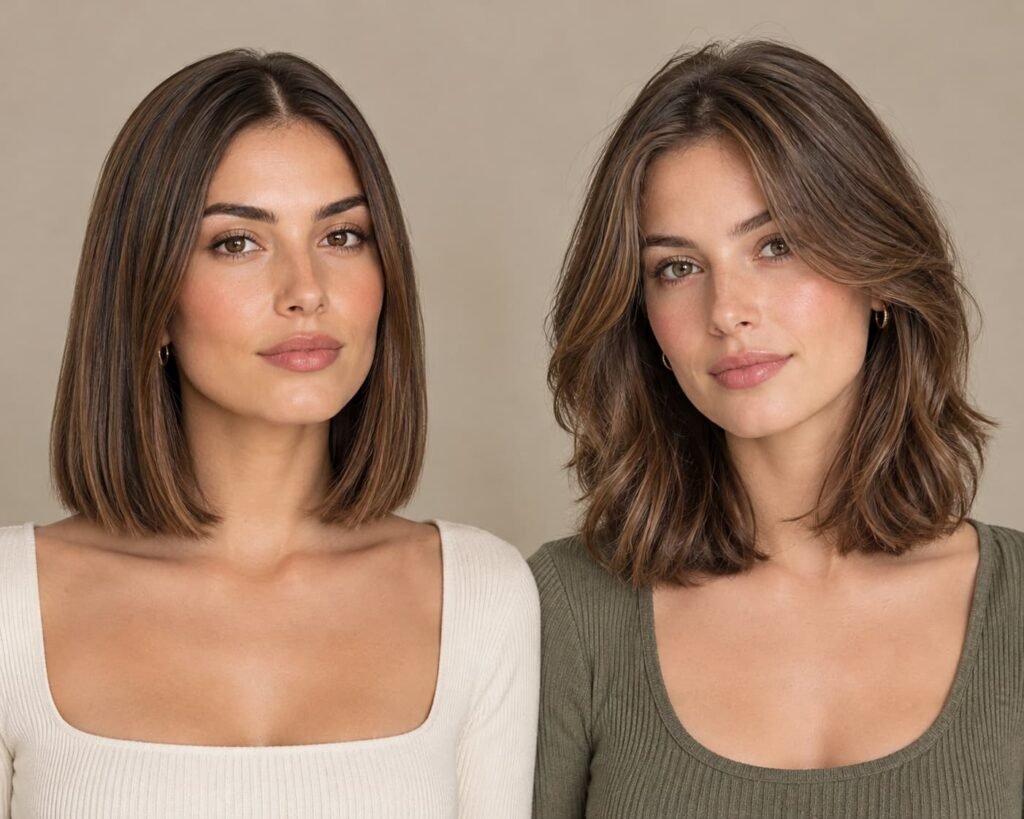
The collarbone-length outline sets a clavicut apart, but the way the ends are cut and the front sections are shaped can change its overall appearance. These details allow the style to be adapted to different preferences.
Collarbone-Length Shape
The defining feature of a clavicut is where the hair ends. Unlike a chin-length bob, it extends farther down, reaching the collarbone area. It is closely related to a long bob, or lob, although the exact length varies between individual cuts.
This length leaves room for different styling options, including wearing the hair loose, creating waves, or tucking the front sections behind the ears. Whether the hair can be gathered comfortably into a ponytail depends on its length, layers, and texture.
Natural curls can make the hair appear shorter than it does when stretched or straightened. If you wear your hair curly most of the time, show your hairstylist how it naturally dries and discuss where you want the finished ends to sit.
Blunt Ends vs. Soft Layers
A blunt clavicut has a relatively even perimeter, creating a defined line at the ends. This can be a useful option for people who prefer a neat, structured shape. On fine hair, a stronger outline may also create the appearance of fuller ends, although the result depends on individual hair density and texture.
A layered clavicut uses sections of different lengths to create movement and shape. Depending on their placement, layers can soften the outline or help manage the weight of dense hair. However, adding more layers does not automatically improve every haircut. On some fine hair types, excessive layering can make the ends look less full.
The choice comes down to the look you want. A blunt finish may appeal to someone who prefers a clear outline, while soft layers may suit someone who wants a less uniform shape. A hairstylist can help determine how much layering will work with your natural texture and preferred finish.
Natural Movement and Face-Framing Pieces
Face-framing pieces are shorter sections around the front of the haircut. They can blend gradually into the rest of the hair or create a more noticeable difference in length. On a clavicut, this shaping can add another dimension without changing the overall collarbone-length silhouette.
Curtain bangs are one option. They part around the face and can blend into longer front layers. A clavicut can also be worn without bangs, keeping the front sections closer to the same length as the rest of the cut.
Natural texture also affects the finished look. Straight hair can emphasize the haircut’s outline, while waves create a softer, more relaxed appearance. Curly hair produces a different silhouette depending on the curl pattern and the way the sections are shaped.
Before choosing face-framing layers or bangs, consider how you usually wear your hair and how much time you want to spend styling the front sections. Bringing a reference photo can help you and your hairstylist agree on the length, shape, and amount of layering you prefer.
Popular Clavicut Haircut Styles
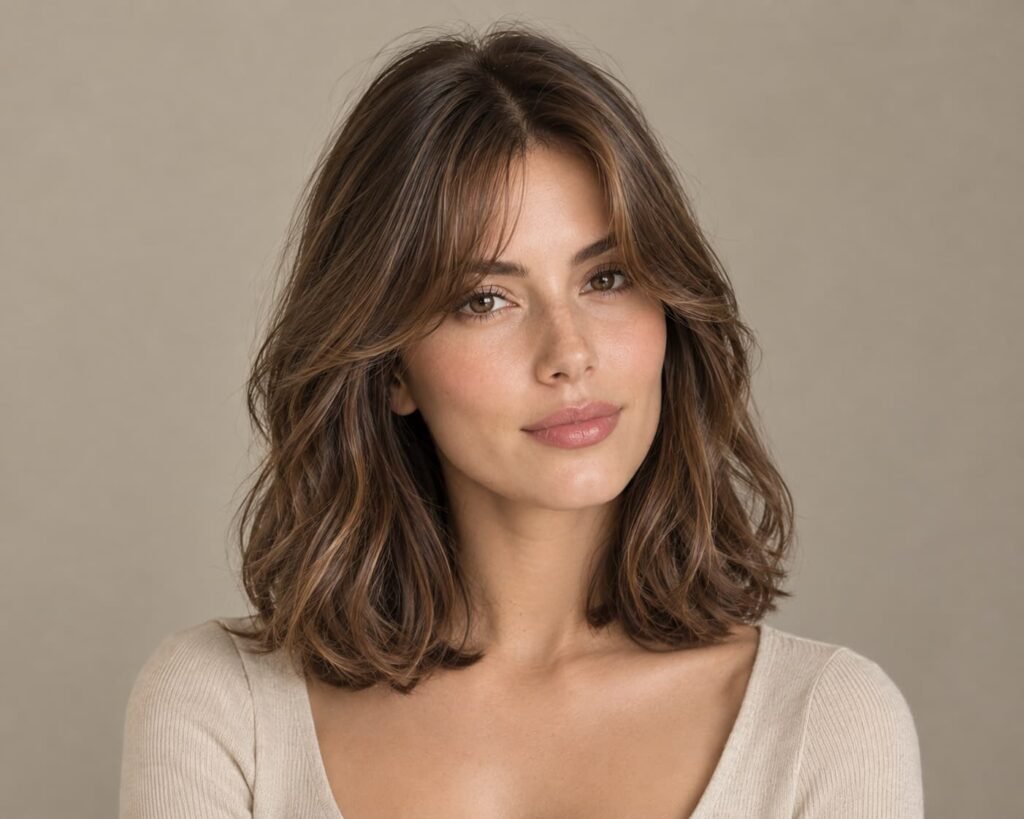
A clavicut can take different forms depending on the shape of the ends, the placement of layers, and the way the hair is styled. Some versions have a clean, even outline, while others feature softer layers, curtain bangs, or loose waves. Choosing a style comes down to your preferred look and how you like to wear your hair.
Classic Blunt Clavicut
A classic blunt clavicut has ends cut at a relatively even length, creating a clean, defined outline around the collarbone. It is an option for anyone who prefers a simple shape without prominent layers.
Worn straight, the cut’s outline is easy to see. Soft bends at the ends can give it a more relaxed finish. For fine hair, a blunt perimeter may help the ends look fuller, although the result depends on the hair’s natural density and the way the cut is shaped.
Layered Clavicut
A layered clavicut features sections of different lengths that add shape and movement. Layers can be subtle and blended or more noticeable around the face and throughout the haircut.
This variation may appeal to people who want a softer outline or whose thick hair feels heavy at one length. The amount of layering matters, however. Removing too much weight can make the ends appear less full, particularly on fine hair.
Before choosing layers, consider whether you prefer a defined shape or a more textured finish. Your hairstylist can help determine the placement and amount of layering that works with your hair.
Clavicut With Curtain Bangs
Curtain bangs are parted near the middle and sweep toward either side of the face. Paired with a clavicut, they create a shorter front section that can blend into the rest of the hair.
Longer curtain bangs offer a subtle transition, while shorter ones create a more noticeable fringe. They can be styled with a round brush for a curved finish or worn more naturally, depending on your hair texture.
If you are considering bangs, think about how you normally part your hair and how much time you want to spend styling the front. Reference photos can help you communicate your preferred length and shape.
Wavy Clavicut
A wavy clavicut combines collarbone-length hair with loose bends or natural waves. The texture creates a softer, less uniform appearance than a sleek, straight finish.
You can wear this style with blunt ends for a defined outline or light layers for a more textured shape. Waves may occur naturally or be created with styling tools, depending on your hair.
If you prefer minimal daily styling, consider how your natural texture looks when air-dried. This can help you choose a version that fits your usual routine.
How a Clavicut Looks on Different Hair Types
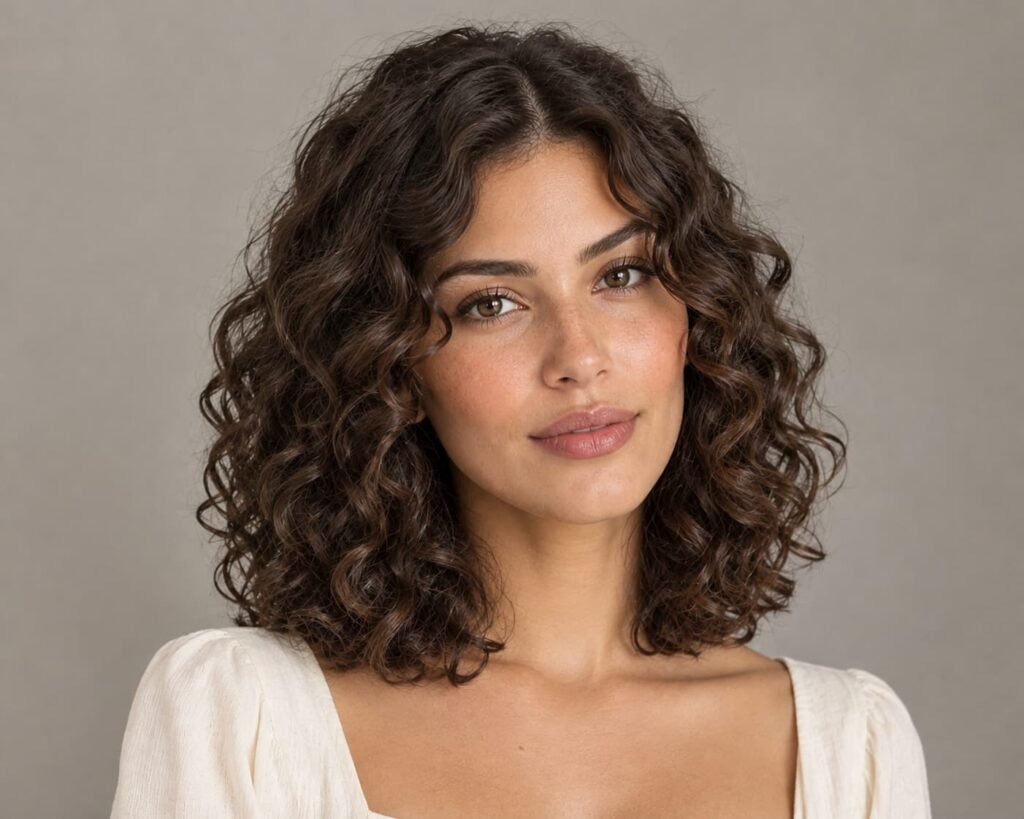
Hair texture and density influence how a clavicut falls and how its shape appears. The same haircut can look sleek on straight hair, fuller on dense hair, or more rounded on curls. These differences are useful to consider when discussing the cut with a hairstylist.
Clavicut for Fine or Thin Hair
A clavicut with a relatively solid outline may be worth considering if you want the ends to appear fuller. Keeping layers minimal can preserve a more uniform perimeter, although the result depends on the hair’s natural density and the chosen cut.
Fine hair refers to the thickness of individual strands, while thin hair generally refers to lower overall hair density. These characteristics are different, and either can influence the appearance of a haircut.
If you prefer a little movement, subtle layers or face-framing pieces may be options. Discuss how much fullness you want to retain before deciding how much hair to layer.
Clavicut for Thick Hair
A clavicut can create a full, substantial shape on thick hair. Depending on its density and natural texture, however, the hair may feel heavy or form a wider outline when cut to one length.
Strategically placed layers may help reduce bulk and create a softer shape. A blunt finish is another option if you prefer a strong, even outline. Neither approach is automatically better; the choice depends on the shape you want and how your hair naturally falls.
When discussing the cut, explain whether you prefer a full silhouette or a lighter, more separated finish. This gives your hairstylist a clearer starting point for deciding on the length and layering.
Clavicut for Straight Hair
Straight hair can make the outline of a clavicut particularly noticeable. A blunt cut emphasizes the bottom edge, while subtle layers or face-framing sections introduce variation.
For a sleek finish, you can wear the hair straight with the ends following their natural line. If you prefer more shape, a blowout or gentle bends at the ends can create a different look.
Consider your usual styling habits when choosing between these options. A simple cut may suit someone who prefers a defined outline, while additional shaping may appeal to someone who enjoys experimenting with different finishes.
Clavicut for Wavy or Curly Hair
Wavy hair gives a clavicut natural texture, while curly hair can create a more rounded silhouette depending on the curl pattern and the cut’s shape. Layers may help define the outline, but their placement should account for how the hair sits when dry.
Curly hair can appear shorter when dry because curls contract into their natural pattern. If you want your hair to finish around the collarbone, discuss the intended dry length with your hairstylist rather than relying only on its length when wet.
For a style that works with your everyday routine, consider how your hair looks when worn in its natural texture. Reference photos of similar hair patterns can help you communicate the shape you prefer.
Clavicut vs. Lob: What’s the Difference?
A clavicut and a lob are closely related haircuts, and their names are sometimes used interchangeably. Both fall within the medium-length hairstyle category, but a clavicut is specifically associated with hair that reaches around the collarbone.
A lob, short for long bob, can sit anywhere between the chin and shoulders or extend toward the collarbone, depending on the cut. This means the two styles can look almost identical when they have a similar length and shape.
The main difference is the emphasis on length. A clavicut describes a collarbone-focused cut, while a lob is a broader term for a longer bob. Both can be blunt, layered, straight, or wavy.
If you are deciding between them, focus on the finished length and outline you want rather than the name alone. Bringing a reference photo to your hairstylist can help clarify the difference.
How to Style a Clavicut Haircut
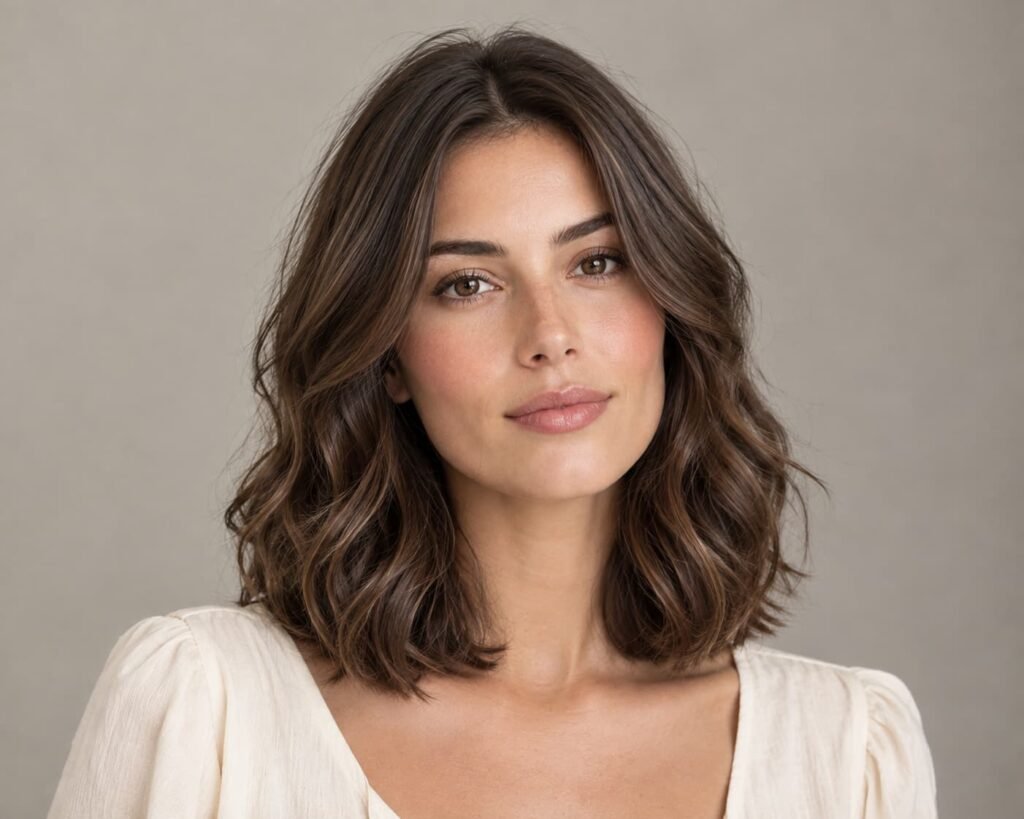
A clavicut can be styled in several ways, from a sleek finish to soft waves or a more natural texture. Your preferred look, hair type, and available styling time can guide your choice.
Sleek and straight: Use a brush and, if desired, a straightening tool to create a smooth finish that emphasizes the haircut’s outline. Follow the tool’s instructions and use an appropriate heat protectant when applying heat.
Soft waves: Create loose bends with a curling iron or another suitable styling method. Alternating the direction of the waves can give the finished style a less uniform appearance.
Natural texture: If your hair is naturally wavy or curly, try working with its existing pattern using styling products suited to your hair. Air-drying may be an option if it gives you the finish you prefer.
Curved ends: Direct the ends slightly inward or outward with a brush while blow-drying for a subtle change in shape.
Half-up style: Gather the upper sections of hair and secure them at the back, leaving the remaining length loose. The result depends on the length of the front sections and any layers.
You do not need to use heat tools every day to wear a clavicut. Choosing a cut that works with your natural texture can make it easier to achieve a finish you like.
What to Consider Before Getting a Clavicut
Before choosing this haircut, think about how you want it to look when styled and when left in its natural texture. A few practical considerations can help you communicate your preferences.
Your preferred length: Decide whether you want the ends to sit above, directly at, or below the collarbone. Your hair may fall differently when dry, especially if it is naturally curly.
Layers or a blunt finish: A blunt outline creates a more defined edge, while layers introduce variation. Consider how much movement you want and whether you prefer to keep the ends looking relatively full.
Bangs and face-framing pieces: Curtain bangs or shorter front sections can change the overall shape. If you do not want to style your fringe regularly, a clavicut without bangs may be a better fit for your routine.
Your natural hair texture: Straight, wavy, and curly hair can produce different silhouettes at the same length. Ask your hairstylist how the cut is likely to fall with your usual styling method.
Your daily routine: Think about how much time you want to spend blow-drying, creating waves, or shaping the front sections. A simpler cut may be more convenient if you prefer minimal styling.
It can help to bring two or three reference photos showing the length and shape you like. Explain which details appeal to you so your hairstylist can adapt the idea to your hair.
Clavicut Haircut Maintenance
How often a clavicut needs trimming depends on how precisely you want to maintain its shape. A blunt outline may become less defined as the hair grows, while a softer, layered version may allow more flexibility between appointments.
Bangs and face-framing pieces can also affect maintenance. Shorter front sections may need reshaping sooner than the rest of the haircut if you want to keep their original length and placement.
Your styling routine is another consideration. If you regularly use a blow-dryer or heated tools, follow the manufacturer’s instructions and use appropriate heat protection. You can also choose air-drying or other lower-heat methods when they suit your hair and preferred finish.
Rather than following one fixed trimming schedule, discuss your desired shape and how quickly you notice changes in the cut with your hairstylist.
Frequently Asked Questions About the Clavicut Haircut
Is a clavicut haircut suitable for every face shape?
A clavicut can be adapted in several ways, but no single haircut is guaranteed to suit everyone. The length, parting, layers, and bangs all affect how the style frames the face. Choose the variation you prefer and discuss how it might work with your features and natural hair texture.
Can you tie a clavicut into a ponytail?
Often, yes, although the result depends on the exact length, layers, and hair texture. Some collarbone-length cuts can be gathered into a low ponytail, while shorter front pieces may fall loose. If tying your hair back is important to you, mention this before the cut.
How often does a clavicut need trimming?
There is no single schedule that works for everyone. A sharply defined blunt cut or shorter bangs may need more frequent shaping than a softer, layered style. Your preferred appearance and how quickly the haircut loses its shape can help determine when to book a trim.
Does a clavicut work without layers?
Yes. A clavicut can be cut with a relatively even perimeter and no prominent layers. This creates a more uniform outline, while layering is an optional way to introduce movement or change the shape. The choice depends on your hair and the finish you want.
Final Thoughts on the Clavicut Haircut
The clavicut is a versatile medium-length haircut defined by its collarbone-focused length. It can have blunt ends, soft layers, curtain bangs, or a natural wavy finish, depending on your preferences.
When choosing your version, consider your hair texture, desired outline, and everyday styling routine. A clear reference photo and a conversation with your hairstylist can help you settle on a length and shape that suits your needs.